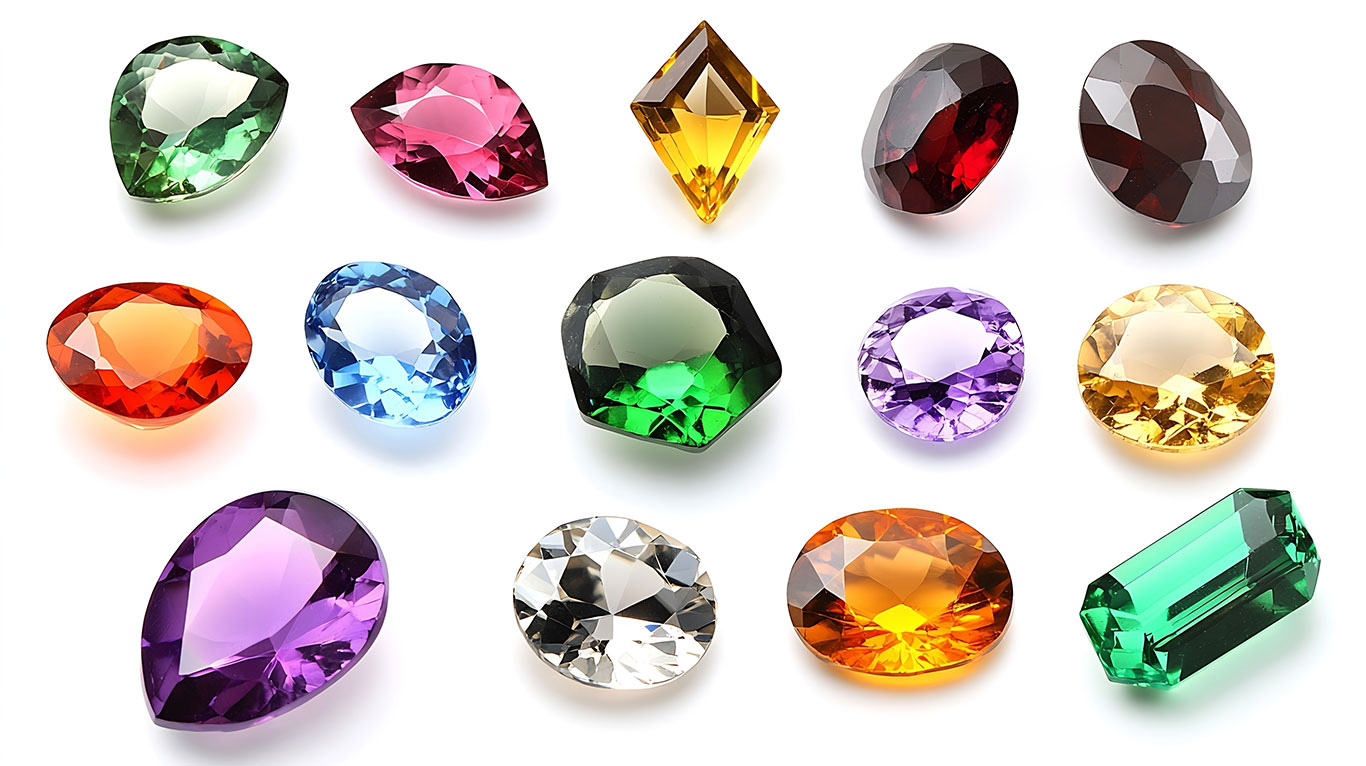
Kunzite
| Property | Details |
|---|
| Mineral | Spodumene |
| Mohs Hardness | 6.5 – 7 |
| Refractive Index | 1.660 – 1.676 |
| Major Sources | Afghanistan, Brazil, Madagascar |
| Treatments | Irradiation to improve color (not always stable) |
Overview
Kunzite is a delicate pink to lilac variety of the mineral spodumene, named after the gemologist George Frederick Kunz who first described it in 1902. Its soft, romantic color ranges from pastel pink to a more saturated pinkish-violet, and the finest specimens display a rich, vivid pink.
Important Considerations
Kunzite has a tendency to fade with prolonged exposure to strong light. For this reason, it is best reserved for evening wear, earrings, and pendants rather than rings that receive constant sun exposure. Kunzite is often found in large crystal sizes, making it an affordable option for dramatic statement jewelry. It ranks 6.5 to 7 on the Mohs scale and has perfect cleavage in two directions, requiring protective settings for rings.
Care & Cleaning
Clean kunzite only with warm soapy water. Avoid ultrasonic and steam cleaners due to the stone's cleavage. Store kunzite away from prolonged direct sunlight to preserve its color. Handle with care to avoid sharp impacts.
Frequently Asked Questions
Does kunzite fade in sunlight?
Yes, kunzite can fade with prolonged exposure to strong light, including direct sunlight and intense artificial light. The pink color in some kunzite specimens is caused by irradiation that can be reversed by UV light and heat. To preserve the color, store kunzite away from windows, avoid leaving it in direct sunlight, and consider reserving kunzite jewelry for evening or indoor wear. Not all kunzite fades at the same rate, but caution is recommended.
Who was George Frederick Kunz?
George Frederick Kunz (1856-1932) was a legendary American gemologist and mineral collector who served as Tiffany & Co.'s chief gemologist for over 50 years. He was instrumental in popularizing many American gemstones and was a prolific author on gem topics. Kunzite was named in his honor after he described the mineral in 1902. He also has another gemstone variety named after him: hiddenite, the green variety of spodumene.
Is kunzite suitable for an engagement ring?
Kunzite can be used in an engagement ring but requires extra care. Its Mohs hardness of 6.5 to 7 makes it softer than sapphire or diamond, and its perfect cleavage in two directions means it can split if struck at certain angles. Additionally, its tendency to fade in strong light is a concern for a ring worn daily. If you choose kunzite for an engagement ring, select a protective bezel setting and be prepared to treat it gently.
Why is kunzite so affordable for its size?
Kunzite crystals naturally form in large sizes, meaning big stones are not particularly rare. This abundance of large rough material keeps per-carat prices moderate even for impressive specimens. Additionally, kunzite's light sensitivity and cleavage concerns reduce demand compared to more durable pink gemstones like morganite and pink sapphire. For those seeking a large, beautiful pink gemstone on a budget, kunzite offers exceptional value.
What colors does kunzite come in?
Kunzite ranges from a very pale, almost colorless pink through pastel pink and lavender to a vivid, saturated pinkish-violet. The most valued kunzite displays a rich, intense pink or pink-violet color. Lighter stones are more common and affordable. The color is caused by manganese in the spodumene crystal structure. Kunzite also displays pleochroism, showing different intensities of pink from different viewing angles.
Specialty & Collector Gemstones