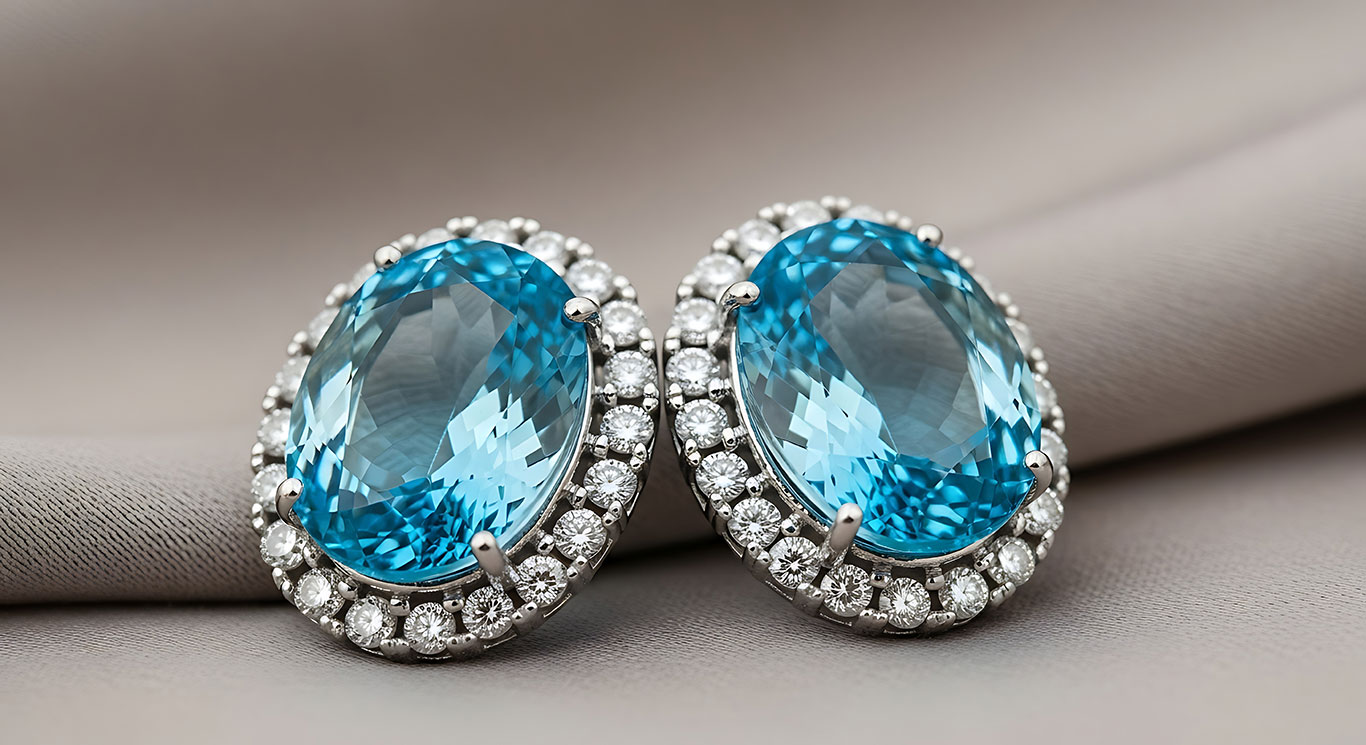
Aquamarine, the birthstone for March, evokes the clear blue waters of the sea with its cool, tranquil color. The name is derived from the Latin words aqua, meaning water, and marina, meaning the sea. This member of the beryl family, which also includes emerald, was believed to protect sailors and guarantee a safe voyage across stormy seas. With its serene blue tones and excellent durability, aquamarine remains one of the most popular gemstones for fine jewelry.
History and Origin
Ancient mariners treasured aquamarine as a talisman of good luck, fearlessness, and protection. Roman fishermen called it the treasure of mermaids and used it to protect them on the open water. The gemstone was also used in ancient Greek and Roman jewelry dating back to around 500 B.C. In medieval times, aquamarine was thought to reawaken the love of married couples and was often given as an anniversary gift. The largest gem-quality aquamarine ever found was discovered in Marambaia, Brazil, in 1910, weighing 243 pounds.
During the Age of Exploration, sailors kept aquamarine aboard their ships to calm waves and ensure safe passage. The gemstone was also associated with prophecy and was believed to make the wearer unconquerable while also bestowing intelligence and courage. In the early 20th century, aquamarine became a favorite of Art Deco jewelers, who prized its clean, cool color and excellent clarity for geometric designs. The gem continues to be one of the most sought-after colored stones for modern jewelry.
Symbolism and Meaning
The serene color of aquamarine is said to cool the temper, allowing the wearer to remain calm and levelheaded. The gemstone is traditionally associated with courage, clarity, and communication. It is believed to soothe fears and increase sensitivity, making it a popular choice for meditation and spiritual practices. As a gift, aquamarine symbolizes faithfulness and friendship.
Aquamarine is also the traditional gemstone for the 19th wedding anniversary, representing the endurance and clarity of a long partnership. Its association with water and the ocean makes it a meaningful gift for anyone who loves the sea or coastal living. The stone is thought to promote harmony in relationships and encourage honest, open communication between partners.
Colors and Varieties
Aquamarine ranges in color from pale, almost transparent blue to a richly saturated blue or blue-green. The most valued shade is a deep blue with no green tint, sometimes referred to as Santa Maria aquamarine after the famous mines in Brazil. The color is usually more intense in larger stones, making aquamarine an excellent choice for statement jewelry pieces. Heat treatment is commonly used to remove greenish tints and produce a purer blue color, and this treatment is permanent and widely accepted in the gem trade.
Maxixe aquamarine, a deeply saturated dark blue variety, is occasionally encountered but tends to fade with light exposure and is not considered stable for jewelry. Cat's eye aquamarine and star aquamarine are rare collector varieties that display chatoyancy or asterism caused by needle-like inclusions. For most jewelry buyers, a clean, medium-blue aquamarine with good transparency represents the ideal balance of beauty and value.
Durability and Care
Ranking 7.5 to 8 on the Mohs hardness scale, aquamarine is an excellent gemstone for everyday wear. It is tough and resistant to scratching, making it ideal for rings, earrings, and necklaces. Aquamarine can be safely cleaned with warm soapy water or in an ultrasonic cleaner. Its pale, cool color beautifully complements both spring and summer wardrobes. For more gemstone care advice, see our jewelry care guide.
This gemstone is mined mainly in Brazil, but is also found in Pakistan, Nigeria, Madagascar, Zambia, and Mozambique. Whether chosen for its calming beauty or its rich maritime heritage, aquamarine makes a meaningful gift for anyone born in March.
Shopping Tips
When selecting aquamarine, color is the primary value driver. Look for a medium blue with strong saturation and minimal green tints. Larger stones tend to display deeper, more desirable color, so consider choosing a slightly larger carat weight for the most visually striking result. Aquamarine is typically very clean, so expect eye-clean stones with excellent transparency. Any visible inclusions significantly reduce the stone's value.
Aquamarine pairs beautifully with white gold and platinum settings, which complement its cool blue tones, though it can also look stunning in yellow gold for a more distinctive style. This stone is an exceptional choice for gemstone rings, earrings, and pendants. Because aquamarine is considerably less expensive per carat than sapphire or emerald, it is an excellent option for buyers who want a large, impressive stone with beautiful blue color at an accessible price point.
Frequently Asked Questions
What color aquamarine is most valuable?
The most valuable aquamarines display a deep, saturated blue with minimal green tints, often called Santa Maria blue after the famous Brazilian mines. Medium-dark tones with excellent transparency command the highest prices. Very pale stones are more common and priced more affordably.
Is aquamarine the same as blue topaz?
No, aquamarine and blue topaz are completely different minerals. Aquamarine belongs to the beryl family and typically displays a softer, more pastel blue. Blue topaz is usually irradiated and heat-treated to achieve its vivid color. Aquamarine is generally more valuable due to its natural color and greater rarity.
Can aquamarine be worn daily?
Yes. With a hardness of 7.5 to 8 on the Mohs scale, aquamarine is very durable and well-suited for daily wear in rings, earrings, and pendants. It resists scratching well and does not require any special precautions beyond standard gemstone care.
What is Santa Maria aquamarine?
Santa Maria aquamarine refers to deeply saturated, vivid blue aquamarine originally from the Santa Maria de Itabira mine in Brazil. The term is now used broadly to describe any aquamarine with this prized deep blue color, regardless of origin. These stones command a significant premium over paler material.
How is aquamarine treated?
The most common treatment for aquamarine is gentle heat treatment to remove greenish or yellowish tints, producing a purer blue color. This treatment is permanent, stable, and universally accepted in the gem trade. Most aquamarines on the market have been heat-treated, and the treatment does not affect the stone's durability or value.
Explore Other Birthstones