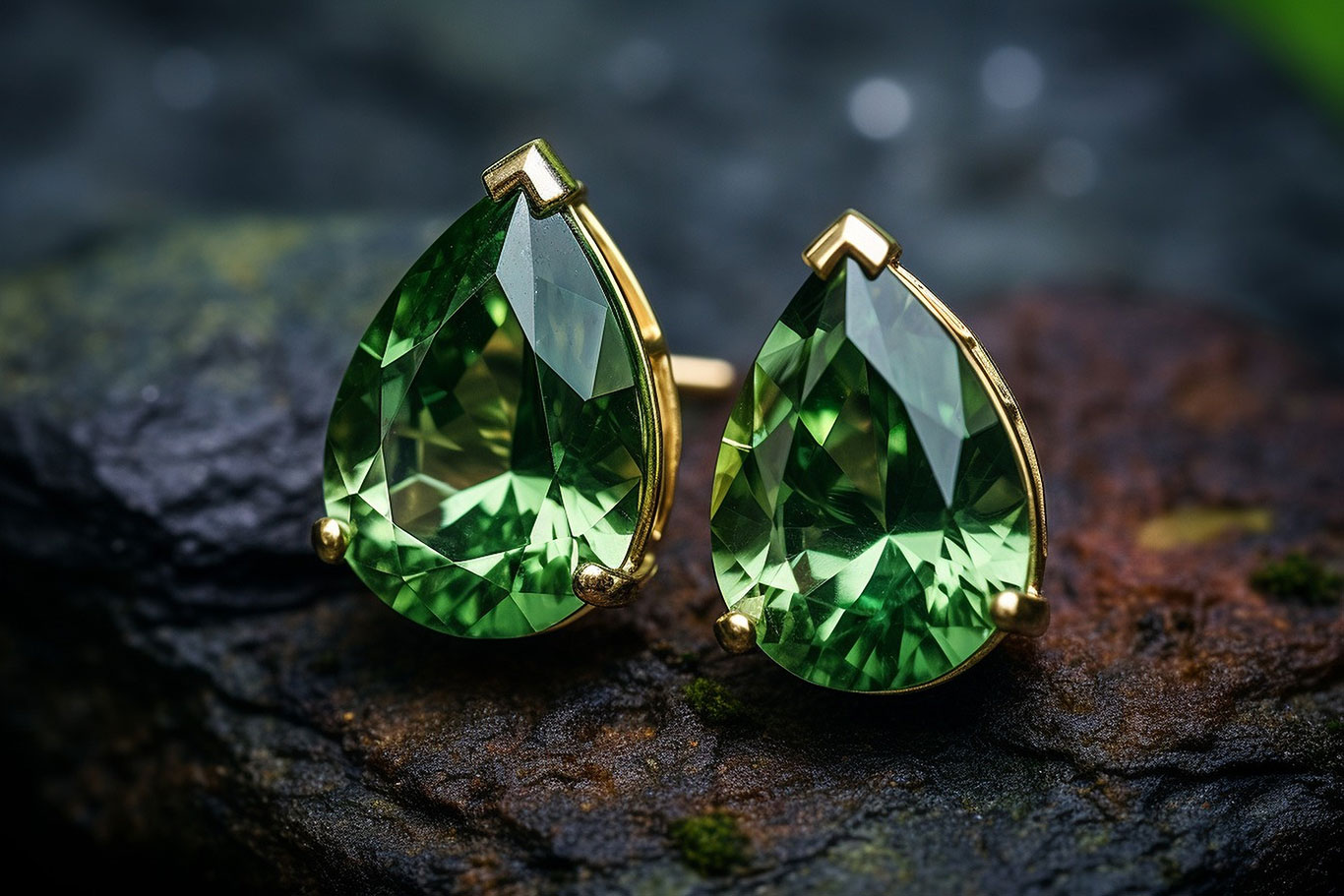
Emerald, the birthstone for May, is a symbol of rebirth, love, and good fortune. This precious green gemstone belongs to the beryl mineral family and has been treasured by civilizations for over 4,000 years. Derived from the Greek word smaragdus, meaning green, emerald is one of the four recognized precious gemstones alongside diamond, ruby, and sapphire. Its lush green color evokes spring, renewal, and the natural world.
History and Origin
Emeralds were mined in Egypt as early as 330 B.C., and Cleopatra was famously passionate about emeralds, using them in her royal adornments. The ancient Egyptians associated emeralds with fertility and rebirth, and they were often buried with mummies as symbols of eternal youth. When Spanish explorers arrived in South America in the 16th century, they discovered that the Incas and Aztecs had been using emeralds in their jewelry and religious ceremonies for centuries. The spectacular emerald mines of Colombia, particularly Muzo and Chivor, have produced some of the finest emeralds for over 500 years.
In the ancient world, emerald was associated with the goddess Venus and was believed to grant its wearer the power of foresight. Pliny the Elder described emerald as the most pleasant of all gemstones to behold, noting that the color green was the most soothing to the eye. The Mogul emperors of India engraved emeralds with sacred texts and wore them as talismans. Today, Colombia, Zambia, Brazil, and Afghanistan remain the world's premier sources of fine emerald.
Symbolism and Meaning
Emerald has long been associated with wisdom, growth, and patience. Ancient Romans dedicated emerald to Venus, the goddess of love and beauty. In many cultures, emerald is believed to grant the owner foresight and the ability to see the truth. The rich green color symbolizes spring, renewal, and the promise of new beginnings, making it a perfect birthstone for the month of May.
Emerald is the traditional gemstone for the 20th and 35th wedding anniversaries, underscoring its association with enduring love and growth. In folklore, emerald was thought to cure diseases of the eye and to bestow eloquence in speech. It remains one of the most emotionally resonant gemstones, valued not only for its beauty but for the deep symbolism it carries.
Colors and Varieties
The most desirable emerald color is a vivid, slightly bluish green with medium to medium-dark tone and strong saturation. Colombian emeralds are renowned for their warm, pure green hue, while Zambian emeralds often display a cooler, slightly bluish-green color with excellent clarity. Unlike most gemstones, inclusions in emeralds are expected and even embraced. Known as the jardin, French for garden, these internal characteristics are like a fingerprint that makes each emerald unique. Because of their natural inclusions, most emeralds are treated with oil or resin to improve clarity, a widely accepted practice in the gem trade.
Trapiche emeralds, found almost exclusively in Colombia, display a unique six-spoke star pattern caused by carbon inclusions. These collector's pieces are among the rarest and most fascinating emerald varieties. Understanding the role of inclusions and treatments is essential when evaluating emerald quality.
Durability and Care
Emerald ranks 7.5 to 8 on the Mohs hardness scale, but its natural inclusions can make it more susceptible to chipping than other gems of similar hardness. Emerald jewelry should be treated with care and protected from sharp impacts. The safest way to clean an emerald is with warm soapy water and a soft cloth. Ultrasonic and steam cleaners should be avoided, as they can damage the stone or remove the oils used to enhance its clarity. For full guidance, visit our jewelry care guide.
Today, most of the world's finest emeralds come from Colombia, Brazil, Afghanistan, and Zambia. An emerald is a timeless and meaningful May birthday gift that represents love, renewal, and prosperity.
Shopping Tips
When shopping for emerald, understand that inclusions are a natural and accepted characteristic of this gem. A completely clean emerald is exceedingly rare and commands astronomical prices. Focus instead on color: the most valuable emeralds display a vivid, saturated green without being too dark or too light. Eye-clean emeralds with minor garden inclusions offer the best balance of beauty and value.
Ask about treatments. Nearly all emeralds on the market have been oiled or resin-treated to improve clarity, which is a standard and accepted practice. Emerald is best set in protective styles such as bezel settings or surrounded by a diamond halo, which help shield the stone from everyday bumps. Browse our collection of gemstone rings, earrings, and pendants to find the perfect emerald piece for a May birthday or special occasion.
Frequently Asked Questions
Why do emeralds have inclusions?
Emeralds form under extreme geological conditions that make inclusions virtually inevitable. These internal features, called jardin (French for garden), are a natural hallmark of genuine emerald and can even help gemologists confirm a stone's authenticity and origin. A completely inclusion-free emerald is exceedingly rare and commands very high prices.
Are Colombian emeralds the best?
Colombian emeralds are traditionally considered the finest due to their warm, pure green color and legendary mining history. However, Zambian emeralds often rival Colombian stones in quality, offering a slightly bluish-green hue with excellent clarity. The best emerald is ultimately the one with the most beautiful color and transparency, regardless of origin.
Can emeralds be worn daily?
Emeralds can be worn daily with appropriate care. At 7.5 to 8 on the Mohs scale, they are reasonably hard, but their natural inclusions make them more vulnerable to chipping than sapphire or diamond. Choose a protective setting style, remove emerald rings during heavy manual work, and avoid exposing the stone to harsh chemicals or extreme temperature changes.
What is emerald oil treatment?
Oil treatment is the most common enhancement for emeralds, in which colorless oil or resin is applied to fill surface-reaching fractures and improve the stone's apparent clarity. Cedar oil is the traditional medium, though synthetic resins are also used. This treatment is universally accepted in the gem trade and has been practiced for centuries.
What is the difference between emerald and green sapphire?
Emerald and green sapphire are completely different minerals. Emerald is a variety of beryl colored by chromium and vanadium, while green sapphire is a variety of corundum colored by iron. Emerald typically displays a warmer, more saturated green, while green sapphire tends toward a cooler, slightly grayish green. Sapphire is harder and more durable than emerald.
Explore Other Birthstones