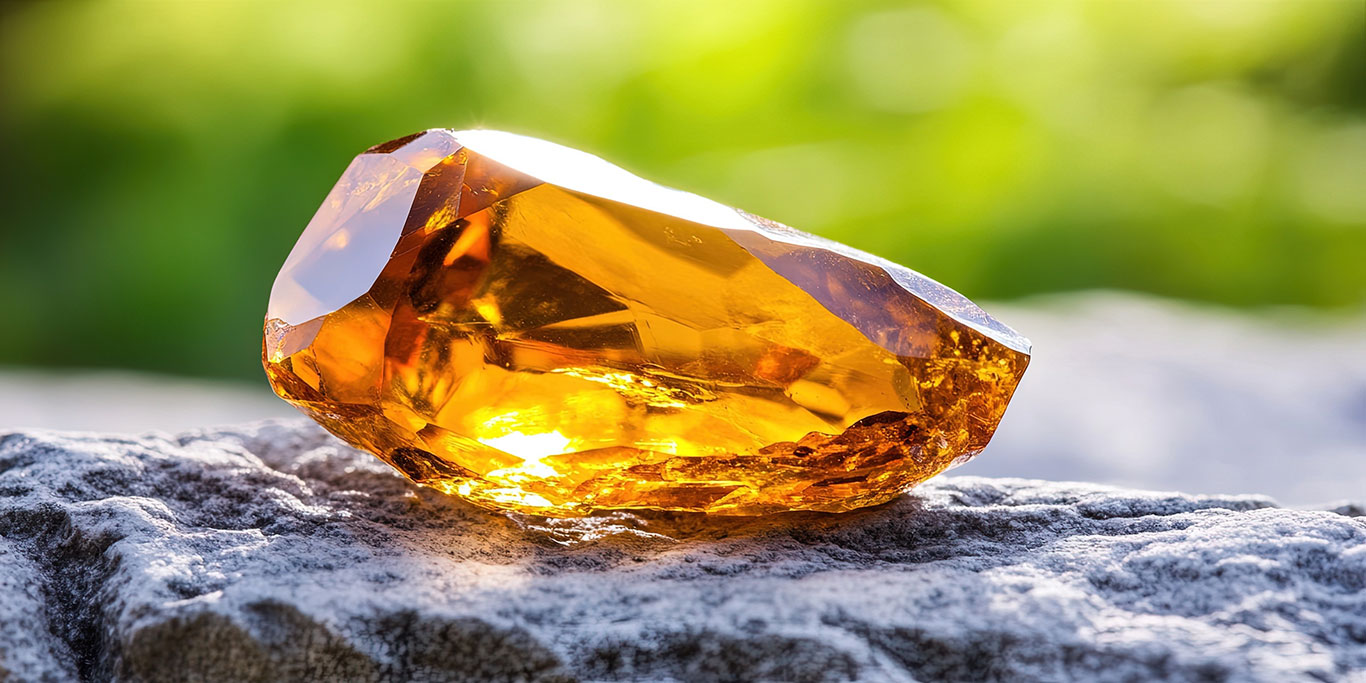
Citrine, the birthstone for November, is a warm and radiant gemstone known as the healing quartz and the merchant's stone. This golden member of the quartz family is said to support vitality and health while encouraging hope, energy, and warmth within the wearer. Its sunny color makes it a perfect complement to the autumn season and a cheerful gem for those born in November.
History and Origin
The name citrine comes from the French word citron, meaning lemon. While the gemstone has been used as a decorative stone since ancient times, it was most popular during the Art Deco era of the 1920s and 1930s, when Hollywood stars wore elaborate citrine jewelry. Ancient Greek merchants carried citrine as a talisman believed to attract wealth and prosperity, which earned it the nickname merchant's stone. Scottish warriors and Celtic peoples used citrine to adorn the handles of daggers and swords, believing it provided protection and strength.
In the ancient world, citrine was often confused with topaz, and the two yellow-orange gemstones were frequently traded under each other's names. Modern gemology has established clear distinctions between the two minerals. Today, citrine is primarily sourced from Brazil, with additional deposits in Bolivia, Spain, Madagascar, and the United States. The gemstone experienced a major resurgence in popularity during the Art Deco period and remains a favorite among jewelry designers for its warm, versatile color.
Symbolism and Meaning
Citrine has been associated with positivity, abundance, and success throughout history. It is believed to carry the power of the sun, promoting energy, creativity, and clear thinking. Many people keep citrine in their cash registers, wallets, or places of business, believing it attracts prosperity and success. In crystal healing traditions, citrine is thought to cleanse negative energy and promote emotional balance. As a November birthstone, citrine symbolizes joy and optimism.
Citrine is the traditional gemstone for the 13th wedding anniversary. Its warm, golden color has made it a symbol of generosity, joy, and open-heartedness. The stone is thought to encourage self-expression and individuality, making it a meaningful gift for creative individuals. Paired with its sister stone amethyst, citrine represents the full spectrum of the quartz family's beauty.
Colors and Varieties
Citrine ranges in color from a pale, transparent yellow to a deep, brownish orange. The most popular shades are a vivid, saturated yellow and a deep, reddish-orange known as Madeira citrine, named after the color of the Portuguese wine. Natural citrine is actually quite rare and is typically a pale yellow color. Most commercial citrine on the market today is produced by heat-treating amethyst or smoky quartz, which transforms the purple or gray color into warm golden tones. Both natural and heat-treated citrine are equally durable and beautiful, and heat treatment is a permanent, widely accepted practice.
Palmeira citrine offers a vivid orange tone, while lemon citrine displays a bright, pure yellow. Ametrine, the bicolor combination of amethyst and citrine, is a collector's favorite that showcases both purple and golden zones in a single crystal. The wide range of warm tones means citrine can complement virtually any skin tone and metal color.
Durability and Care
As a variety of quartz, citrine ranks 7 on the Mohs hardness scale, making it durable enough for everyday jewelry including rings, pendants, and bracelets. It can be safely cleaned with warm soapy water and a soft brush. Ultrasonic cleaners are generally safe for citrine. However, prolonged exposure to intense heat or direct sunlight should be avoided, as it can alter the stone's color. For detailed care guidance, see our jewelry care guide.
Citrine is found most frequently in Brazil and Bolivia, with other sources including Spain, Madagascar, and the United States. As one of the most affordable and versatile colored gemstones, citrine makes a cheerful and meaningful November birthday gift that brings warmth and brightness to any jewelry collection.
Shopping Tips
When shopping for citrine, choose a color that appeals to your personal taste. Vivid, saturated golden yellow and rich Madeira orange are the most sought-after shades, while pale lemon tones offer a lighter, more delicate look. Because natural citrine is quite rare, most citrine on the market is heat-treated amethyst, which produces equally beautiful and stable color. There is no practical difference in quality between natural and heat-treated citrine.
Citrine is one of the most affordable colored gemstones, making it possible to own a large, impressive stone without a significant investment. This makes citrine ideal for statement cocktail rings, dramatic pendants, and bold earrings. Citrine pairs beautifully with yellow gold for a cohesive warm look, or with white gold and sterling silver for a striking contrast. Look for eye-clean stones with good transparency and even color distribution throughout the gem.
Frequently Asked Questions
Is most citrine heat-treated?
Yes. Natural citrine is quite rare and typically pale yellow. Most citrine available today is produced by heat-treating amethyst or smoky quartz, which permanently transforms the color to golden yellow or orange tones. This treatment is universally accepted in the gem trade, is completely permanent, and does not affect the stone's durability or beauty.
What is the difference between citrine and topaz?
Citrine and topaz are completely different minerals that are sometimes confused because of their similar golden-yellow colors. Citrine is a variety of quartz (hardness 7), while topaz is a fluorine aluminum silicate (hardness 8). Topaz tends to be slightly harder and denser. The two stones have different optical properties and crystal structures, and they are priced differently in the market.
What color citrine is most valuable?
The most valuable citrine displays a rich, saturated reddish-orange color known as Madeira citrine, named after the famous Portuguese wine. Vivid golden yellow citrine is also highly prized. Very pale or very dark brownish stones are generally less desirable. Color should be evenly distributed throughout the stone with good transparency.
What is Madeira citrine?
Madeira citrine refers to citrine with a deep, saturated reddish-orange to orange-brown color, named after the color of Madeira wine from Portugal. This is the most prized and valuable shade of citrine. Madeira citrine has a warm, rich appearance that looks especially beautiful in yellow gold and rose gold settings.
Can citrine fade in sunlight?
Prolonged exposure to intense, direct sunlight or extreme heat can potentially cause citrine to lose some of its color saturation over time. This is more of a concern with heat-treated specimens. To protect your citrine jewelry, avoid leaving it in direct sunlight for extended periods and store it in a jewelry box when not being worn. Normal indoor wear and occasional outdoor wear will not cause fading.
Explore Other Birthstones