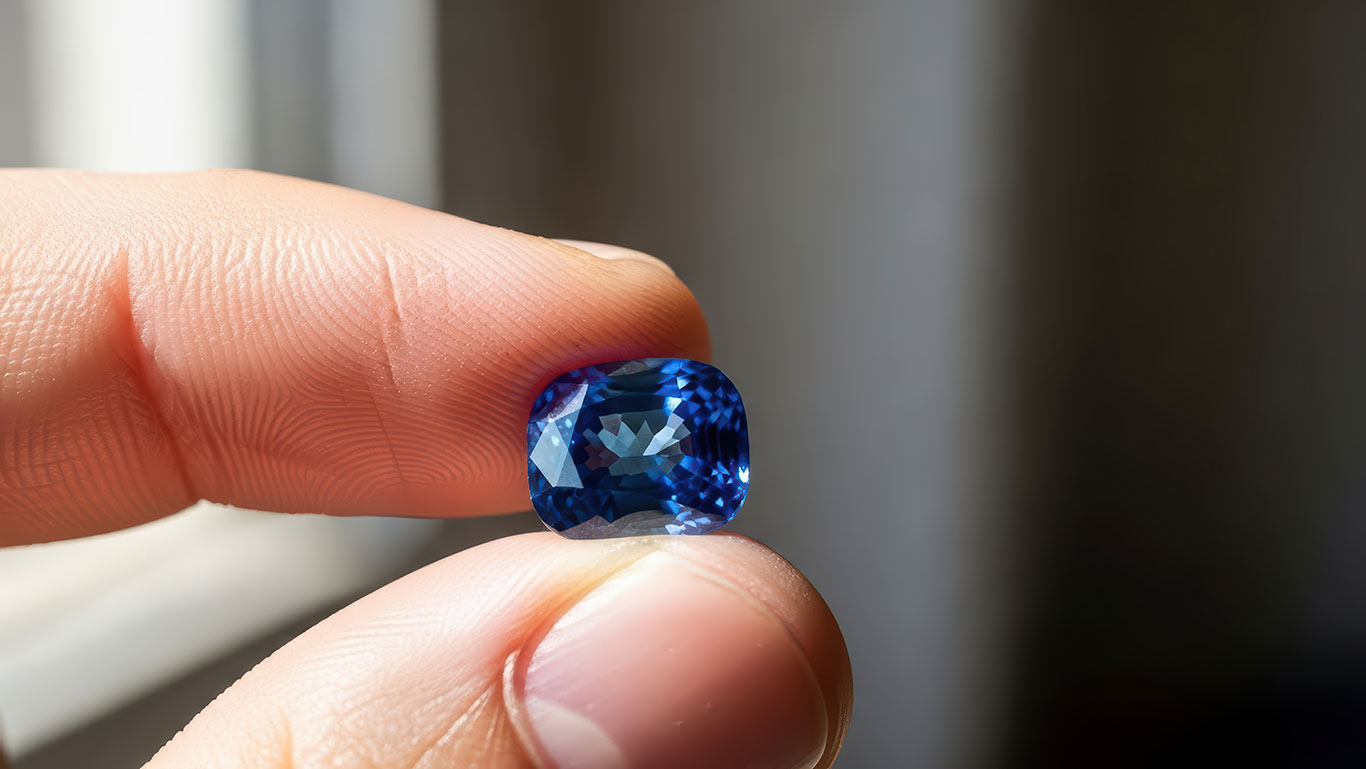
Sapphire and diamond are two of the most popular gemstones in fine jewelry, and both are excellent choices for engagement rings and heirloom pieces. But they differ significantly in origin, appearance, price, and optical behavior. If you are weighing sapphire against diamond for your next piece of jewelry, this guide will help you understand the real differences and make a confident decision.
Sapphire has been treasured for thousands of years, most famously as the stone in Princess Diana's engagement ring, now worn by Catherine, Princess of Wales. Diamond, of course, has been the traditional engagement ring stone for over a century. Both are precious gemstones with outstanding durability, but they offer very different aesthetics and value propositions.
What Is Sapphire?
Sapphire is the blue variety of the mineral corundum (aluminum oxide), though it also occurs in pink, yellow, green, orange, and many other colors. The only color of corundum that is not called sapphire is red, which is classified as ruby. Blue sapphires get their color from traces of iron and titanium within the crystal structure.
Natural sapphires form deep within the Earth over millions of years. Major sources include Sri Lanka (Ceylon), Myanmar, Kashmir, Madagascar, and Montana. The most prized sapphires, Kashmir sapphires, display a legendary cornflower blue with a velvety softness caused by microscopic inclusions. Today, Sri Lanka and Madagascar produce the majority of gem-quality sapphires reaching the market.
Sapphires are also produced in laboratories, but lab-grown sapphires have not reached the same mainstream popularity as lab-grown diamonds. Most sapphire jewelry features natural stones, frequently enhanced with standard heat treatment to optimize color and clarity.
Side-by-Side Comparison
| Property |
Diamond |
Sapphire |
| Composition | Pure carbon (C) | Aluminum oxide (Al₂O₃) / Corundum |
| Hardness (Mohs) | 10 | 9 |
| Refractive Index | 2.42 | 1.762 – 1.770 |
| Fire (Dispersion) | 0.044 | 0.018 |
| Color Range | Colorless to light yellow/brown | Blue, pink, yellow, green, orange, purple |
| Price (1ct) | $5,000 – $8,000 (natural) | $800 – $5,000 |
| Birthstone | April | September |
| Resale Value | Moderate to good (natural); Limited (lab) | Moderate to good |
| Common Treatments | Laser drilling, fracture filling (uncommon) | Heat treatment (standard) |
| Best For | Engagement rings, all jewelry, heirloom | Engagement rings, everyday jewelry |
Color Comparison
This is where sapphire and diamond diverge most dramatically. Sapphires are prized precisely for their vivid body color, while diamonds are traditionally valued for being colorless. A fine blue sapphire displays a rich, saturated blue that is unlike anything a white diamond can offer. The most desirable shade is a medium-dark, vivid blue with no grayish or greenish overtones.
Beyond blue, sapphires come in virtually every color of the spectrum. Pink sapphires offer a romantic alternative, yellow sapphires bring sunny warmth, and the extraordinarily rare padparadscha sapphire shows a delicate pink-orange hue. This rainbow of options gives sapphire a versatility that colorless diamonds simply cannot match.
Fancy-colored diamonds do exist in blue, pink, yellow, and other hues, but they are exponentially rarer and more expensive than colored sapphires. A 1-carat vivid blue diamond can cost millions, while a comparable blue sapphire costs a few thousand dollars. If you want vibrant color in your jewelry, sapphire offers dramatically better value.
Hardness and Durability
Sapphire scores 9 on the Mohs hardness scale, making it the second hardest natural gemstone after diamond (10). In practical terms, this means sapphire is extremely resistant to scratching and is one of the most durable gemstones you can wear daily. Only diamond and moissanite can scratch a sapphire.
Sapphire also has excellent toughness, meaning it resists chipping and breaking during normal wear. It has no cleavage planes that would make it vulnerable to splitting. This combination of hardness and toughness makes sapphire one of the top gemstones recommended for engagement rings that will be worn every day for decades.
Diamond is harder, but the difference is rarely relevant in daily wear. Both stones will maintain their polish and brilliance for a lifetime. The practical durability gap between sapphire (9) and diamond (10) is far smaller than the gap between sapphire and softer gemstones like emerald (7.5–8) or opal (5.5–6.5).
Price Comparison
| Size |
Sapphire |
Natural Diamond |
Lab Diamond |
| 0.5 ct | $200 – $1,000 | $1,500 – $3,000 | $400 – $700 |
| 1.0 ct | $800 – $5,000 | $5,000 – $8,000 | $800 – $1,500 |
| 1.5 ct | $2,000 – $10,000 | $8,000 – $15,000 | $1,200 – $2,500 |
| 2.0 ct | $4,000 – $20,000 | $15,000 – $30,000 | $2,000 – $4,000 |
Prices are approximate for good to fine quality stones. Diamond prices assume VS2 clarity, G color, Excellent cut.
Sapphire offers significant savings compared to diamond, especially at larger carat sizes. A fine 1-carat blue sapphire typically costs $800 to $5,000 depending on color quality and origin, while a comparable 1-carat natural diamond runs $5,000 to $8,000. At 2 carats, the savings become even more dramatic.
Origin plays a major role in sapphire pricing. Kashmir sapphires command extraordinary premiums due to their rarity and legendary status, sometimes exceeding $100,000 per carat at auction. Sri Lankan and Madagascar sapphires offer excellent color at more accessible prices. Heated sapphires cost less than unheated stones of comparable quality, with unheated commanding a 20–50% premium.
Lab-grown diamonds have narrowed the price gap considerably. At $800–$1,500 per carat, lab diamonds compete directly with mid-range sapphires on price. However, if you want a colored stone, sapphire remains the clear winner in terms of per-carat value for vivid, saturated color.
Brilliance and Sparkle
Diamond and sapphire sparkle in fundamentally different ways. Diamond has a refractive index of 2.42 and high dispersion (0.044), producing the classic white brilliance with flashes of rainbow fire that diamonds are famous for. Sapphire has a lower refractive index (1.762–1.770) and much lower dispersion (0.018), resulting in a softer, more subtle sparkle.
Sapphire's beauty comes not from fiery brilliance but from its rich, saturated body color and a silky luster that is deeply appealing. A well-cut sapphire has a luminous glow from within, especially the finest Kashmir stones with their characteristic "velvety" appearance. This is a completely different aesthetic from diamond's white flash.
Neither type of sparkle is objectively better. If you love the icy fire and scintillation of a diamond, sapphire will feel subdued in comparison. If you are drawn to deep, rich color and elegant luster, sapphire delivers something diamond cannot. Many jewelry lovers appreciate both and choose based on the specific piece and occasion.
When to Choose Sapphire Over Diamond
Sapphire may be the better choice if any of the following resonate with you:
- You want vivid color as the centerpiece of your jewelry rather than colorless brilliance
- You love the look of Princess Diana's iconic blue sapphire engagement ring
- You want a larger stone for your budget without sacrificing quality or durability
- You appreciate the history and romance of one of the world's precious gemstones
- You prefer a unique, distinctive look over the traditional diamond aesthetic
- You want something meaningful for a September birthday or 5th/45th anniversary
When to Choose Diamond Over Sapphire
Diamond may be the better choice if any of the following are important to you:
- You want the classic, universally recognized symbol of engagement and commitment
- Standardized grading (GIA, IGI) and certification matter to you for confidence in your purchase
- Maximum brilliance, fire, and scintillation are your top visual priorities
- Long-term resale value and heirloom potential are important considerations
- You prefer a colorless or near-colorless stone that pairs with any metal or style
- You want access to the design-your-own experience with certified diamonds
Can You Use Sapphire in an Engagement Ring?
Absolutely. Sapphire is one of the best gemstones for engagement rings, second only to diamond in hardness at 9 on the Mohs scale. It will withstand decades of daily wear without scratching, clouding, or losing its beauty. The royal connection through Princess Diana's ring has made sapphire engagement rings not just acceptable but fashionable and coveted.
One consideration is that sapphire does not have the same standardized grading system as diamonds. While GIA and other labs do grade sapphires, the grading is less standardized and less universally applied. This means you should buy from a reputable jeweler who can provide accurate information about origin, treatment, and quality. Browse our gemstone ring collection to see sapphire engagement ring options.
Many couples choose sapphire engagement rings specifically because they want something different from the traditional diamond. A vivid blue sapphire makes a bold, personal statement that stands out from the crowd while still offering the durability needed for lifelong wear.
Our Recommendation
Both sapphire and diamond are exceptional gemstones with long histories and outstanding durability. If you want vivid color, a distinctive look, and excellent value, sapphire is hard to beat. If you want maximum brilliance, universal recognition, and standardized grading, diamond is the classic choice.
For engagement rings, either stone will serve you beautifully for a lifetime. Consider what matters most to you: color or brilliance, tradition or individuality, and how your budget aligns with the size and quality you desire. At USA Jewels, we carry both sapphire rings and diamond engagement rings to help you find the perfect piece.
Frequently Asked Questions
Is sapphire a good alternative to diamond?
Yes. Sapphire is one of the best diamond alternatives available. It scores 9 on the Mohs hardness scale (diamond is 10), making it extremely durable for daily wear including engagement rings. Sapphire offers vivid color options that diamonds cannot match at comparable prices. It is a precious gemstone with thousands of years of history and cultural significance. Many people choose sapphire not as a substitute for diamond but as a deliberate choice for its unique beauty.
How does sapphire compare to diamond in durability?
Sapphire is the second hardest natural gemstone after diamond, scoring 9 on the Mohs hardness scale compared to diamond's 10. In practical daily wear, both stones are extremely scratch-resistant. Sapphire also has excellent toughness with no cleavage issues, meaning it resists chipping and breaking. The durability difference between sapphire and diamond is minimal for jewelry purposes, and both will last a lifetime without visible wear.
Can I use sapphire for an engagement ring?
Absolutely. Sapphire is one of the top gemstones recommended for engagement rings due to its exceptional hardness (9 Mohs) and toughness. Princess Diana's iconic blue sapphire engagement ring, now worn by Catherine, Princess of Wales, demonstrated that sapphire engagement rings are both beautiful and practical. Sapphire will withstand decades of daily wear without scratching or losing its beauty.
Is sapphire worth the investment?
Fine sapphires, particularly those from Kashmir, Myanmar, and Sri Lanka with exceptional color and no treatment, can hold and even increase in value over time. However, most sapphires should be considered a purchase for enjoyment rather than a financial investment. Sapphire offers significantly better value per carat than diamond for vivid colored stones, meaning you get more visual impact for your budget.
How can I tell sapphire from diamond?
Sapphire and diamond look completely different to the eye. Sapphires display rich body color (typically blue), while diamonds are traditionally colorless with white brilliance and rainbow fire. Under magnification, sapphires often show characteristic inclusions like silk (fine rutile needles), color zoning, and growth patterns that differ from diamond inclusions. A standard diamond tester will easily distinguish the two, as will any gemological examination.
Does sapphire hold its value compared to diamond?
Natural diamonds typically retain 30–50% of their retail value on the resale market. Fine sapphires, especially unheated stones with excellent color from prestigious origins, can hold value well and sometimes appreciate. However, the resale market for sapphires is less liquid and standardized than for diamonds. For most consumers, both stones should be valued primarily for their beauty and personal significance rather than as investments.
Gemstone vs Diamond Comparisons