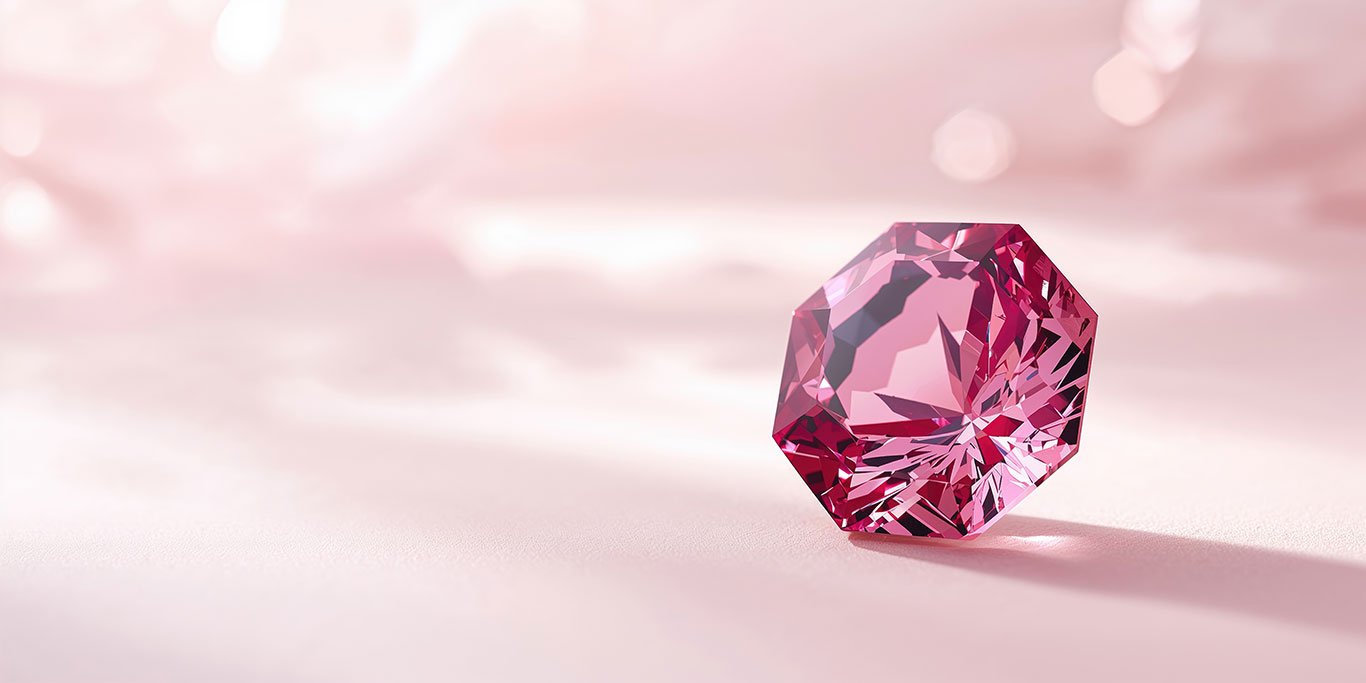
Spinel
| Property | Details |
|---|
| Mineral | Spinel |
| Mohs Hardness | 8 |
| Refractive Index | 1.712 – 1.762 |
| Birthstone | August (alternative) |
| Major Sources | Myanmar, Sri Lanka, Tanzania, Vietnam, Tajikistan |
| Treatments | Rarely treated (a key selling point) |
Overview
Spinel is one of the most underappreciated gemstones in the jewelry world, despite a long history of being mistaken for ruby and sapphire. The famous Black Prince's Ruby in the British Crown Jewels is actually a red spinel. The Timur Ruby, a 352-carat stone owned by Queen Elizabeth II, is also spinel. Spinel comes in a stunning range of colors, including vivid red, hot pink, cobalt blue, lavender, and orange.
Why Collectors Love Spinel
Unlike most gemstones, fine spinel is rarely treated—the color you see is typically entirely natural. This appeals enormously to gem purists and collectors who value untreated natural gems. Red and cobalt blue spinels are the most valuable and can rival fine rubies and sapphires in beauty and price. Spinel also has excellent durability at 8 on the Mohs scale, has no cleavage, and is tough enough for any type of jewelry.
Color Varieties
Red spinel: Vivid red, sometimes called balas ruby. The finest rival pigeon blood rubies. Cobalt blue spinel: An electric, vivid blue caused by cobalt. Extremely rare and valuable. Pink spinel: Hot pink to pastel pink, very popular and more affordable. Lavender spinel: Soft purple to violet. Flame spinel: Vivid orange from Tanzania. Gahnite: Blue-to-green zinc spinel.
Care & Cleaning
Spinel ranks 8 on the Mohs scale, making it very durable for rings and everyday jewelry. It can be cleaned safely with warm soapy water, ultrasonic cleaners, or steam cleaners. An excellent and still undervalued alternative to ruby and sapphire.