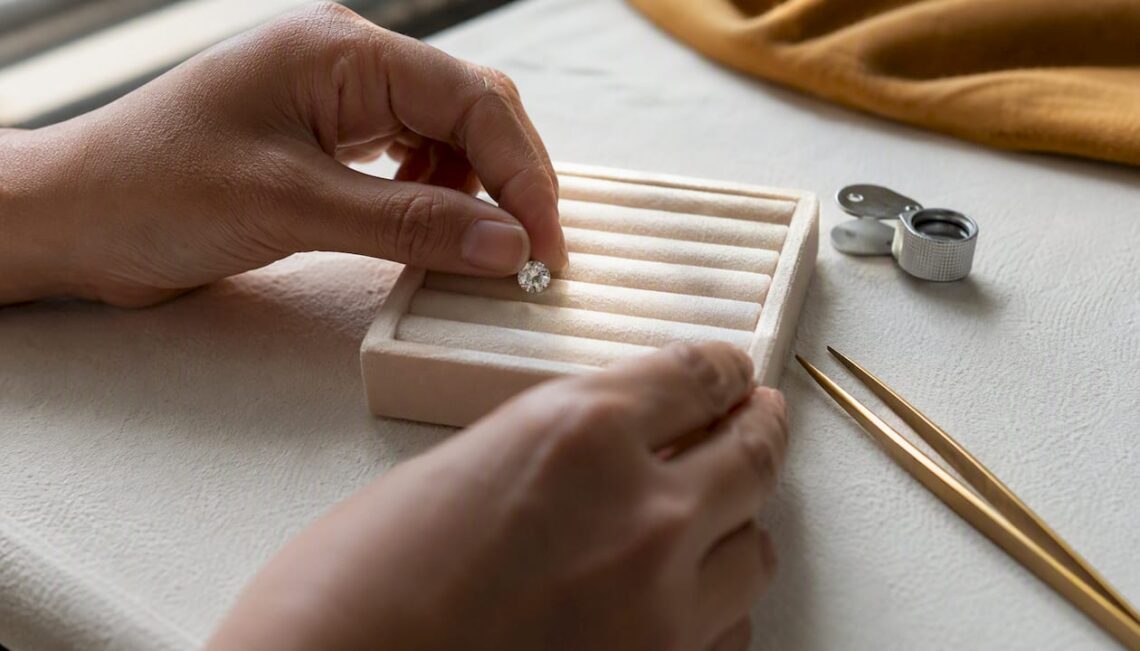
Are Lab-Grown Diamonds Worth It? A Practical 2026 Guide
Yes, lab-grown diamonds are worth it for most buyers who prioritize size, appearance, and ethical transparency. They are not the right choice if you need an appreciating asset or plan to resell.
- Buy lab-grown if: you want maximum visual impact for your budget, care about conflict-free sourcing, or want to customize a ring without stretching your finances.
- Stick with mined if: you are buying as an investment, building an heirloom with expected resale value, or placing significant weight on long-term monetary worth.
Pro Tip: Before anything else, confirm the stone comes with a third-party grading report (GIA, IGI, or GCAL) and that the seller offers a clear return policy. Those two details protect you more than any other single factor.
Usajewels has offered certified, ethically sourced lab-grown and natural diamonds since 1999, making it a trusted starting point for buyers comparing both options.
Key Takeaways
Lab-grown diamonds are worth it for buyers who prioritize size, appearance, and ethical sourcing, but they are not an appreciating asset and should be purchased with a lifetime upgrade policy rather than resale expectations.
| Point | Details |
|---|---|
| Price savings are real | Lab-grown diamonds have fallen dramatically in price since 2016, offering significant savings vs. comparable mined stones. |
| Resale value is low | Treat lab-grown diamonds as consumable luxury; secondary-market prices are a fraction of retail due to growing supply. |
| Chemical parity is confirmed | Lab-grown diamonds are real diamonds, identical in hardness, brilliance, and durability to mined stones. |
| Certification is non-negotiable | Always verify a GIA, IGI, or GCAL report with a matching laser inscription before purchasing. |
| Usajewels offers lifetime upgrades | As a family-owned direct seller since 1999, Usajewels provides certified stones, ethical sourcing, and a lifetime diamond upgrade program. |
Table of Contents
- Lab-grown diamonds: the key tradeoffs at a glance
- How much you actually save buying lab-grown diamonds
- Resale value and long-term market outlook
- Ethical and environmental considerations
- Are lab-grown diamonds real? Durability and lifespan
- Which grading labs and certificates should you trust?
- A practical buying checklist for lab-grown diamonds
- What a reputable seller looks like, and how Usajewels delivers
- The part most guides get wrong about lab-grown diamonds
- Certified lab-grown diamonds, direct from our family to yours
- Sources
- FAQ
Lab-grown diamonds: the key tradeoffs at a glance
Lab-grown diamonds are chemically and physically identical to mined diamonds, grown in a controlled environment using either Chemical Vapor Deposition (CVD) or High Pressure High Temperature (HPHT) processes. The tradeoffs are financial and philosophical, not about the stone itself.
| Factor | Lab-Grown | Mined |
|---|---|---|
| Price savings | Materially lower cost for equivalent specs | Higher upfront cost |
| Resale value | Low; depreciates quickly | Retains more relative value |
| Ethical sourcing | Conflict-free by origin | Requires verified certification |
| Size for budget | Larger stone for the same spend | Smaller stone at equivalent price |
| Certification | GIA, IGI, GCAL all grade lab-grown | Same grading labs apply |
One misconception worth clearing up immediately: lab-grown diamonds are not fake diamonds. They are not moissanite or cubic zirconia. They are real diamonds that happen to be grown above ground rather than mined below it. What they are not is an appreciating asset.
How much you actually save buying lab-grown diamonds
The price gap between lab-grown and mined diamonds is substantial and has widened sharply over the past decade. Analyst reporting shows that the price of a 1-carat lab-grown diamond has significantly decreased since 2016 due to manufacturing efficiencies and increased supply. That price collapse reflects manufacturing efficiency and rapidly growing supply, not any change in the stone’s physical quality.
For buyers, this translates directly into size-for-budget advantages. Forbes Vetted’s consumer guide confirms that lab-grown stones typically cost materially less than comparable mined diamonds, often allowing buyers to step up significantly in carat weight or clarity grade for the same spend.
A few factors shape exactly how much you save:
- Production method: CVD stones tend to be slightly less expensive to produce than HPHT stones, though quality varies by grower.
- Color and clarity grade: Higher grades (D-F color, VS1 and above) carry premiums in both categories, but the percentage savings on lab-grown remain wide.
- Vendor markup: Direct-to-consumer sellers typically pass more savings to the buyer than traditional retail chains.
- Certification lab: Stones graded by GIA or GCAL often carry a small premium over IGI-graded stones, reflecting perceived report rigor.
Pricing dynamics are driven by production scale. As manufacturing capacity grows, lab-grown diamonds behave more like manufactured tech goods with steady downward price pressure rather than scarce commodities. That trend is expected to continue near-term, which is good news for buyers and a caution for anyone treating a lab-grown stone as a store of value.
For a deeper breakdown of how production costs affect retail pricing, Usajewels’s 2026 price guide walks through the numbers by carat size and grade.
Resale value and long-term market outlook
Be direct with yourself here: lab-grown diamonds generally have very low resale prices. Treat them as consumable luxury, the way you would a designer handbag or a luxury watch that you buy for enjoyment rather than return on investment.
The resale reality follows a predictable pattern. In the first few years after purchase, a lab-grown diamond will typically resell for a small fraction of its original price, because the retail market is flooded with new production at falling prices. This is not a defect of the stone; it is a function of an expanding supply market.
What protects your value instead of resale potential:
- Lifetime upgrade programs: Some direct-to-consumer jewelers, including Usajewels, offer lifetime diamond upgrade policies that let you trade in your stone toward a larger or higher-quality diamond. This is a far more practical form of value protection than hoping for secondary-market appreciation.
- Insurance: Insure the jewelry at its replacement value, not its resale value. Standard jewelry riders on a homeowner’s or renter’s policy cover loss, theft, and damage.
- Buyback policies: Ask explicitly whether the seller offers any buyback or trade-in program before purchasing. Consumer guides recommend asking about upgrade and buyback policies upfront, particularly for buyers who anticipate wanting a larger stone in the future.
If resale or heirloom value matters to you, mined diamonds remain the more defensible choice. For everyone else, the savings at purchase more than compensate for the low resale floor.
Ethical and environmental considerations
Lab-grown diamonds remove the most direct ethical concern associated with mined diamonds: conflict financing. Because they are grown in a controlled facility, there is no supply chain risk tied to conflict zones or exploitative mining labor. That is a genuine, verifiable advantage.
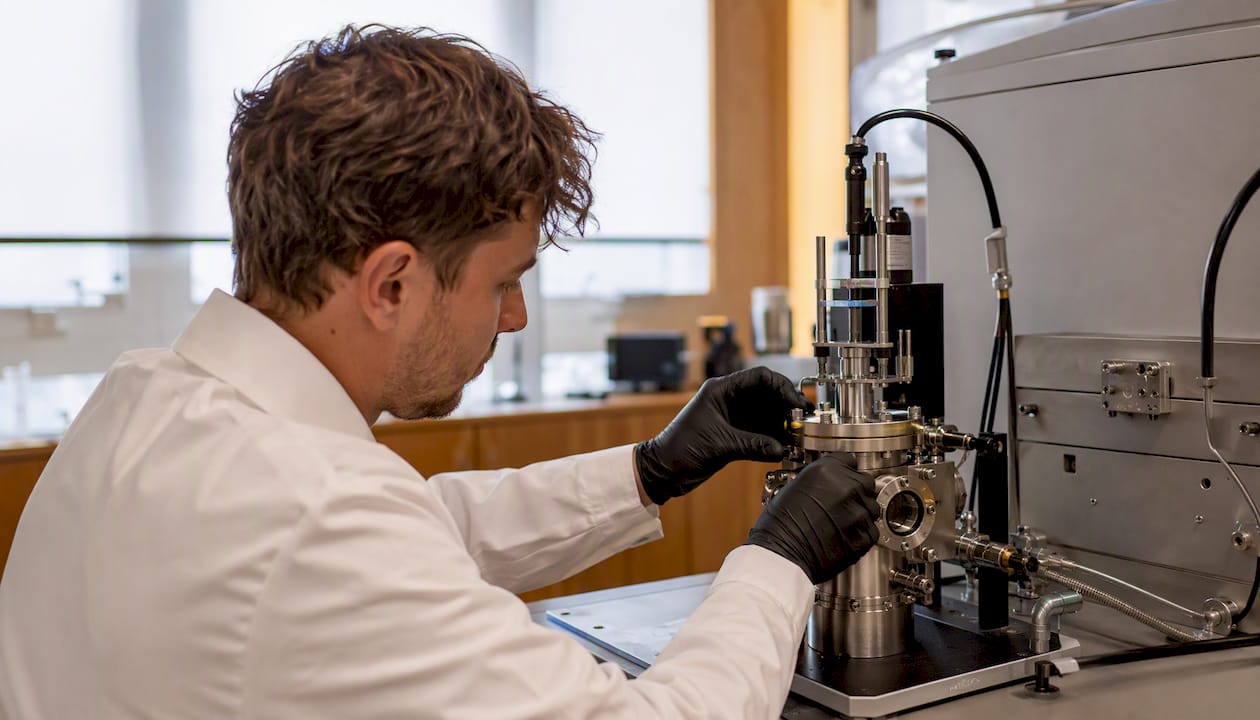
The environmental picture is more nuanced. Growing diamonds in a lab requires significant energy, and the carbon footprint depends heavily on whether the facility runs on renewable or fossil-fuel-based power. A lab powered by coal is not necessarily cleaner than a responsibly managed mine. Understanding how lab-grown diamonds are ethically produced means looking beyond the “grown above ground” claim to the actual energy sourcing behind it.
Certifications and signals worth checking:
- SCS Global Services certification: Some retailers carry SCS-007 Sustainability Rated Diamond certification, which independently audits environmental and social claims.
- Retailer climate statements: Look for specific claims about renewable energy use, not vague “eco-friendly” language.
- Recycled metals: Pairing a lab-grown diamond with recycled gold or platinum extends the ethical commitment to the full piece.
- Kimberley Process compliance: For mined diamonds, this is the baseline conflict-free standard, though it has known limitations.
Vogue’s editorial coverage notes that major designers and retailers have increasingly embraced lab-grown collections precisely because of the ethical and accessibility benefits, framing them as a way to align purchasing with personal values without sacrificing quality.
Pro Tip: Ask any retailer for the specific name of their sustainability certification and the auditing body behind it. A seller who can name SCS Global or a comparable independent auditor is demonstrably more credible than one offering only a general “conflict-free” claim.
Are lab-grown diamonds real? Durability and lifespan
Yes, fully. Lab-grown diamonds are chemically and physically identical to mined diamonds, composed of pure carbon in the same crystal structure. The Federal Trade Commission recognizes them as diamonds, not simulants. A gemologist examining a lab-grown stone without specialized equipment cannot distinguish it from a mined stone.
On the Mohs hardness scale, diamonds score a 10, the maximum. That applies equally to lab-grown and mined stones. Scratch resistance, brilliance, and durability for everyday jewelry wear are identical. A well-set lab-grown diamond in a quality mounting will last a lifetime with normal care.
Two production artifacts are worth knowing about:
- CVD brown tint: Some CVD-grown stones develop a faint brown or gray undertone during growth. Reputable vendors screen for this and disclose it; a grading report’s color grade will reflect it.
- HPHT blue nuance: HPHT stones occasionally show a slight blue or gray cast from trace boron. Again, the color grade on a certified report captures this.
For day-to-day care: clean with warm water and mild dish soap, have prong settings checked annually by a jeweler, and store separately from other jewelry to avoid contact scratches on the metal. Those habits apply equally to mined diamonds.
Which grading labs and certificates should you trust?
Third-party grading reports are non-negotiable for any diamond purchase, lab-grown or mined. The Gemological Institute of America (GIA) is the most widely recognized grading authority. The International Gemological Institute (IGI) grades a high volume of lab-grown stones and is broadly accepted. GCAL (Gem Certification and Assurance Lab) offers an additional option with a strong reputation for accuracy.
Fields to verify on any certificate:
- Carat weight: Confirm it matches the vendor’s listing exactly.
- Cut grade: Excellent or Very Good for round brilliants; check proportions for fancy shapes.
- Color grade: D through Z scale; D-F is colorless, G-J near-colorless.
- Clarity grade: FL through I3; VS2 and above is the practical sweet spot for eye-clean appearance.
- Origin note: The report must state “laboratory-grown” or “synthetic.” If it does not, the stone’s origin is unverified.
- Laser inscription: Many certified stones carry a laser-inscribed report number on the girdle. Match it to the certificate.
- Fluorescence: Note whether fluorescence is present; strong blue fluorescence can affect appearance in certain lighting.
Red flags: a seller who cannot provide a certificate from a named lab, a report number that does not match the stone, or images that do not match the grading specs listed.
A practical buying checklist for lab-grown diamonds
Shopping for a lab-grown diamond is straightforward when you work through a clear sequence.
- Set your budget and size priority. Decide whether you are optimizing for carat weight, color/clarity grade, or a specific ring style. Lab-grown diamonds let you prioritize size without sacrificing certification quality.
- Choose your certification standard. Commit to GIA, IGI, or GCAL before you start comparing stones. Mixing certificate sources makes price comparisons unreliable.
- Verify the grading report. Request the full report number and confirm it on the grading lab’s own verification portal before purchasing.
- Check the return policy. A minimum 30-day return window is reasonable; shorter than that is a red flag.
- Ask about the upgrade and warranty program. A lifetime upgrade policy is a meaningful value protection for lab-grown buyers.
- Request images or video. For online purchases, ask for actual stone images or 360-degree video, not stock photos. This is where CVD tint or HPHT nuance becomes visible.
- Confirm ethical sourcing documentation. Ask for the specific certification name, not a general claim.
Questions to ask your jeweler or online vendor: What lab issued the certificate? Can I verify the report number independently? What is your return window? Do you offer a lifetime upgrade? Is the stone laser-inscribed?
Pro Tip: Before finalizing any purchase, document everything in writing: the report number, the stone specs, the return window, and the upgrade terms. This creates a clean record for insurance purposes and removes ambiguity if you ever need to make a claim or exercise an upgrade.
Red flags to walk away from: no third-party report, a seller who cannot name the grading lab, price far below market for the stated specs, and vague sustainability language with no certifying body named.
What a reputable seller looks like, and how Usajewels delivers
A trustworthy lab-grown diamond seller operates transparently across four areas: certified stones, clear policies, ethical sourcing documentation, and genuine after-sale support.
Usajewels has operated as a family-owned, in-house manufacturing jeweler since 1999, which means no middlemen and direct pricing passed to the buyer. Every stone comes with third-party certification, and the brand’s lifetime diamond upgrade program addresses the resale reality head-on: rather than hoping for secondary-market value, buyers can trade up toward a larger or higher-quality stone over time.
What to expect from a reputable seller:
- Transparent grading reports from GIA, IGI, or GCAL with verifiable report numbers
- A stated return window (30 days minimum) in writing
- A lifetime upgrade or trade-in policy with clear terms
- Documented ethical sourcing, not just a marketing claim
- Real product images or video for online purchases
- Responsive customer service before and after the sale
Usajewels’s guide to choosing a certified ethical diamond jeweler outlines exactly what these trust signals look like in practice, which is useful reading before you compare any sellers.
The part most guides get wrong about lab-grown diamonds
Most articles frame the lab-grown diamond decision as a simple math problem: pay less, get the same stone. That framing is accurate but incomplete, and it leads buyers to skip the one question that actually determines whether they will be satisfied five years from now.
The real question is not “are lab-grown diamonds worth it?” It is “what am I buying this for?” A couple choosing a lab-grown diamond for an engagement ring because they want a 2-carat stone on a $5,000 budget is making a genuinely smart financial decision. A buyer who assumes the stone will hold its value because “diamonds are forever” is about to be disappointed.
The conventional advice also undersells the upgrade policy as a value protection tool. Most guides mention it as a footnote. It deserves to be the first thing you negotiate, because it is the mechanism that converts a depreciating asset into a long-term relationship with a jeweler. A lifetime upgrade from a direct-to-consumer seller like Usajewels is worth more in practical terms than any secondary-market resale scenario.
One more thing the mainstream coverage tends to gloss over: the ethical argument for lab-grown diamonds is real, but it is not automatic. A lab powered by coal with no third-party audit is not inherently cleaner than a responsibly sourced mined diamond. Buyers who care about sustainability owe it to themselves to ask for the specific certification, not just accept the “grown above ground” claim at face value.
Buy lab-grown for size, beauty, and a clean supply chain you can verify. Build in an upgrade policy. Insure it properly. And stop expecting it to appreciate.
Certified lab-grown diamonds, direct from our family to yours
At Usajewels, we built our business around one straightforward idea: you should not have to choose between a beautiful diamond and a fair price. As a family-owned jeweler manufacturing in-house since 1999, we cut out the middlemen and pass the savings directly to you.
Every lab-grown diamond we sell comes with a certified grading report from a recognized third-party lab, full ethical sourcing documentation, and our lifetime diamond upgrade program. Whether you are designing a custom engagement ring or selecting a certified loose stone, our team is here to help you find the right stone for your budget and your values. With over 222 verified Google reviews and more than two decades of experience, we stand behind every piece we make.
Browse our fine diamond jewelry or explore our lab-created diamond collection to start comparing certified options today.
Sources
- 16 Best Lab-Grown Diamonds 2025: Fine Jewelry to Engagement Rings | Vogue
- Best Lab-Grown Diamonds 2026 – Forbes Vetted
- Synthetic diamond — Wikipedia
FAQ
Is a lab-grown diamond a fake diamond?
No. Lab-grown diamonds are real diamonds, chemically and physically identical to mined diamonds, composed of pure carbon in the same crystal structure. The FTC classifies them as diamonds, not simulants like moissanite or cubic zirconia.
What is the biggest downside to buying a lab-grown diamond?
The primary downside is low resale value. Because lab-grown diamond prices have fallen sharply as production has scaled, secondary-market prices are typically a small fraction of the original retail price.
Do lab-grown diamonds last as long as mined diamonds?
Yes. Both score a 10 on the Mohs hardness scale, meaning they are equally scratch-resistant and durable for everyday jewelry wear. A well-maintained lab-grown diamond will last a lifetime.
Why do some jewelers discourage lab-grown diamonds?
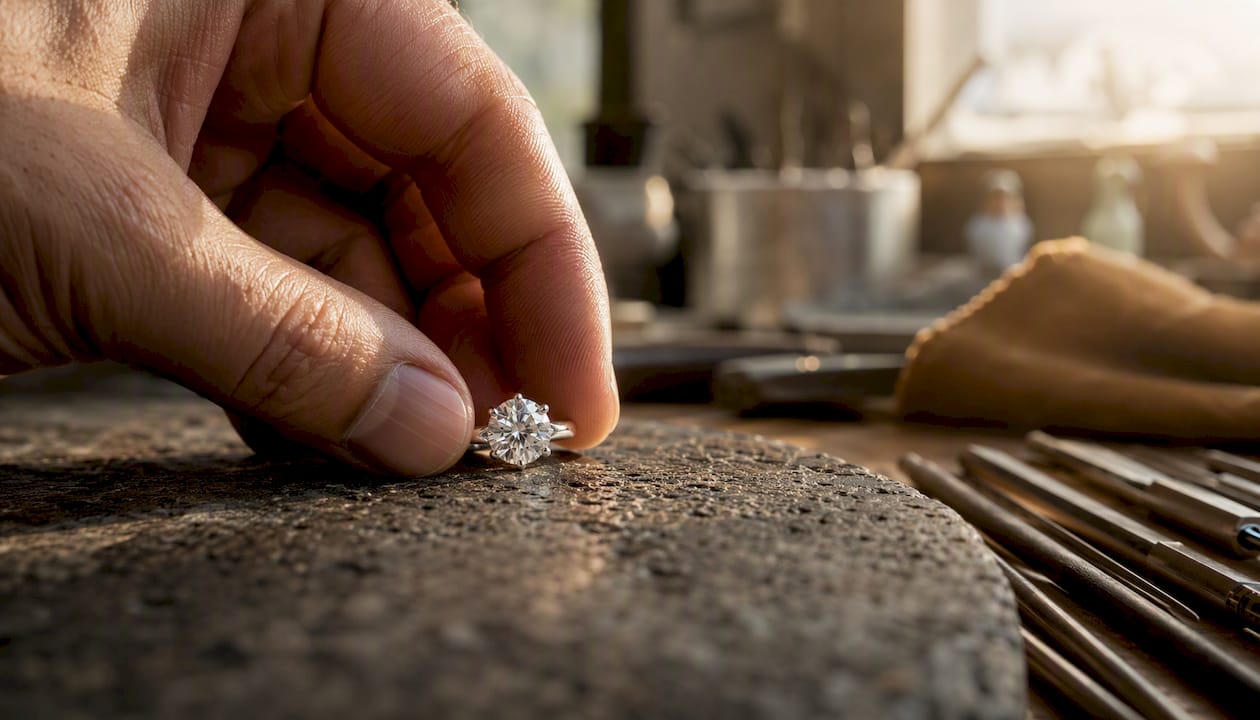
Traditional jewelers often earn higher margins on mined diamonds and may have existing inventory to move. The financial incentive, not the quality of the stone, typically drives that preference.
How do I verify a lab-grown diamond’s certificate?
Request the full report number from the seller and enter it directly on the grading lab’s own verification portal (GIA, IGI, or GCAL). Confirm the report number matches any laser inscription on the stone’s girdle.
Recommended
- Lab-Grown vs Natural Diamonds Guide | USA Jewels
- Why Lab-Grown Diamonds Cost Less: 2026 Price Guide
- How Synthetic Diamond Creation Works: A Buyer’s Guide
- Conflict-Free Diamond vs Lab Grown: Buyer’s Guide

Deep Mehta is the Co-Owner of USA Jewels, a family-owned jewelry business she has led since 2013 in Deerfield Beach, Florida. With over 13 years of hands-on experience in fine jewelry retail, manufacturing, and diamond importing, Deep specializes in engagement rings, wedding bands, and custom jewelry design. She also co-manages Kaash Group Talent Acquisition. Deep is a University of Florida graduate and oversees every aspect of USA Jewels’ operations, from product development to marketing.
Fine Jewelry Collection


You May Also Like
Verify GIA Reports in 2 Minutes: How to Read a GIA Report
Jewelry Certification Types Guide: What U.S. Buyers Need