
Latest Articles
Page 1 of 20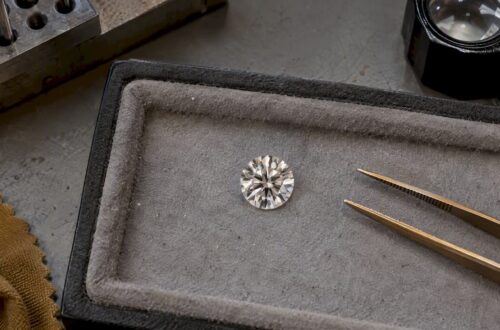
Diamond Cut Grades: How GIA’s Five Levels Change What You See
Learn how GIA assigns diamond cut grades, what proportions and craftsmanship reveal about sparkle, and how to use…

Scratch Resistant Metals: Choose a Ring You Can Repair
Compare tungsten carbide, coated titanium, and platinum to choose a ring balancing scratch resistance, impact protection, repairability, and…
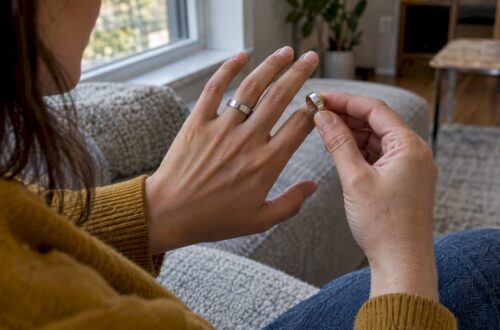
Nearly Twice the Weight: Platinum vs Palladium for Rings and Investing
Platinum's near double density and patina suit daily rings. Palladium is lighter and cheaper but prone to catalyst…
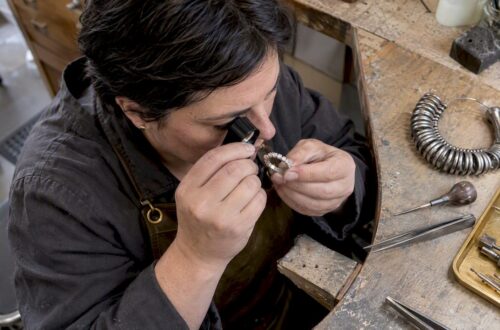
Avoid Stone Loss: When to Resize or Remake an Eternity Band
Learn when an eternity band can be safely resized, when a remake protects the stones, and the practical…
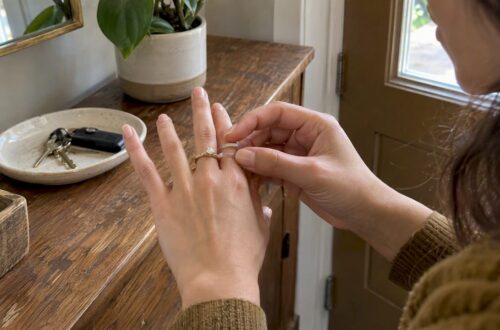
Stop Ring Spinning: DIY Guards, Jeweler Fixes, Custom Contoured Bands
Quick, practical steps to stop a spinning ring. Try silicone guards or coils, then pick jeweler fixes—sizing beads,…

5 Checks Buyers Must Do for Diamond Girdle Thickness
Five practical checks to read diamond girdle thickness, avoid 'Extremely Thin' or 'Extremely Thick' stones, and what to…

Insist on a GIA Report: Color Treated Diamonds for U.S. Buyers
Verify color treated diamonds: demand a GIA or equivalent lab report, check the girdle inscription, confirm FTC disclosure,…

Bar Setting Rings: How to Balance Sparkle and Resizing With USA Jewels
Buyer focused guide to bar setting rings: choose half or full eternity, know resizing and inspection needs, and…
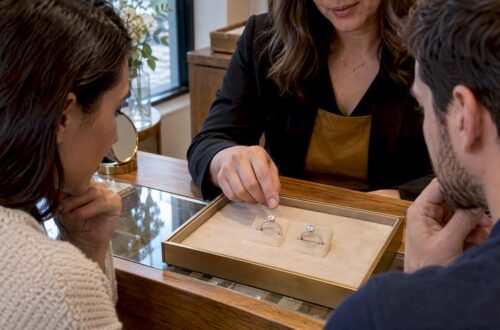
0.25 CTTW Example: Choose Pavé or Micro Pavé for Engagement Rings
Compare pavé and micro pavé using stone size, total carat weight, cost, durability, and a twice‑yearly inspection checklist.…