Check Earring Backs Every Six Months: Types for Sleep, Sport, Heirloom
The most common earring backs are push (butterfly), screw, flat (labret), lever, latch, omega, and locking styles like La Pousette. For security, screw backs and locking backs top the list, while butterfly backs are the easiest to find but the most likely to loosen. If your studs are valuable, worn to bed, or sitting in a new piercing, an upgrade to a screw or locking back is worth the switch.
TL;DR:
- Screw backs and locking backs provide the highest security and are recommended for valuable, new, or frequently worn earrings to prevent accidental loss.
- Friction or butterfly backs are the most common but least secure, with their grip weakening over time and repeated use.
- Flat backs and threadless posts reduce irritation and are better suited for sleeping or healing piercings, but only work with compatible posts.
- The securest options like screw and locking backs require matching threaded or notched posts, so compatibility check is essential before upgrading or replacing.
- Regular inspection and timely upgrading of earring backs can significantly reduce the risk of losing valuable or sentimental jewelry.
Table of Contents
- What Are the Different Earring Back Types?
- Which Earring Back Is Actually the Most Secure?
- How to Choose or Upgrade Your Earring Backs
- Replacing or Retrofitting an Earring Back Safely
- Why Trust This Guide
- A Personal Take on Securing What Matters
- Ready for Studs That Stay Put?
- Sources
- FAQ
What Are the Different Earring Back Types?
Knowing the name printed on a product listing doesn’t always tell you how a back actually behaves on your ear. Here’s what you’re really buying, style by style.
Friction (push/butterfly) backs are the small, winged metal pieces that slide onto a plain post and stay put through pressure alone. Some sellers call them push backs or clutches. They’re cheap to produce, easy for anyone to put on, and they come standard on most low-cost studs, which is exactly why they’re the most common back type but also the least secure — friction wears down with repeated use, and a butterfly back that once gripped tightly can slip off without warning.
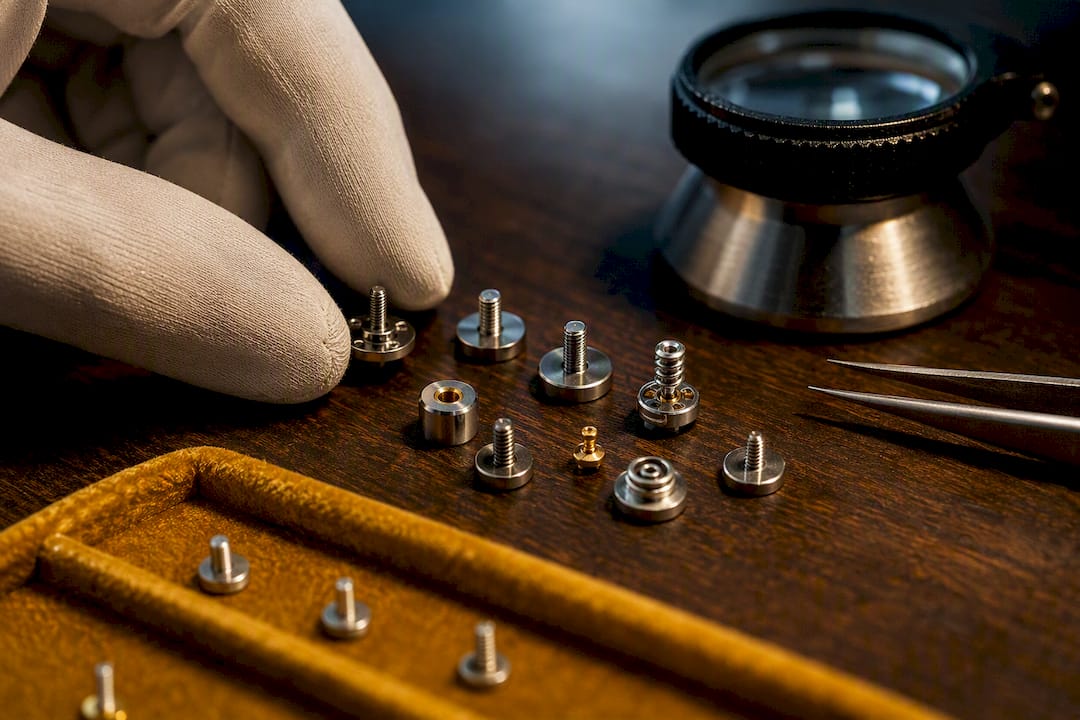
Screw backs thread onto a matching grooved post, turning the connection into a mechanical lock rather than a friction fit. That threading is why jewelers reach for screw backs on diamond studs meant for children or for pieces you don’t want to think twice about.
Flat backs (labret style) and threadless posts use a flat disc that sits nearly flush against the back of the ear instead of a clutch that sticks out. Piercers favor this design because the flat disc reduces catching and irritation, which matters most while a piercing is healing or when you sleep in your earrings. Cartilage piercings, in particular, tend to do better with flat backs than with anything that protrudes.
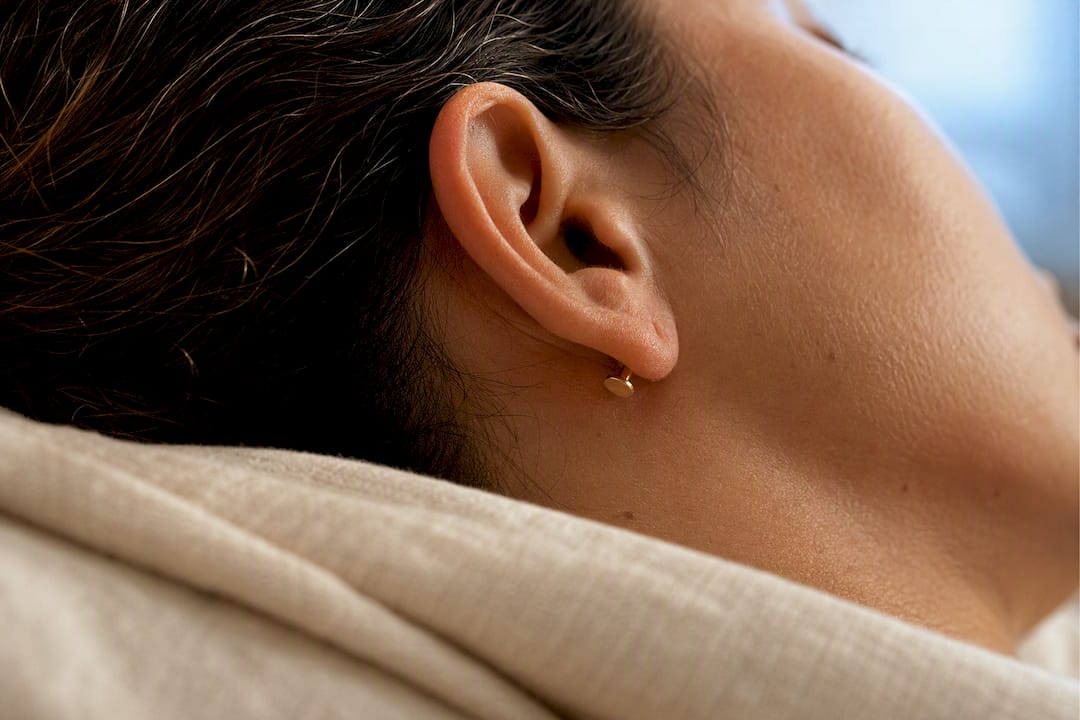
Locking backs, including La Pousette and Alpa styles, use an internal spring mechanism that clicks into a notch on the post. You squeeze two small levers to release it, which makes locking backs nearly as secure as a screw back but faster to put on and take off.
Lever backs and latch backs are built for drop earrings and small hoops, not studs. A hinged wire snaps into a fitted loop, holding the earring’s weight along the earlobe instead of pinching a single post.
Omega backs are wide, curved clips that clamp gently across the back of the earlobe, spreading out the weight of a heavier earring. Clip-on versions of the same idea work for anyone without pierced ears.
Disc, bullet, and silicone or plastic backs are softer, often clear or skin-toned pieces meant for sensitive ears or short-term wear, though they trade some security for comfort.
| Product listing name | Back type it usually means |
|---|---|
| Push back, clutch | Friction (butterfly) |
| Screw-on, threaded back | Screw back |
| Labret, flat disc | Flat back |
| La Pousette, Alpa, secure lock | Locking back |
| French wire, fish hook back | Lever back |
| Huggie latch, snap-back hoop | Latch back |
A note on vocabulary: the small piece that slides onto the post is generally called a back or clutch, while the post itself is the part that passes through the ear.
Which Earring Back Is Actually the Most Secure?
Security comes down to mechanics, not price. Ranked from most to least secure for everyday studs: screw backs, locking backs (La Pousette or Alpa), lever and latch backs on their intended styles, flat/threadless backs, omega backs, and last, friction/push backs.
Pro Tip: If a stud has ever fallen off a friction back without you noticing, that’s your earlobe telling you it’s time to switch to a screw or locking system.
Match the back to the situation, not just the earring:
- High-value diamond studs: screw back or locking back, for the added resistance to accidental removal.
- Children’s earrings: screw backs, since kids can’t reliably feel a loose clutch before it’s gone.
- Athletes and active wearers: screw or locking backs, both of which resist working loose during movement or contact.
- Sleeping in earrings: flat/threadless backs, because there’s no clutch pressing into the pillow.
- New or healing piercings: flat/threadless, following the same logic piercers use for post-procedure jewelry.
- Heavy statement earrings: omega backs or support discs, which spread weight instead of concentrating it on the post.
Compatibility matters as much as the back style itself. A screw back only works on a threaded post, and a locking back needs a notched post to click into. Internally threaded posts (threadless) differ from externally threaded ones, and post gauge varies by design, so a replacement back has to match the exact post it’s going on, not just the general category.
How to Choose or Upgrade Your Earring Backs
Run through this before buying new studs or swapping an old back:
- Weigh the value of the piece. Anything with real diamonds or gold deserves a screw or locking back, not the friction back it may have shipped with.
- Think about how often you wear it. Daily wear earrings benefit from locking backs for the balance of ease and hold; occasional pieces can get by with less.
- Factor in activity level. If you work out, coach a team, or chase toddlers, skip friction backs entirely.
- Consider sleep and skin sensitivity. Flat or threadless backs avoid the pressure points that cause irritation overnight.
- Check the post type before buying a replacement. Confirm thread type, post diameter, and whether the post is notched for a locking back.
Before checkout, verify the metal or alloy listed and whether the seller makes a specific hypoallergenic claim, rather than a vague “nickel free” label with no detail behind it. If a butterfly back on a pair of studs feels loose within the first few wears, that’s a red flag worth acting on immediately, not something to wait out.
Replacing or Retrofitting an Earring Back Safely
- Removing friction backs: grip the clutch, not the post, and pull straight back rather than twisting.
- Removing screw backs: turn counterclockwise slowly; forcing it risks stripping the threads.
- Removing locking backs: squeeze both sides evenly before pulling to avoid bending the spring mechanism.
- Retrofitting: bring notched or threaded posts to a jeweler if you want to switch to a locking or screw system, and ask about adding a support disc for heavier pieces.
- Materials for sensitive ears: implant-grade titanium or solid gold reduce nickel exposure far better than plated alternatives, a detail worth checking if your ears react to certain metals.
Why Trust This Guide
This guide was written by Joseph, drawing on retail jewelry experience and practitioner-backed piercing guidance. A family-owned business running an in-house manufacturing model keeps pricing direct by cutting out middlemen. The diamond studs are backed by ethical sourcing, lifetime diamond upgrades, a design-your-own option, and numerous positive Google reviews from customers.
A Personal Take on Securing What Matters
If a stud means something, whether it’s an heirloom or a piece you saved for, I lean toward locking or screw backs every time. Friction backs are fine for costume jewelry, not for anything you’d hate to lose. Check the backs every six months.
— Joseph
Ready for Studs That Stay Put?
If you’ve read this far, you already know a butterfly back isn’t going to cut it for a pair of diamonds you actually care about. This brand builds its diamond stud earrings in-house, which means secure locking and screw-back options come standard rather than as an afterthought, and any replacement or fitting question goes straight to the people who made the piece instead of a third party.
Sensitive ears matter too. If you’ve had irritation from plated metals in the past, the brand’s guide to nickel-free white gold is worth a read before you buy. When you’re ready to browse, start with the certified loose diamonds selection or explore the full earring collections to find a pair built to stay on your ears.
Sources
- Earring Back Types: A Doctor’s Guide to Every Type – rhokea
- Types of Earring Backs: Every Style Explained (+ Which Is Most Secure) – AJLuxe
- Earring Backs Explained: Butterfly vs Flat Back vs Screw-On – Vital Piercing
- Earring Back Types Explained: Which Should You Choose? – Manna Jewellers Ltd
FAQ
What kind of earring backs are most secure?
Screw backs and locking backs, such as La Pousette or Alpa styles, are the most secure options because both rely on a mechanical lock instead of friction alone. Locking backs offer nearly the same hold with faster, easier daily handling.
What is the backside of an earring called?
The small piece that slides onto the post is usually called a back or a clutch, while the post is the part that passes through the ear. Product listings often use back type names like screw back, push back, or labret to describe it more specifically.
What is butterfly backing?
Butterfly backing, also called a push back or clutch, is a winged metal piece that holds an earring on through friction against a plain post. It’s the most common back type but also the least secure, since friction weakens with repeated use.
Are flat backs good for sleeping in earrings?
Yes. Flat, or labret-style, backs sit nearly flush against the ear with no protruding clutch, which is why piercers recommend them for sleeping and for healing piercings. They reduce the pressure and catching that a traditional butterfly back can cause overnight.
Can I replace a butterfly back with a screw or locking back?
Often, yes, if the post is threaded or notched to accept the new back, though plain friction posts may need a jeweler’s help to retrofit. Usajewels can assess your studs and recommend a secure replacement suited to the post type and the value of the piece.
Recommended
- Earring Guide: Studs, Hoops & Drops
- Jewelry Care Guide: Cleaning, Storage & Maintenance
- Jewelry Storage Guide: Prevent Scratches & Tarnish

Deep Mehta is the Co-Owner of USA Jewels, a family-owned jewelry business she has led since 2013 in Deerfield Beach, Florida. With over 13 years of hands-on experience in fine jewelry retail, manufacturing, and diamond importing, Deep specializes in engagement rings, wedding bands, and custom jewelry design. She also co-manages Kaash Group Talent Acquisition. Deep is a University of Florida graduate and oversees every aspect of USA Jewels’ operations, from product development to marketing.
Fine Jewelry Collection

You May Also Like
How to Stack Bracelets: A Guide

Top 5 oradina.com Custom Jewelry Alternatives 2026