
Buy With Confidence: When Laser-Drilled Diamonds Make Sense
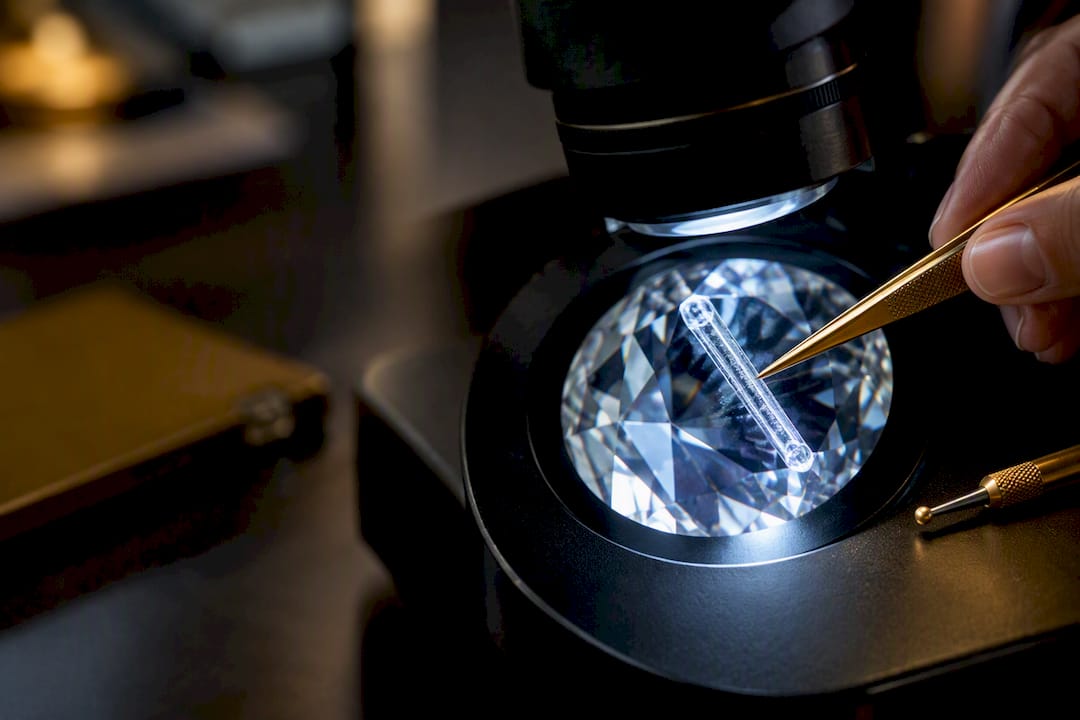
A laser drilled diamond is a natural stone that’s been altered with a microscopic laser channel, drilled to reach and lighten a dark inclusion. It’s a legitimate, disclosed clarity treatment, not a defect to run from. However, it does change what you’re paying for, so the report, the inscription, and the seller’s policies matter more than the sparkle alone.
TL;DR:
- Laser drilling creates microscopic channels to lighten dark inclusions, but detection varies with pattern complexity and modern techniques hide channels under different lighting conditions.
- GIA reports disclose laser treatment with specific comments and inclusion plot markings, but treatments can sometimes extend feather cracks or involve fracture filling, affecting durability.
- Buyers should always verify report numbers, inspect with magnification, and request independent evaluations before purchasing, especially if documentation is incomplete or unclear.
- Treated diamonds often carry a significant price discount compared to untreated ones; comparisons should be made against other treated stones and considered in resale or upgrade plans.
- A well-documented, disclosed laser-drilled diamond can be a cost-effective, durable option for everyday jewelry, but undisclosed treatments pose a substantial risk of misrepresentation.
Table of Contents
- How Laser Drilling Works: The Channel, the Bleaching, and the Technique Variants
- How GIA Reports Laser Drilling (and Why That Report Is Everything)
- The Real Risks: What Lasering Can Do to a Stone Over Time
- How to Inspect, Verify, and Question a Seller Before You Buy
- Turning Disclosure Into a Real Price Comparison
- When a Laser-Drilled Diamond Actually Makes Sense
- Why Disclosure Is the Whole Game
- How USA Jewels Helps You Buy With Confidence
- Sources
- FAQ
How Laser Drilling Works: The Channel, the Bleaching, and the Technique Variants
A gemologist aims a laser at a dark inclusion, usually a bit of trapped mineral, and burns a channel from the surface down to it. Heat or a bleaching agent is then introduced through that channel to lighten or dissolve the inclusion, which is how a treater turns a visually distracting flaw into something far less noticeable. GIA defines the process this way, and it’s been part of the trade since the 1970s, according to research published in Gems & Gemology.
We tell our own customers there are a few common variants worth knowing:
- Surface-reaching drill holes, the classic version, leave a visible tunnel from the outside of the stone to the inclusion.
- Internal lasering creates feather-like channels that don’t break the surface in a straight line, making the treatment harder to spot without magnification.
- Wormhole-style patterns, documented in newer research, curve through the stone rather than boring a single straight path.
Jewelers use this technique because it makes an otherwise heavily included stone marketable at a lower price point. That’s not dishonest by itself. It’s dishonest only when it isn’t disclosed.
How GIA Reports Laser Drilling (and Why That Report Is Everything)
The Gemological Institute of America will grade a laser-drilled diamond, but it will not hide the treatment. GIA’s reporting standards require that drill holes show up on the inclusions plot, and when the channel doesn’t leave a straight, obvious hole, the comments section will say something like “internal laser drilling.”
A few things to keep straight when you’re reading a report:
- Permanent doesn’t mean flawless. GIA is clear that a permanent treatment doesn’t guarantee improved durability or that every trade-off has been erased.
- Some stones don’t get a standard report at all. If a diamond has been fracture-filled after lasering, certain labs will decline to issue a standard grading report, because the filler complicates a stable clarity call.
- Always cross-check the report number against the physical stone, and look for a laser inscription on the girdle under magnification.
Trade guidance from AGTA’s Gemstone Information Manual backs this up: treatments need to be disclosed at every level of the sale, not just buried in fine print on a lab document you never see.
The Real Risks: What Lasering Can Do to a Stone Over Time
Here’s the part most sales floors skip past. Laser drilling can open or extend a feather, the thin, crack-like inclusion that runs through a diamond’s structure, and that sometimes drops the stone’s clarity grade over time rather than improving it. GIA’s own guidance on the topic warns that permanence doesn’t equal improvement across every measure of the stone.
The bigger complication shows up when drilling is followed by fracture filling. That step introduces a foreign substance into the channel, and foreign fillers bring their own durability and care issues. GIA notes that fracture filling after drilling can affect whether a lab issues a report at all.
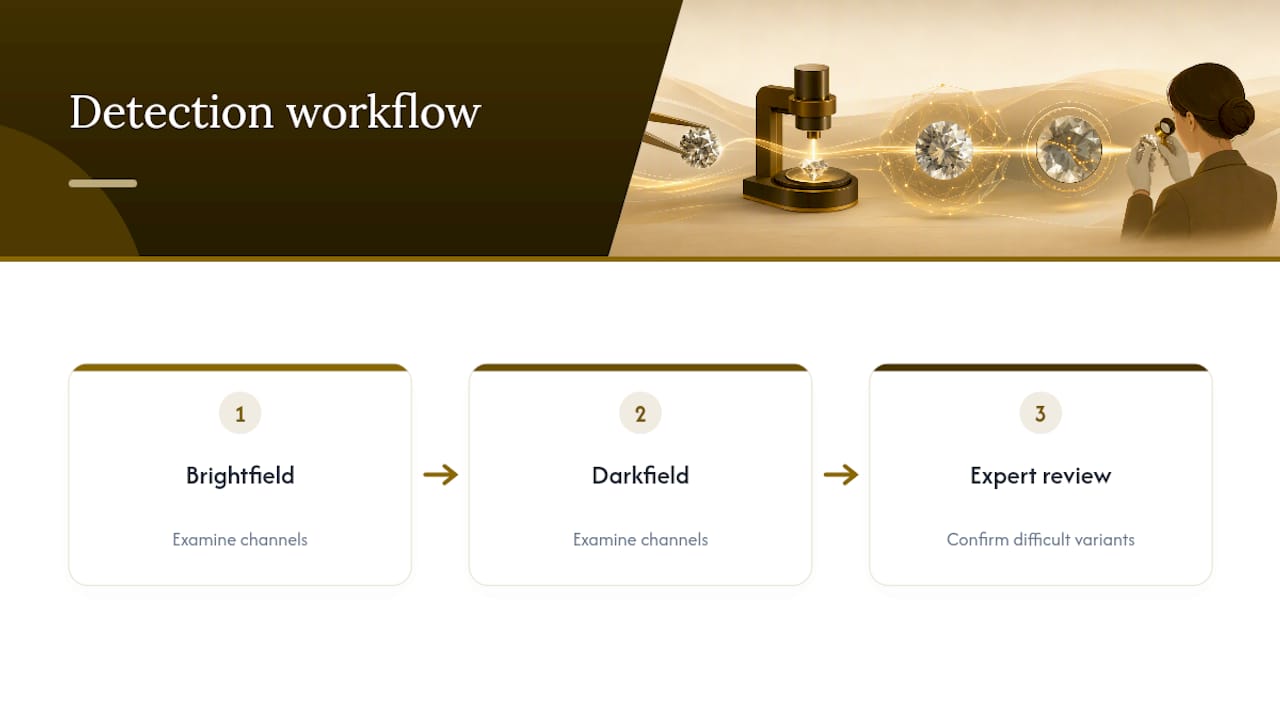
One overlooked risk: detection itself is difficult. Research on newer lasering techniques found that modern channels can create wormhole-like paths that don’t announce themselves under a single light source. Gems & Gemology’s technical review found that spotting these variants often requires examining the stone under multiple lighting conditions, brightfield and darkfield both, with an experienced grader doing the looking. A quick glance under one loupe light isn’t enough.
How to Inspect, Verify, and Question a Seller Before You Buy
Treat this like due diligence, not paranoia. Here’s the order to work through:
- Request the original grading report. Match the report number on the paper to the number inscribed on the diamond itself, and confirm the lab issuing it is one you recognize.
- Ask for magnified photos or video, ideally showing brightfield and darkfield lighting and a table-to-culet view. If the seller can’t produce this, that’s a signal to ask why.
- Request independent reassessment if anything about the documentation feels thin. A second opinion from an independent lab costs little compared to the price of the stone.
- Get return, upgrade, and repair policies in writing. Verbal promises about future trade-ins mean nothing once the sale is closed.
If you want to check a laser inscription yourself before you ever ask a seller for anything, our own step-by-step walkthrough on verifying a GIA laser inscription covers exactly how to do it with a standard 10x loupe.
Pro Tip: Ask the seller what the stone’s clarity grade would have been before treatment. A seller who can’t answer, or won’t, usually hasn’t looked closely at the report themselves.
Turning Disclosure Into a Real Price Comparison
The single biggest mistake buyers make with a laser-drilled diamond is paying as if the treated clarity grade were an untreated one. It isn’t, and the comparison set changes the moment treatment enters the picture.
- Compare the stone against other disclosed treated diamonds first, on price, cut quality, and how the inclusions actually look at eye level.
- Compare it against untreated stones second, and expect a real price gap. That gap is the whole point of the treatment.
- Ask directly about resale and trade-in terms. A documented upgrade policy matters more here than it does with an untreated stone, since resale value on treated diamonds tends to be more conservative.
- Use the documentation itself as a negotiating lever. A full report, a laser inscription, and magnified imagery are all things a buyer can reasonably expect included at no extra cost.
When a Laser-Drilled Diamond Actually Makes Sense
A disclosed, well-documented laser-drilled diamond is often a smart, cost-conscious choice, not a compromise. It fits well for budget-sensitive buyers who want size and brilliance without paying untreated prices, and for everyday pieces you’ll wear constantly rather than hand down.
Cut quality does a lot of the heavy lifting here. A well-cut stone with strong light return hides inclusion location better than a poorly cut one, treated or not, so pairing treatment disclosure with a strong cut grade is where the real value shows up.
Where we’d steer you away: heirloom pieces, or anything you expect to carry significant resale or upgrade value decades from now without a documented guarantee behind it. In those cases, pay the premium for untreated clarity, or at minimum get written assurances about future value before you commit. Either way, independent lab verification isn’t optional. It’s the only thing standing between you and a stone that’s been dressed up rather than honestly priced.
Why Disclosure Is the Whole Game
Most of the anxiety around laser-drilled diamonds comes from a misplaced fear of the treatment itself rather than the real issue, which is nondisclosure. A laser channel that’s fully documented on a GIA report, with an inscription you can verify yourself, is a known quantity. An undisclosed one is a gamble you didn’t agree to take.
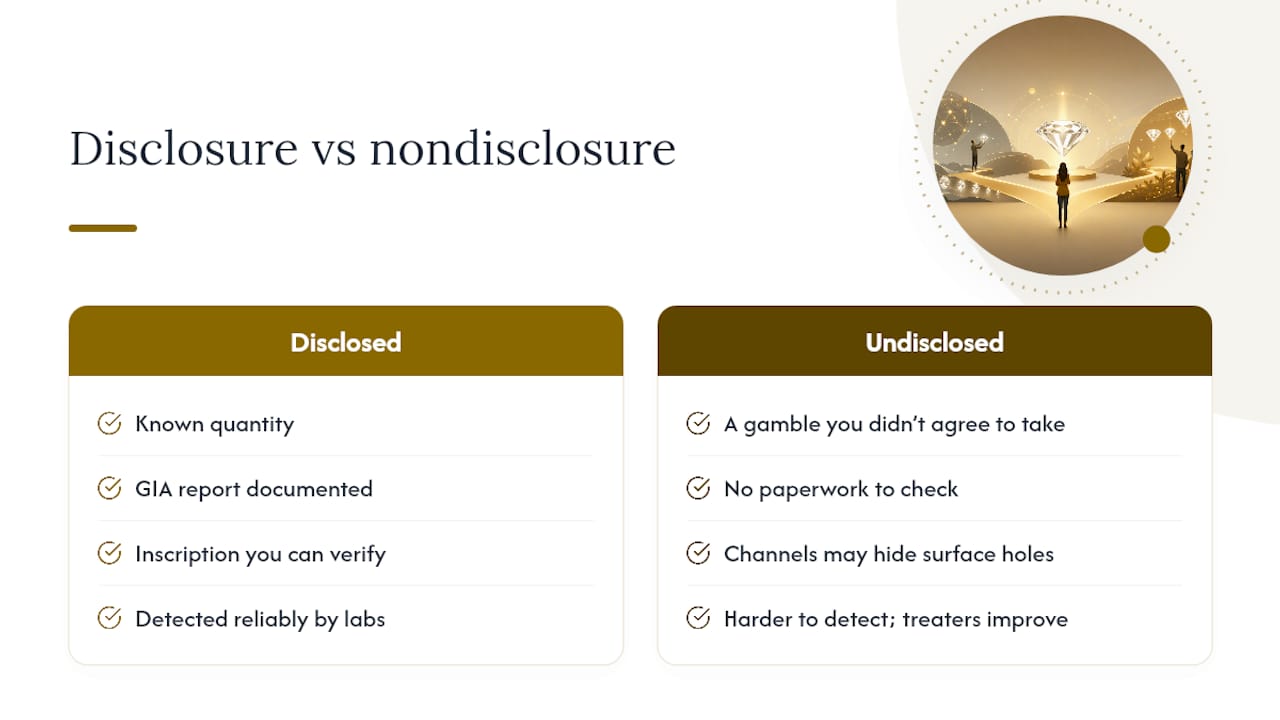
What gets underestimated is how much detection has evolved on both sides. Treaters have gotten better at creating channels that don’t announce themselves with an obvious surface hole, and labs have had to respond with multi-angle lighting and more careful comment language on reports. That arms race is exactly why a report from a recognized lab, cross-checked against the physical stone, still beats any amount of showroom reassurance.
We’d also push back gently on the instinct to treat “laser drilled” as automatically inferior to “untreated.” It changes the comparison, not the verdict. A well-documented treated stone at the right price can outperform an untreated stone with a worse cut or a muddier color grade. The question isn’t whether a stone was treated. It’s whether you know exactly what you’re buying and whether the paperwork backs it up.
— Joseph
How USA Jewels Helps You Buy With Confidence
If you’d rather sidestep the guesswork entirely, USA Jewels sells certified loose diamonds with documented grading, so you know exactly what treatment history, if any, comes with the stone before you buy.

Because the company manufactures jewelry in-house, they build every custom piece around a diamond verified beforehand, whether that means requesting magnified report photos or checking a laser inscription before it’s ever set. Some purchases come with a lifetime diamond upgrade program, helping customers adjust their jewelry choices if their taste or budget changes down the road. If you’re ready to design a ring around a stone you actually trust, start with our certified diamonds catalog or reach out to us directly for help reviewing a report before you commit to anything.
Sources
FAQ
What Is a Laser Drilled Diamond?
It’s a natural diamond that’s had a microscopic channel burned into it with a laser to reach a dark inclusion, which is then lightened with heat or a bleaching agent. GIA classifies this as a permanent clarity treatment that must be disclosed on the grading report.
Are Laser Drilled Diamonds Worth Anything?
Yes, but at a lower price than a comparable untreated stone, since the treatment is factored into value from the start. A disclosed, well-cut laser-drilled diamond with solid documentation still holds real value, particularly for everyday wear rather than long-term heirloom pieces.
Why Do Some Jewelers Avoid Recommending Lab-Grown Diamonds?
Some traditional jewelers favor natural stones because of established supply relationships and higher margins on natural diamonds, not because of any proven quality gap. If you’re weighing origin as part of your decision, our lab-grown versus natural diamonds guide breaks down the actual differences.
Can Diamonds Be Cut or Altered With a Laser?
Yes. Lasers are used both to cut and shape rough diamonds and to drill microscopic channels for clarity treatment, two very different applications of the same tool. Cutting shapes the stone; drilling targets a specific inclusion for removal or lightening.
How Do I Verify a Diamond’s Laser Inscription Myself?
Most laser-drilled and lab-grown diamonds carry a microscopic inscription on the girdle that’s visible under a standard 10x jeweler’s loupe. Our walkthrough on verifying a laser inscription shows the exact steps, and matching that inscription to the report number is the fastest way to confirm you’re looking at the stone the paperwork describes.
Recommended
- Save 30–50% with Clarity Enhanced Diamonds: GIA Facts and What to Ask
- Buyers: Verify a GIA Laser Inscription in Two Minutes with a 10x Loupe
- Diamond Buying Guide: The 4 C’s Explained
- How to Buy a Diamond Online Safely: Complete Guide

Deep Mehta is the Co-Owner of USA Jewels, a family-owned jewelry business she has led since 2013 in Deerfield Beach, Florida. With over 13 years of hands-on experience in fine jewelry retail, manufacturing, and diamond importing, Deep specializes in engagement rings, wedding bands, and custom jewelry design. She also co-manages Kaash Group Talent Acquisition. Deep is a University of Florida graduate and oversees every aspect of USA Jewels’ operations, from product development to marketing.
Fine Jewelry Collection

You May Also Like

Age-Appropriate Jewelry Examples: A Complete Gift Guide
Eye Clean Diamonds: How to Get a Flawless Look
