Role of Center Stone in Engagement Rings: Full Guide
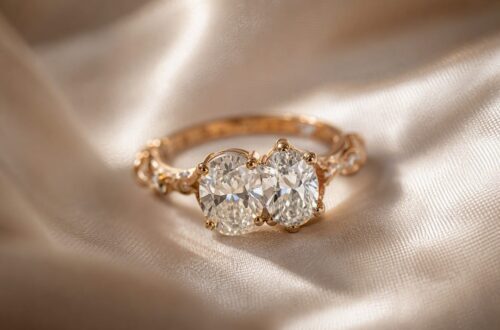
The center stone is defined as the primary gemstone in an engagement ring, serving as its visual focal point and the symbol of a couple’s commitment. The role of center stone in an engagement ring goes far beyond decoration. It sets the ring’s character, drives its value, and carries the emotional weight of the moment. Diamonds are the most common choice, prized for their brilliance and durability, but sapphires, emeralds, and rubies are gaining ground as meaningful alternatives. Understanding what makes a center stone work, from quality factors to setting styles, gives you the confidence to choose a ring that truly tells your story.
How do the 4cs shape the center stone’s beauty?
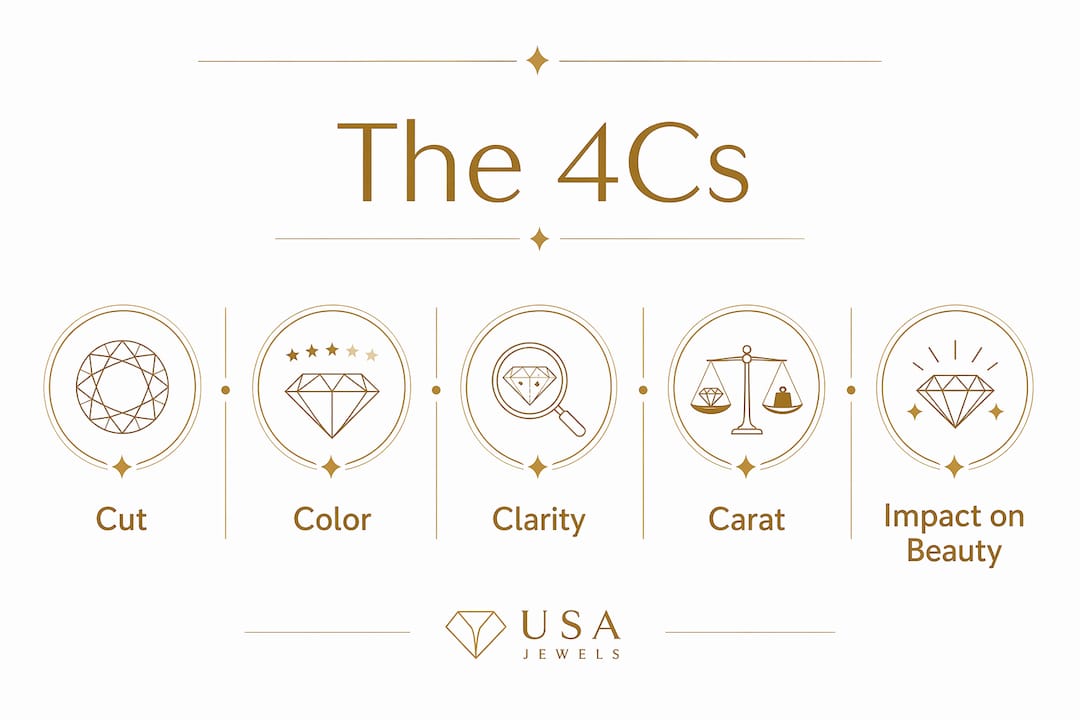
The 4Cs, defined by the Gemological Institute of America (GIA) as cut, color, clarity, and carat weight, are the universal framework for evaluating diamond quality. Each factor affects how your center stone looks and what it costs. Knowing how they interact helps you make a smarter choice.
Cut is the single most important factor. GIA confirms that an expertly cut diamond appears brilliant even with lower color or clarity grades, while a poorly cut stone looks dull regardless of its other qualities. Cut controls how light enters, bounces inside, and exits the stone. That light performance is what creates the sparkle you see across a room.
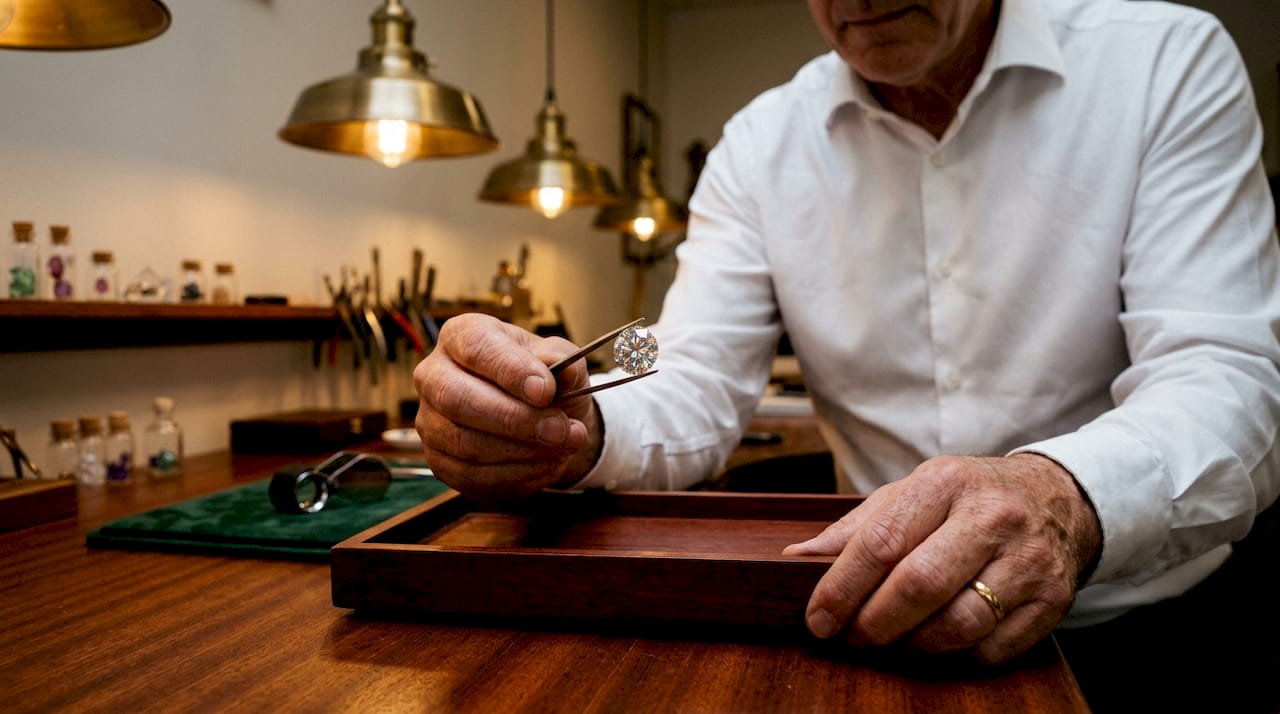
Well-cut round brilliant diamonds produce vivid fire, which are the spectral color flashes you see when the stone moves, along with strong brilliance and scintillation. Two diamonds with identical carat weight and color can look completely different because of cut proportions and facet symmetry. This is the detail most shoppers miss.
Color refers to the presence or absence of yellow or brown tints in white diamonds. The GIA grades color from D (colorless) to Z (light yellow). Stones in the D–F range are the most prized, but G–H grades appear nearly colorless to the naked eye and cost significantly less.
Clarity measures internal inclusions and surface blemishes. Most inclusions are invisible without magnification. VS1–VS2 grades offer excellent value because the stone looks clean to the eye even though it is not technically flawless.
Carat weight measures the stone’s mass, not its size. A balanced trade-off among the 4Cs tailored to your budget typically yields better perceived beauty than chasing carat weight alone. Prioritizing cut and then carat over color and clarity often produces a more visually satisfying stone at a given price point.
| The 4Cs | What It Measures | Impact on Beauty | Budget Priority |
|---|---|---|---|
| Cut | Light performance and proportions | Highest: controls brilliance and fire | Spend most here |
| Color | Presence of yellow or brown tint | High: visible in larger stones | G–H is sweet spot |
| Clarity | Internal inclusions and blemishes | Moderate: most inclusions invisible | VS2 offers best value |
| Carat Weight | Mass of the stone | Moderate: affects size perception | Balance with cut |
Pro Tip: If your budget is fixed, choose a slightly smaller carat weight with an Excellent or Ideal cut grade. A smaller, well-cut stone outshines a larger, poorly cut one every time.
What are the most popular center stone types and shapes?
The center stone’s type and shape define the ring’s personality. Natural diamonds remain the top choice, but the market has expanded considerably. Understanding your options helps you find a stone that feels right for you, not just one that follows convention.
Natural and lab-created diamonds
Natural diamonds form over billions of years underground and carry a sense of geological rarity. Lab-created diamonds have identical chemical and physical properties to natural diamonds but generally cost less and are ethically sourced. They offer the same brilliance and durability with a smaller environmental footprint. For many couples, lab diamonds represent a practical and principled choice.
Colored gemstones as center stones
Sapphires, emeralds, and rubies bring color, personality, and symbolism to an engagement ring. Sapphires score 9 on the Mohs hardness scale, making them durable enough for daily wear. Emeralds score 7.5–8 and require more careful handling. Rubies, like sapphires, are corundum and score 9. Each gemstone carries its own meaning. Sapphires represent loyalty, rubies symbolize passion, and emeralds are associated with growth and renewal.
| Gemstone | Hardness (Mohs) | Color Range | Durability for Daily Wear |
|---|---|---|---|
| Diamond | 10 | Colorless to fancy colors | Excellent |
| Sapphire | 9 | Blue, pink, yellow, white | Excellent |
| Ruby | 9 | Red to pinkish-red | Excellent |
| Emerald | 7.5–8 | Green | Good with care |
| Morganite | 7.5–8 | Peach to pink | Good with care |
Common center stone shapes
Shape is one of the most personal decisions in the entire ring selection process. The round brilliant is the most popular diamond shape due to its exceptional sparkle, but alternative shapes offer distinct style statements:
- Round brilliant: Maximum sparkle, timeless and universally flattering
- Princess: Square with sharp corners, modern and geometric
- Cushion: Rounded corners with a soft, romantic feel
- Oval: Elongates the finger, offers excellent brilliance
- Emerald: Rectangular with step-cut facets, elegant and understated
- Pear: Teardrop shape, unique and eye-catching
Shape choice should complement the wearer’s hand and personal style. An oval or pear shape can make fingers appear longer, while a cushion or round shape suits a classic aesthetic.
How does the setting style influence the center stone?
The setting is not just a frame. It determines how much light reaches the stone, how secure it is, and how the overall ring looks on the hand. Side stones and metal choice contribute to the overall design, but the setting’s primary job is to showcase the center stone at its best.
Common setting types and their effects
Prong setting: Four or six metal claws hold the stone, allowing maximum light exposure from all angles. This setting shows off the stone’s full size and brilliance. It requires periodic checks to make sure the prongs stay tight.
Bezel setting: A metal rim wraps around the stone’s girdle, holding it securely. This setting offers the most protection, making it ideal for active lifestyles. The trade-off is slightly reduced sparkle because less light enters from the sides.
Halo setting: A ring of smaller accent diamonds surrounds the center stone. Halo and pavé settings enhance the center stone’s apparent size and brilliance, though they require more maintenance to keep accent stones secure.
Pavé setting: Tiny diamonds set closely along the band create a continuous sparkle effect. This setting pairs beautifully with most center stone shapes and adds visual weight without increasing the center stone’s carat size.
Tension setting: The metal band’s pressure holds the stone in place, creating the illusion that the stone floats. This is a bold, modern choice that maximizes light exposure but requires professional resizing.
Pro Tip: If you work with your hands or lead an active lifestyle, a bezel or low-profile prong setting protects the center stone far better than a high-set prong or tension setting. Beauty and practicality should work together.
Why does personalizing your center stone choice matter?
Choosing a center stone that reflects the recipient’s personality and preferences creates a deeply meaningful ring. The significance of center stone selection goes beyond aesthetics. It tells a story about who you are as a couple.
Personalization takes many forms:
- Birthstone as center stone: A sapphire for September, a ruby for July, or an emerald for May connects the ring to the wearer’s identity in a specific, personal way.
- Favorite color: A pink morganite or a teal Montana sapphire can reflect a personality that a white diamond simply cannot.
- Custom cut or shape: Working with a jeweler to select a specific stone shape that suits the wearer’s hand and style makes the ring feel designed rather than selected.
- Complementary side stones: Pairing a center diamond with colored sapphire side stones, or flanking a sapphire with diamond baguettes, creates a composition that feels intentional and unique.
- Metal choice: Yellow gold warms a champagne diamond. White gold or platinum makes a colorless diamond appear icier and brighter. Rose gold flatters pink and peach stones beautifully.
Engraving the band with a date, initials, or a short phrase adds another layer of meaning. The center stone anchors the ring’s story, but every surrounding detail deepens it. When you approach the ring as a whole composition rather than a single stone purchase, the result feels genuinely personal.
Key takeaways
The center stone defines an engagement ring’s beauty, value, and meaning, making cut quality and personal alignment the two most critical factors in any selection.
| Point | Details |
|---|---|
| Cut quality is paramount | Prioritize Excellent or Ideal cut grades above all other quality factors for maximum brilliance. |
| 4Cs require balance | Trade off color and clarity before sacrificing cut or meaningful carat size for your budget. |
| Shape reflects personality | Choose a stone shape that flatters the wearer’s hand and matches their personal style. |
| Setting affects performance | Match the setting type to both the stone shape and the wearer’s daily lifestyle for best results. |
| Personalization adds meaning | Birthstones, custom shapes, and complementary metals transform a ring into a one-of-a-kind symbol. |
What i’ve learned after years of watching couples choose center stones
Most shoppers walk in focused on carat weight. They want the biggest stone their budget allows. I understand the instinct. Size is visible. Size is easy to compare. But carat weight without cut quality is a trade you will regret every time the ring sits under a light and does nothing.
The most striking rings I have seen are not the largest. They are the best cut. A 1.0-carat Excellent-cut round brilliant outperforms a 1.4-carat Good-cut stone in every lighting condition. That difference is visible to anyone, not just gemologists.
The other mistake I see regularly is treating the setting as an afterthought. Customers often undervalue setting style in relation to the center stone’s visual impact. The right setting can maximize the stone’s brilliance and protect it effectively. A beautiful stone in the wrong setting loses both sparkle and security.
My honest advice: spend the first half of your budget on cut quality, then decide on shape, then size. Let the setting serve the stone rather than compete with it. And finally, do not ignore what the stone means to the person wearing it. A ring that reflects her personality will matter more at year twenty than one that simply checked a size box at the time of purchase.
— Joseph
Find your perfect center stone at Usajewels
Usajewels has been helping couples find meaningful, well-crafted engagement rings since 1999. As a family-owned business with in-house manufacturing, we cut out the middlemen so you get direct pricing on hand-selected, conflict-free diamonds and gemstones.
Whether you are drawn to a classic natural diamond or a responsibly grown lab-created stone, our team walks you through every quality factor so you choose with confidence. You can browse our full collection of fine diamond jewelry or work with us to design a completely custom ring from the center stone out. With lifetime diamond upgrades and over 222 five-star Google reviews, we stand behind every piece we create. Your ring should tell your story. We are here to help you tell it well.
FAQ
What is the role of center stone in an engagement ring?
The center stone is the primary gemstone and focal point of an engagement ring. It defines the ring’s visual character, drives its value, and symbolizes the couple’s commitment.
Why is cut the most important of the 4cs for a center stone?
Cut controls light performance, which determines how brilliant and fiery a diamond appears. A well-cut stone outshines a larger, poorly cut stone in virtually every lighting condition.
Are lab-created diamonds a good choice for a center stone?
Yes. Lab-created diamonds are chemically and physically identical to natural diamonds, offer the same durability and brilliance, and typically cost less while being ethically sourced.
What center stone shape is most popular for engagement rings?
The round brilliant is the most popular shape because it produces the most sparkle. Princess, cushion, and oval cuts are strong alternatives that offer distinct style and personality.
How does the setting affect the center stone’s appearance?
The setting controls how much light reaches the stone and how secure it stays during daily wear. A prong setting maximizes brilliance, while a bezel setting prioritizes protection, making setting choice as personal as the stone itself.
Recommended
- Ring Guide: Engagement Settings & Styles | USA Jewels
- Engagement Ring Buying Guide: How to Choose the Perfect Ring | USA Jewels
- Diamond Shapes Guide: Every Shape Compared | USA Jewels
- USA Jewels: Halo Gemstone Rings – Diamond Jewelers & Luxury Cra

Deep Mehta is the Co-Owner of USA Jewels, a family-owned jewelry business she has led since 2013 in Deerfield Beach, Florida. With over 13 years of hands-on experience in fine jewelry retail, manufacturing, and diamond importing, Deep specializes in engagement rings, wedding bands, and custom jewelry design. She also co-manages Kaash Group Talent Acquisition. Deep is a University of Florida graduate and oversees every aspect of USA Jewels’ operations, from product development to marketing.
Frequently Asked Questions
Should I prioritize a larger carat weight or a better cut for my center stone?
What color and clarity grades offer the best value for a diamond center stone?
Why does a round brilliant cut sparkle more than other diamond shapes?
Can I use a gemstone other than a diamond as my center stone?
How do I know if a center stone's cut quality is actually excellent?
Fine Jewelry Collection


You May Also Like
Promise Ring vs Engagement Ring: What’s the Real Difference?
Last Minute Custom Jewelry Ordering: Your 2026 Guide