Safety Clasps for Children’s Fine Jewelry: A Parent’s Guide
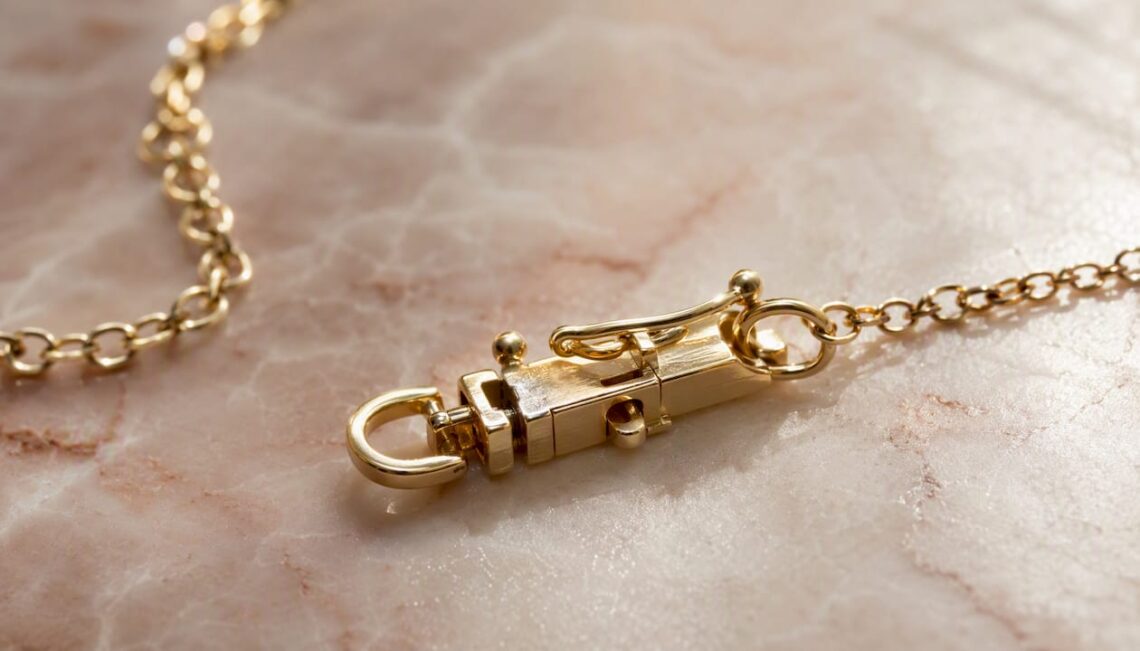
For fine children’s jewelry, a box clasp with a figure-8 safety catch or a high-quality lobster clasp best prevents loss. These two options lead the field when the piece has real value. Magnetic clasps are acceptable for lightweight charm bracelets worn casually; toggle clasps work when single-handed ease matters more than maximum security.
Quick picks by jewelry type:
- Pendant necklace: Box clasp with figure-8 safety catch, or lobster clasp with a safety chain
- Tennis or fine bracelet: Box clasp with secondary safety catch
- Slim gold chain: Barrel/screw clasp or high-quality lobster clasp
- Lightweight charm bracelet: Toggle or magnetic clasp (light pieces only)
Pro Tip: If you’re gifting a fine piece to a child, ask Usajewels to add a safety chain at the time of purchase. It costs little and keeps the piece on if the main clasp ever fails.
Key Takeaways
For fine children’s jewelry, a box clasp with a figure-8 safety catch is the most secure option, and adding a safety chain to any high-value piece provides a reliable second line of defense against loss.
| Point | Details |
|---|---|
| Most secure clasp type | Box clasp with figure-8 safety catch; use on tennis bracelets and fine necklaces. |
| Safety chain add-on | A safety chain keeps a piece on if the main clasp fails; recommended for all high-value gifts. |
| Age-matched choices | Children under 10 need adult-managed clasps; ages 11 and up can manage lobster or box clasps. |
| Hypoallergenic materials | Choose solid 14K yellow gold, platinum, titanium, or 316L steel; avoid nickel-containing alloys. |
| Usajewels service | In-house manufacturing since 1999; request a free clasp assessment or safety chain addition on any piece. |
Table of Contents
- Why the clasp matters: security and wearability in balance
- A clasp-by-clasp security guide for fine jewelry
- How to choose the right clasp for a child’s jewelry
- Replacing or upgrading a clasp: what to expect in the U.S.
- Care and inspection routine to prevent loss
- Safety considerations specific to children during active wear
- Age-appropriate clasp recommendations by child age group
- Hypoallergenic and skin-safe clasp materials for children
- Usajewels: fine jewelry built with security in mind
- A note from Joseph on protecting what matters
- Sources
- FAQ
Why the clasp matters: security and wearability in balance
The role of a jewelry safety clasp for children comes down to two things: keeping a valuable piece on the body and making it easy enough to wear without frustration. Get only one right, and the piece either gets lost or never gets worn.
Security means the clasp resists accidental opening during active movement. Wearability means the wearer, or a parent helping a child, can fasten and unfasten it without a struggle. These two goals pull in opposite directions. A barrel/screw clasp is nearly impossible to open accidentally, but a young child cannot manage it alone. A toggle clasp snaps on in seconds, but it can work loose on a heavy chain.
The tradeoff by jewelry type:
- Heirloom necklace or pendant: Prioritize security. A box clasp with a figure-8 catch is worth the extra step.
- Daily kids’ charm bracelet: Prioritize ease. A toggle or magnetic clasp reduces the chance the child gives up wearing it.
- Fine gold chain (gift piece): Balance both. A lobster clasp with a safety chain gives security without requiring a jeweler every time.
Pro Tip: For any piece worth more than its sentimental replacement cost, always choose the more secure clasp. You can always add an extender or a helper tool to make fastening easier, but you cannot recover a lost heirloom.
A clasp-by-clasp security guide for fine jewelry
Box clasps with a figure-8 or secondary safety catch are generally regarded as the most secure option for valuable necklaces and bracelets. Barrel/screw clasps follow closely. Here is how the common types compare across the dimensions that matter most to buyers of fine children’s jewelry.
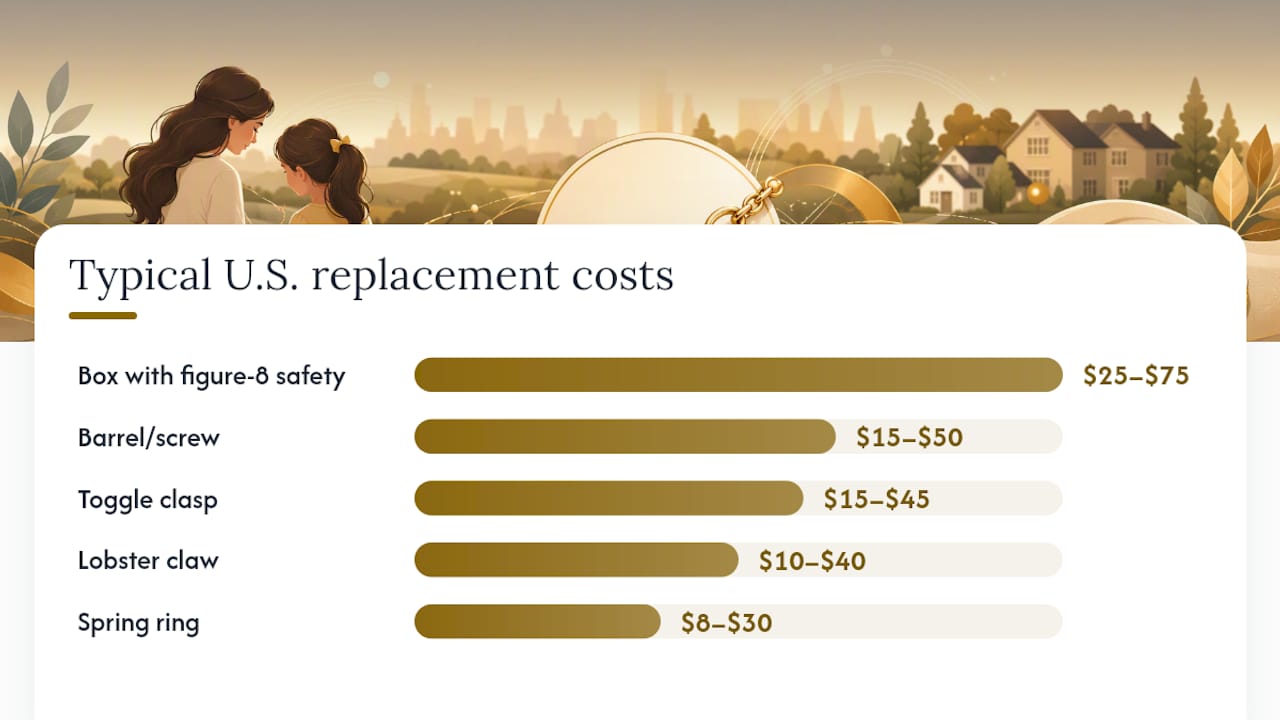
| Clasp Type | Security Level | Ease of Use | Best For | Profile | Typical U.S. Replacement Cost |
|---|---|---|---|---|---|
| Box with figure-8 safety | Very high | Moderate | Tennis bracelets, fine necklaces | Low, flat | $25–$75 |
| Barrel/screw | High | Low (two-handed) | Slim chains, pearl strands | Cylindrical, neat | $15–$50 |
| Lobster claw | High | Moderate | Most necklaces, bracelets | Small, discreet | $10–$40 |
| Spring ring | Medium | Moderate | Light chains, casual necklaces | Very small | $8–$30 |
| Toggle | Medium-low | High (one-handed) | Bracelets, chunky necklaces | Decorative | $15–$45 |
| Magnetic | Low-medium | Very high | Light charm bracelets only | Sleek | $10–$40 |
Magnetic clasps are convenient for light pieces but should be avoided for heavy jewelry and by anyone with an implanted cardiac device such as a pacemaker. For children’s fine jewelry, limit magnetic clasps to the lightest casual pieces. Screw/barrel and push-button designs provide strong mechanical security for slim chains where a low profile matters.
For older children wearing a pendant on a fine chain, a lobster clasp paired with a safety chain is a practical middle ground: secure enough for daily wear, simple enough for a parent to manage. Box clasps are the standard on fine bracelets precisely because they include that secondary catch.
How to choose the right clasp for a child’s jewelry
The right choice depends on four factors: the piece’s value, the chain weight, the child’s age and dexterity, and any skin sensitivities. Work through this checklist before ordering or visiting a jeweler.
Clasp selection checklist:
- Security tier: Is this piece irreplaceable or high-value? Choose box with figure-8 or lobster with safety chain.
- Dexterity test: Can the child (or a helping adult) fasten it in under 10 seconds? If not, consider a toggle or magnetic for lighter pieces.
- Metal match: Does the clasp metal match the piece? Mismatched metals wear unevenly and look wrong.
- Hypoallergenic finish: For sensitive skin, specify 14K gold, platinum, titanium, or 316L surgical steel. Avoid nickel-plated findings.
- Weight compatibility: A heavy clasp on a delicate chain stresses the links. Match clasp weight to chain gauge.
Red flags that a clasp is unsuitable for a child:
- The spring feels loose or the lever does not click firmly into place.
- The clasp body is bulky enough to catch on clothing or hair.
- The metal is plated rather than solid, meaning it will wear through at the contact points.
- A magnetic clasp is being used on a chain heavier than a light charm bracelet.
Toggle clasps are often easier to fasten single-handed, making them a practical bracelet choice when wearer dexterity is the priority, though they score lower on security than box or barrel clasps. For guidance on age-appropriate jewelry design and fit, Usajewels’s blog covers these decisions in detail.
Pro Tip: When ordering custom work, ask specifically for a “box clasp with figure-8 safety” by name. Generic requests for “a secure clasp” sometimes result in a standard lobster, which offers less protection for high-value pieces.
Replacing or upgrading a clasp: what to expect in the U.S.
Most clasp replacements on fine pieces are completed within a few days to a week at a reputable jeweler. The cost is a modest fraction of the piece’s value in most cases, though several factors push the price higher.
Typical U.S. cost ranges for common upgrades:
- Lobster clasp replacement: $10–$40 for the hardware, plus $15–$30 labor
- Box clasp installation (with soldering): $25–$75 hardware, $20–$50 labor
- Adding a safety chain to an existing piece: $20–$60 depending on metal and length
- Re-plating after clasp work: $30–$80 additional
Soldering adds cost but also adds permanence. A soldered join on a box clasp will not work loose over years of wear the way a simple crimp or jump-ring attachment can. For heirloom pieces or anything gifted to a child who will wear it regularly, soldering is worth the extra expense.
The jeweler’s process, step by step:
- Assessment: The jeweler examines the existing clasp, chain links near the join, and the overall piece condition.
- Metal match: They select a replacement clasp in the same metal type and karat to prevent galvanic corrosion and color mismatch.
- Fitting and soldering: The new clasp is attached, soldered if appropriate, and the join is cleaned and polished.
- Quality test: The jeweler tests the clasp action multiple times and checks that the safety catch engages firmly.
Replace a clasp when it pops open unexpectedly, feels loose, or the internal lever sticks. Wearing a failing clasp on a valuable piece is the most common reason fine jewelry is lost. The jewelry repair guide at Usajewels covers timelines and what to bring to an assessment.
Care and inspection routine to prevent loss
Inspect clasps regularly for looseness, corrosion, and worn springs. A two-minute check every few weeks catches problems before a piece disappears.
Inspection checklist:
- Lever action: Does the clasp open and close with a firm, clean click?
- Tongue engagement: Does the tongue seat fully into the box with no wobble?
- Safety latch: Does the figure-8 or secondary catch engage without prompting?
- Spring tension: Does the spring ring or lobster spring feel tight, or has it softened?
- Chain links near the clasp: Are any links stretched, bent, or showing wear at the join?
Storage and wear tips:
- Store pieces flat in a lined box or soft pouch to avoid stress on the clasp join.
- Remove fine jewelry before active play, swimming, or contact sports.
- Keep pieces away from lotions and chlorine, which accelerate spring corrosion.
Pro Tip: After any clasp repair or replacement, test the new clasp by gently tugging the chain in opposite directions several times before the child wears it. A properly soldered and fitted clasp will not give. If it does, return it to the jeweler immediately.
Proper jewelry storage extends clasp life significantly by reducing the metal fatigue that causes springs to weaken over time.
Safety considerations specific to children during active wear
Children move differently than adults, and clasps that perform well on a dresser or at a formal event can fail during a school day. The two main risks are a clasp working open during active play and small clasp components becoming a choking hazard if a piece breaks.
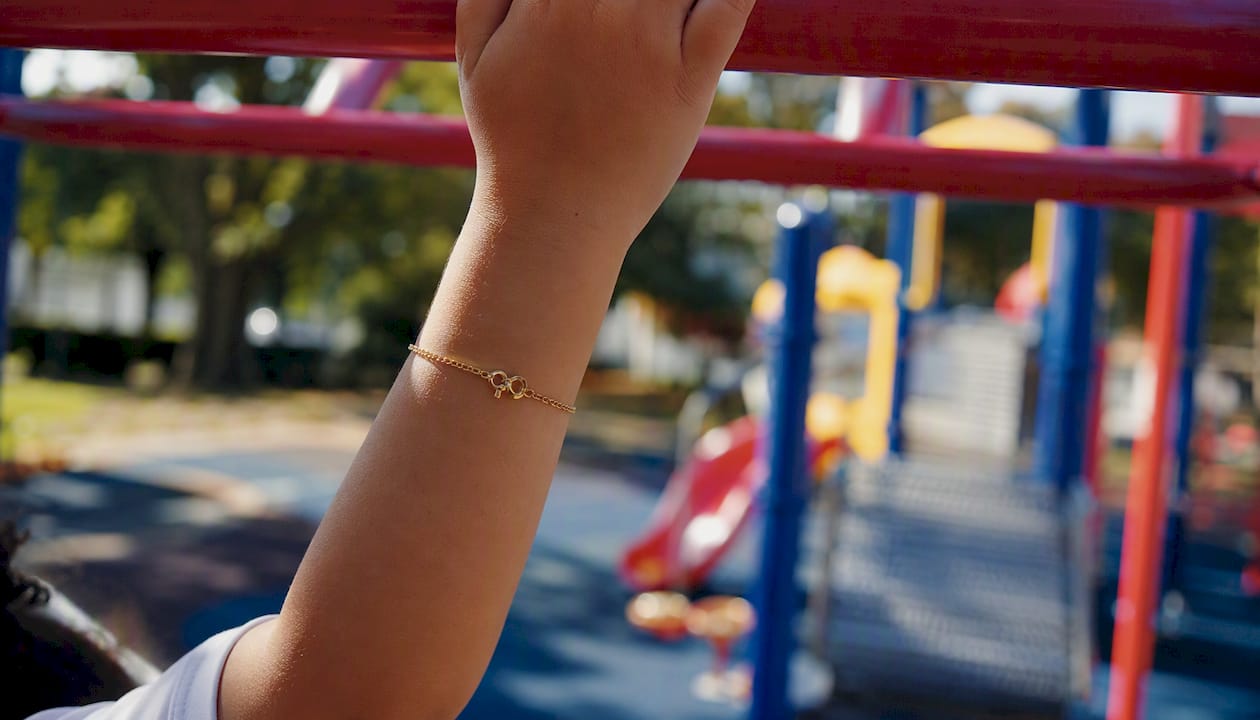
For children under eight, avoid clasps with small, detachable parts. A barrel/screw clasp that comes fully unscrewed, for example, leaves a small cylinder that can be swallowed. Box clasps with a fixed figure-8 catch stay in one piece even if the tongue disengages. Lobster clasps, when properly sized, also stay intact.
Supervision matters as much as clasp choice for younger children. Fine jewelry is generally more appropriate for special occasions than for daily school wear, where the combination of active movement and inattention raises loss risk considerably.
Age-appropriate clasp recommendations by child age group
Clasp choice should match the child’s age, dexterity, and how the piece will be worn. For age-appropriate jewelry guidance across different developmental stages, Usajewels’s resources offer practical detail.
By age group:
- Ages 3–6: Fine jewelry is best reserved for special occasions with adult supervision. If worn, choose a box clasp with a fixed safety catch and ensure an adult fastens and removes the piece every time.
- Ages 7–10: Children begin developing the dexterity to manage a lobster clasp with help. A toggle clasp on a bracelet is often the most practical choice for this age.
- Ages 11–14: Most children can manage a lobster or box clasp independently. This is the age where a higher-security clasp becomes both practical and appropriate for a fine gift piece.
- Ages 15 and up: Adult clasp types are fully appropriate. Box clasps with figure-8 catches on fine bracelets and lobster clasps on necklaces are the standard recommendation.
Hypoallergenic and skin-safe clasp materials for children
Children’s skin tends to be more reactive than adult skin, and the clasp is the point of most sustained metal contact on a necklace or bracelet. For sensitive skin, titanium, niobium, and 316L stainless steel are widely recommended because nickel allergy is common, particularly in children.
Solid 14K or 18K gold clasps are a reliable choice for fine pieces. The alloy composition matters: white gold often contains nickel, so yellow gold or rose gold in 14K is a safer default for a child with unknown sensitivities. Platinum clasps are hypoallergenic and extremely durable, though they carry a higher price point.
Avoid silver-plated or gold-plated clasps on children’s jewelry. The plating wears through at contact points, exposing the base metal underneath, which is frequently a nickel alloy. A solid metal clasp costs more upfront but eliminates that risk entirely. For a full breakdown of safe metals for children’s jewelry, Usajewels’s guide covers the most common options and what to ask for at the counter.
Usajewels: fine jewelry built with security in mind
Usajewels has been a family-owned, in-house manufacturer since 1999, which means every clasp on a piece we make is selected and fitted by the same hands that built the jewelry. There are no middlemen deciding on hardware quality. When you order a fine necklace or bracelet from our fine jewelry collection, you can specify the clasp type, request a safety chain, and choose the metal to match your piece exactly.
Our lifetime diamond upgrade program and repair services mean you are never left managing a failing clasp alone. Bring any piece in for a free clasp assessment, or ship it to us for evaluation. Over 222 Google reviews reflect the trust families have placed in us for gifts, heirlooms, and everyday fine jewelry. Contact Usajewels today to request your clasp assessment or browse our collections to find a piece built to last.
A note from Joseph on protecting what matters
Security-first is the only sensible approach when a fine piece is going on a child’s wrist or neck. The clasp is the single point of failure on any necklace or bracelet, and it is the one component most buyers never think to specify.
What I find parents and gift-givers consistently underestimate is how quickly a worn spring or a loose tongue becomes a lost piece. The inspection routine in this guide takes two minutes. The clasp upgrade at a jeweler takes a few days. Neither is a burden compared to losing something irreplaceable.
Usajewels has been manufacturing fine jewelry in-house since 1999, and our team has guided thousands of families through exactly these decisions. If you are unsure which clasp is right for the piece you have in mind, reach out for a free assessment. We would rather spend ten minutes helping you choose correctly than see a beautiful piece lost.
Sources
- Types of Jewelry Clasps: A Complete Guide for Jewelry Designers
- 10 Common Types Of Jewelry Clasps – HN Wholesale
- How To Use A Safety Chain | Kernowcraft
- 12 Types of Jewelry Clasps Compared — SageStone
FAQ
What is the most secure clasp for a child’s fine necklace?
A box clasp with a figure-8 or secondary safety catch is the most secure option for fine necklaces. Pairing it with a safety chain adds a second layer of protection for high-value or sentimental pieces.
Are magnetic clasps safe for children’s jewelry?
Magnetic clasps are suitable only for lightweight charm bracelets and should not be used on heavy chains. They should be avoided entirely for children with implanted cardiac devices.
How much does a clasp replacement cost in the U.S.?
A lobster clasp replacement typically runs $25–$70 including labor; a box clasp installation with soldering ranges from $45–$125. Costs vary by metal type, jeweler, and whether re-plating is needed.
When should I replace a clasp on a child’s jewelry?
Replace a clasp if it pops open unexpectedly, feels loose, or the lever sticks. A jeweler should assess and fit a properly matched, soldered replacement rather than continuing to wear a failing clasp.
What clasp metals are safest for children with sensitive skin?
Solid 14K yellow gold, platinum, titanium, niobium, and 316L surgical steel are the safest choices. Avoid nickel-containing alloys and plated findings, which wear through and expose reactive base metals.
Recommended
- Safe Jewelry Metals for Children: A Parent’s Guide
- Adjustable Ring Children Jewelry: A Parent’s Safety Guide
- Affordable Gold Jewelry for Kids: A Parent’s Guide
- Handcrafted vs. Mass-Produced Children’s Jewelry Guide

Deep Mehta is the Co-Owner of USA Jewels, a family-owned jewelry business she has led since 2013 in Deerfield Beach, Florida. With over 13 years of hands-on experience in fine jewelry retail, manufacturing, and diamond importing, Deep specializes in engagement rings, wedding bands, and custom jewelry design. She also co-manages Kaash Group Talent Acquisition. Deep is a University of Florida graduate and oversees every aspect of USA Jewels’ operations, from product development to marketing.
Fine Jewelry Collection


You May Also Like
Handcrafted vs. Mass-Produced Children’s Jewelry Guide
10 Engagement Ring Design Mistakes to Avoid