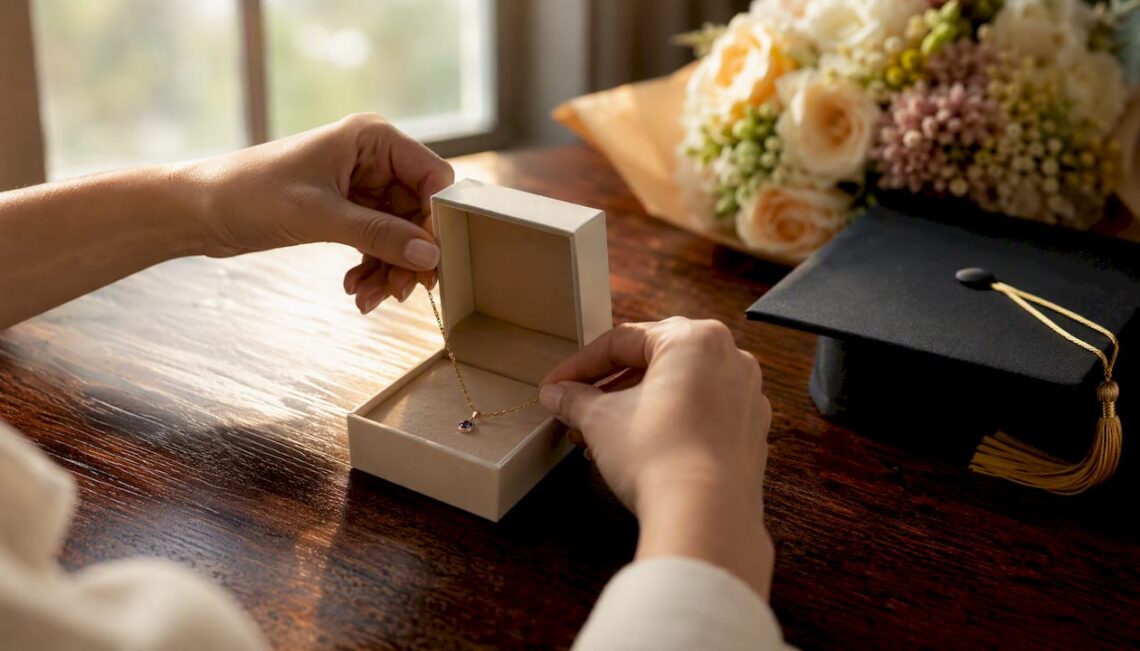
What Graduation Jewelry Symbolizes: A Gift-Giver’s Guide
Graduation jewelry symbolizes achievement, personal transition, and a lasting memory that the graduate carries forward long after the ceremony ends. A well-chosen piece marks the moment someone closes one chapter and steps into the next, serving as a wearable reminder of how far they have come. Authorities like the GIA document the deep symbolic histories behind gemstones used in milestone gifts, while the Gem Society maps birthstones to personal meaning. At Usajewels, we see this every season: the right piece, chosen with care, becomes a keepsake that outlasts every other gift on the table.
Key Takeaways
Graduation jewelry earns its lasting significance through intentional personalization, durable materials, and the story told at the moment of giving.
| Point | Details |
|---|---|
| Symbolism drives value | Jewelry marks achievement, transition, identity, and memory in ways no other gift category matches. |
| Match type to lifestyle | Daily-wear pieces need Mohs 7+ stones and durable metals; keepsake pieces can prioritize beauty. |
| Personalize with purpose | One well-chosen engraving, birthstone, or motif carries more meaning than multiple competing details. |
| Present with a story | A short written or spoken note at the moment of giving is what turns a gift into an heirloom. |
| Usajewels for custom pieces | In-house manufacturing and ethical sourcing make Usajewels a trusted source for personalized graduation gifts at direct pricing. |
Table of Contents
- Why graduation jewelry carries such deep meaning
- Common types of graduation jewelry and what each communicates
- How personalization increases the significance of a graduation gift
- How to choose the right graduation piece
- Materials, gemstones, and care that preserve meaning over time
- Price guide and gifting etiquette
- How to present, record, and preserve the meaning
- Where graduation jewelry traditions come from
- What specific motifs and gemstones mean in graduation jewelry
- How graduation jewelry affects recipients and family traditions
- An honest perspective on what makes a graduation gift last
- Graduation jewelry for milestone gifts: what Usajewels offers
- Sources
- FAQ
Why graduation jewelry carries such deep meaning
Four symbolic roles explain why jewelry resonates so strongly at graduation, more than a gift card or a gadget ever could:
- Achievement marker. A tangible object anchors an intangible accomplishment. Wearing it later recalls the effort, not just the date.
- Rite-of-passage signal. Across cultures, jewelry has long marked transitions, from coming-of-age ceremonies to military commissions. Graduation fits naturally into that tradition.
- Identity and affiliation. A class ring or alma mater charm announces belonging. It says, “I earned this, and I am proud of where I came from.”
- Memory and provenance. Unlike a dinner out or a cash gift, jewelry holds a story. Decades later, the graduate can point to it and say exactly who gave it and why.
Personalization deepens every one of these roles. An engraved date or a birthstone chosen for the graduate’s birth month transforms a beautiful object into their object. The American Gem Society notes that cultural associations with gemstones have long shaped how people assign emotional meaning to stones, a tradition that gift-givers tap into whether they realize it or not. Research on meaningful versus trendy gifting consistently finds that permanence and personal resonance are what make a gift memorable years later.
Pro Tip: Match the symbolic theme to the graduate’s next chapter. A stone associated with wisdom suits a doctoral graduate; one tied to new beginnings fits a high school senior heading off to college.
Common types of graduation jewelry and what each communicates
Different pieces send different signals. Choosing the right form matters as much as the material.
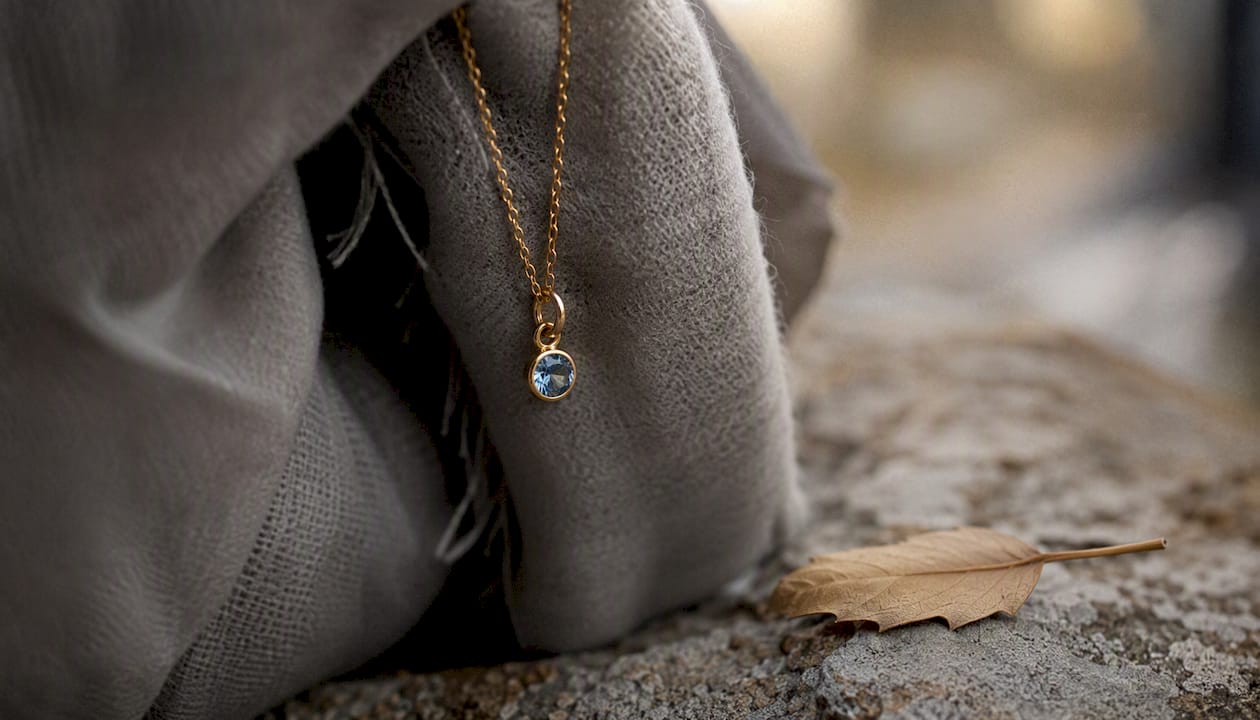
Necklaces and pendants sit close to the heart and stay visible throughout the day. A gold chain with a small pendant, an initial, or a birthstone gem works as an everyday reminder without feeling formal. This is the most versatile category for any gender and any graduation stage.
Rings, including class rings, carry the strongest milestone-marking tradition. A class ring announces institutional pride; a simple gold band or signet ring signals a more personal milestone. Rings are high-visibility and tend to prompt the most conversation.
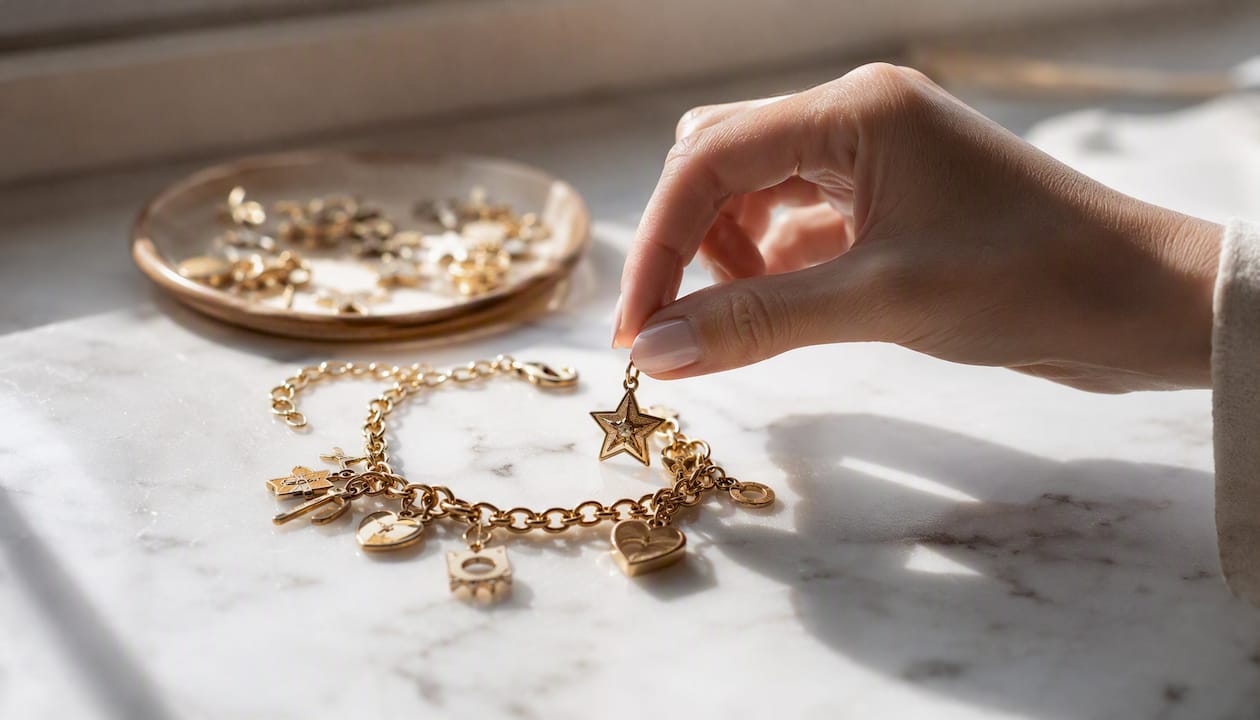
Bracelets and charm bracelets offer ongoing personalization. A graduate can add charms over time, making the piece a living record of achievements rather than a single frozen moment.
Earrings are understated and practical. Pearl studs, in particular, carry a long history of being passed from one generation to the next, a tradition the Gem Society traces to pearls’ associations with purity and memory.
Watches sit at the intersection of jewelry and utility. They signal that the graduate’s time now has real value, a message that lands especially well at college or professional-school graduations.
How personalization increases the significance of a graduation gift
Personalization is what separates a beautiful piece from a meaningful one. The most common options, and why each works:
- Engraving. A graduation date, a short phrase (“Go further”), or the graduate’s initials turns any metal surface into a private message. Keep it under 25 characters so the text stays legible on smaller pieces.
- Birthstones. Each month’s stone carries a recognized symbolic association. The Gem Society’s birthstone guide is a reliable reference for matching stone to month and meaning.
- Alma mater symbols. A school crest charm or a pendant in school colors ties the piece directly to the institution, a detail that matters more as years pass.
- Coordinates. The GPS coordinates of the campus, hometown, or graduation venue engraved inside a ring or on a pendant add a layer of meaning that only the wearer fully understands.
- Custom charms. A stethoscope charm for a nursing graduate, a gavel for a law school grad, or a book for an English major makes the piece specific to this person’s story. See personalized jewelry gift ideas for practical examples.
Pro Tip: On delicate pendants or small rings, one well-chosen personalization element reads more elegantly than three competing ones. Pick the detail that carries the most weight and let the craftsmanship do the rest.
How to choose the right graduation piece
A thoughtful choice comes down to five questions answered in the right order:
- Daily wear or special occasion? A piece worn every day needs a durable metal and a stone with a Mohs hardness of 7 or above. A keepsake worn occasionally can prioritize beauty over toughness.
- Which metal fits the graduate’s lifestyle? Gold (yellow, white, or rose) is classic and holds value. Platinum is the most durable. Sterling silver is budget-friendly but needs regular polishing. Titanium suits active lifestyles and is hypoallergenic. Review the precious metals guide for a full durability comparison.
- What is the graduate’s stone preference? Some people avoid colored stones; others love them. When buying as a surprise, a birthstone is a safe, personal default.
- How do you confirm ring size discreetly? Borrow a ring they already wear, trace it on paper, or ask a sibling. Most jewelers can resize after the fact, but getting close saves time.
- Does personalization need lead time? Engraving typically adds a few business days. Order early, especially around May and June when graduation-season demand peaks.
Red flags to avoid: heavily plated pieces marketed as “gold-filled” without a karat stamp, clip-on earrings for adults (they rarely stay comfortable), and ultra-trendy motifs that may feel dated within a few years.
For style-matching guidance, the how to choose jewelry for occasions guide walks through matching piece type to personality and setting.
Materials, gemstones, and care that preserve meaning over time
The piece needs to last as long as the memory. Here is what to know before buying:
Metals: Gold (10k, 14k, or 18k) resists tarnish and holds its finish for decades. Platinum is denser and more scratch-resistant. Sterling silver (92.5% pure) is beautiful but requires more care. Titanium is nearly indestructible and lightweight.
Gemstone hardness matters for daily wear. Diamonds (Mohs 10), sapphires (9), and rubies (9) handle everyday contact well. Pearls (2.5–4.5) and opals (5.5–6.5) are softer and need gentler handling. GIA’s opal research documents opal’s cultural associations with creativity and transformation, making it a resonant choice for graduates entering creative fields, though it warrants careful storage.
Lab-grown vs. natural diamonds: Lab-grown stones are chemically identical to mined diamonds and typically cost less, making them a strong option for budget-conscious buyers who want genuine diamond quality. Both can carry GIA or AGS certification.
| Stone | Symbolic association | Care note |
|---|---|---|
| Pearl | Purity, memory, generational legacy | Wipe after wearing; store separately from harder stones |
| Sapphire | Wisdom, loyalty | Mohs 9; safe for daily wear with standard cleaning |
| Turquoise | Protection, transition | Avoid water and chemicals; Mohs 5–6 |
| Opal | Creativity, change | Keep away from dry heat; Mohs 5.5–6.5 |
| Ruby | Passion, courage | Mohs 9; excellent durability for active wearers |
Care basics:
- Store pieces individually in soft pouches to prevent scratching.
- Clean gold and platinum with warm water, mild dish soap, and a soft brush.
- Take the piece to a jeweler annually for a prong check if it has a set stone.
- Photograph the piece and keep the receipt or certificate in a digital folder labeled with the graduate’s name and date.
Price guide and gifting etiquette
Gift tier should match the relationship and the milestone, not just the budget.
- Budget-friendly ($25–$100). A birthstone pendant, a simple gold-filled initial necklace, or a charm bracelet. At this tier, personalization carries more weight than the metal. A $25 gift is not too little for a friend or distant relative, especially when paired with a handwritten note that explains the choice.
- Mid-range ($100–$500). Sterling silver or 10k–14k gold pieces with a genuine gemstone or modest diamond accent. This is the sweet spot for parents of high school graduates and close family members of college graduates.
- Investment/keepsake ($500 and up). Fine gold or platinum with a certified diamond or precious stone. Appropriate for parents marking a college or advanced-degree graduation, or for pooled family gifts. A diamond tennis bracelet or a piece from the fine jewelry collection fits this tier well.
Etiquette notes: Parents and grandparents typically give the most substantial pieces. Friends and coworkers stay in the budget-friendly range. Always include a short written note explaining why you chose this particular piece. That note, tucked into the box, often becomes as treasured as the jewelry itself. Timing-wise, giving the gift at a private family moment rather than in a crowd lets the story land properly.
How to present, record, and preserve the meaning
The handover ritual matters almost as much as the piece itself.
- Choose packaging that signals care. A velvet box or a linen pouch communicates that this is not an afterthought. If the piece arrives in a plain bag, transfer it before gifting.
- Write a short note, not just a card. Two or three sentences explaining what the piece represents and why you chose it. Keep it specific: “I chose the sapphire because you’ve always been the wisest person in any room.”
- Say something at the moment of giving. A brief spoken version of the note makes the story stick. You do not need a speech, just one honest sentence.
- Create a provenance record. Photograph the piece, scan the receipt or certificate, and save both in a shared digital folder or a physical envelope kept with important documents.
- Plan for the long term. If the piece is intended as an heirloom, say so explicitly. “This is meant to be passed down” gives the graduate permission to treat it with that level of care.
For surprise gift planning and timing, the custom jewelry gift surprise planning guide covers order timelines and packaging ideas in detail.
Where graduation jewelry traditions come from
The class ring is the oldest formalized graduation jewelry tradition in the United States, originating at West Point in 1835. The practice spread to civilian universities through the late 19th and early 20th centuries as higher education became more accessible. By the mid-20th century, high schools had adopted the tradition, and the ring became a near-universal American graduation symbol.
Globally, the traditions vary. In Scandinavia, graduates receive a distinctive cap rather than a ring, though jewelry gifts from family are common. In parts of Latin America, the quinceañera tradition of gifting a gold bracelet or ring at age 15 parallels the graduation gift in its rite-of-passage function. In Japan, pearl jewelry is a culturally recognized gift for young women entering new life stages, connecting to the pearl’s long association with purity and new beginnings.
What unites these traditions is the impulse to mark a threshold with something permanent. A diploma lives in a frame on a wall. A piece of jewelry travels with the graduate every day.
What specific motifs and gemstones mean in graduation jewelry
Motifs carry their own symbolic vocabulary. An owl signals wisdom and academic achievement. A key suggests new doors opening. A compass points to finding one’s direction. A star or a sun motif speaks to rising potential. These are not arbitrary choices; they are a visual shorthand that the graduate and the giver share.
Gemstones add a second layer. GIA’s gemstone lore research traces how cultures across centuries assigned meaning to stones, meanings that persist in modern gift-giving even when buyers are not consciously aware of the history. Sapphire’s association with wisdom makes it a natural fit for academic milestones. Ruby’s connection to courage suits a graduate heading into a demanding career. Turquoise has carried meanings of protection and safe passage across many cultures, which the GIA’s turquoise history documents in detail, making it a thoughtful choice for a graduate about to relocate or travel.
Pearls occupy a special place in graduation gifting. Their historical association with memory and generational legacy makes them one of the few stones that explicitly signals “this is meant to last beyond you.”
How graduation jewelry affects recipients and family traditions
A piece of jewelry given at graduation tends to do something other gifts do not: it gets worn at the next milestone, too. The necklace a mother gave at high school graduation reappears in college graduation photos. The ring from a grandparent is worn on a first job interview. This layering of associations is how a single gift becomes a family tradition.
The emotional impact on recipients is tied directly to specificity. A generic piece says “I wanted to give you something.” A piece chosen for its stone, its motif, or its engraving says “I thought about who you are and where you are going.” That distinction is what graduates remember and what they describe when they explain the piece to someone who asks about it years later.
Families who establish a graduation jewelry tradition, a particular type of piece or a specific metal that gets passed from one generation to the next, create a shared story that connects graduates across decades. It is one of the most low-effort, high-meaning traditions a family can build.
An honest perspective on what makes a graduation gift last
Most graduation gifts are forgotten within a year. The ones that stay are the ones that were chosen with a specific person in mind, not a general graduate. The most common mistake we see is buying something beautiful without asking whether it matches how the graduate actually lives. A delicate white gold ring given to someone who works with their hands every day will sit in a drawer. A sturdy, well-crafted piece in a metal that suits their lifestyle will be worn for decades.
The second mistake is skipping the story. A piece of jewelry without a story is just an accessory. With a story, it is an heirloom. At Usajewels, our family has been crafting and personalizing fine jewelry since 1999, manufacturing in-house to keep quality high and prices honest. We source our diamonds ethically and offer a lifetime upgrade program because we believe the piece should grow with the person who wears it. The graduation gift guide is a good starting point if you want to see how personalization options translate into real pieces.
Graduation jewelry for milestone gifts: what Usajewels offers
When you want a graduation gift that carries real weight, not just a price tag, Usajewels gives you a direct path to fine, custom jewelry without the traditional jeweler markup. Our in-house manufacturing model means you work directly with the people who make the piece, choosing the metal, the stone quality, and the personalization details yourself.

For a keepsake-tier gift, the fine jewelry collection covers everything from certified diamond pendants to gold chains built to last a lifetime. If you want something distinctive, the black diamond jewelry line offers pieces that stand apart from the expected. Every piece comes from a family that has spent over two decades earning trust, one gift at a time. Browse the collection and find the piece that tells this graduate’s story.
Sources
- GIA: Gemstone lore and research
- The Natural Gemstone Association: Birthstones
- American Gem Society: Healing gemstones and meanings
FAQ
What stone represents graduation?
No single stone is universally designated for graduation, but sapphire (wisdom), pearl (memory and new beginnings), and the graduate’s own birthstone are the most commonly chosen options. The Gem Society’s birthstone guide is a reliable reference for matching month to stone and meaning.
Is jewelry a good graduation gift?
Jewelry is one of the strongest graduation gift categories because it is permanent, personal, and wearable at future milestones. Its value increases when the piece is personalized and presented with a short note explaining the choice.
Is $25 too cheap for a high school graduation gift?
Not at all, provided the relationship fits the tier. A $25 birthstone pendant or a personalized charm is appropriate from a friend, coworker, or distant relative. What matters most at any price point is the personalization and the note that accompanies it.
What are the trending graduation gifts in 2026?
Personalized fine jewelry, particularly initial pendants, birthstone pieces, and engraved gold chains, continues to lead graduation gift searches. Graduates increasingly prefer pieces they can wear daily over decorative keepsakes that stay in a box.
Recommended
- Graduation Jewelry Gift Guide: Meaningful Gifts to Mark the Milestone | USA Jewels
- Jewelry Gift Guides: Find the Perfect Gift for Every Occasion | USA Jewels
- Jewelry Gift Ideas | Earrings, Pendants & More | USA Jewels
- Anniversary Jewelry Guide by Year: Traditional & Modern Gifts | USA Jewels

Deep Mehta is the Co-Owner of USA Jewels, a family-owned jewelry business she has led since 2013 in Deerfield Beach, Florida. With over 13 years of hands-on experience in fine jewelry retail, manufacturing, and diamond importing, Deep specializes in engagement rings, wedding bands, and custom jewelry design. She also co-manages Kaash Group Talent Acquisition. Deep is a University of Florida graduate and oversees every aspect of USA Jewels’ operations, from product development to marketing.
Fine Jewelry Collection


You May Also Like

Conflict-Free Diamond vs Lab Grown: Buyer’s Guide

Top 4 Affordable Custom Jewelry gld.com Alternatives 2026