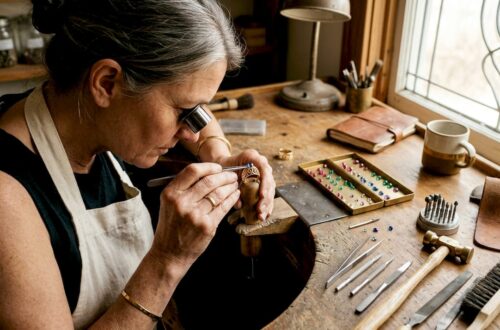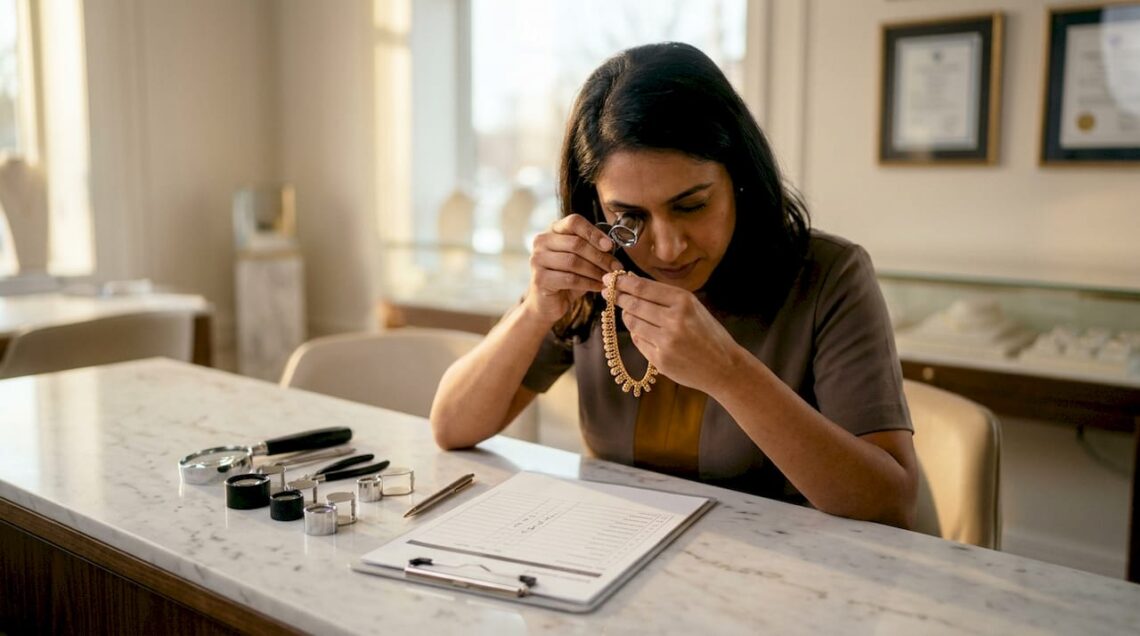
How Jewelry Quality Is Verified in Manufacturing
Jewelry quality verification in manufacturing is a structured, multi-stage process that combines Quality Assurance (QA), Quality Control (QC), and ethical sourcing to confirm that every piece meets standards for authenticity, durability, and craftsmanship. The industry term for this process is “jewelry quality management,” and understanding it helps you buy with confidence rather than guesswork. Standards like ISO 9001 and hallmarking systems form the backbone of how authenticity is confirmed at every production stage. Ethical sourcing and documented provenance are not optional extras. They are core components of any credible jewelry quality assessment.
How jewelry quality is verified in manufacturing: the key stages
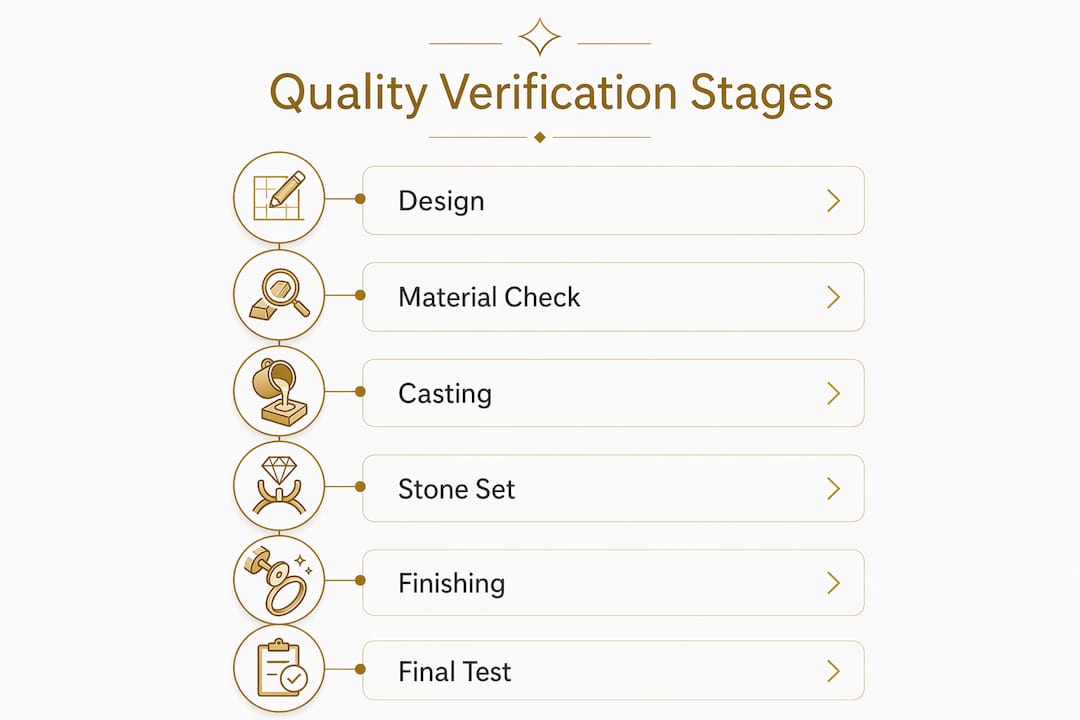
Quality control in jewelry is a lifecycle-wide practice. It starts at the design table and runs through to the moment a piece is packed for shipping. QC activities at every stage catch defects early, before they become expensive or impossible to fix.
1. Design and CAD validation
Every verified piece begins with a validated design. Computer-aided design (CAD) software lets manufacturers check structural integrity before a single gram of metal is melted. Engineers review wall thickness, prong geometry, and stone seat dimensions at this stage. A flaw in the CAD file becomes a flaw in every cast piece that follows.
2. Raw material inspection
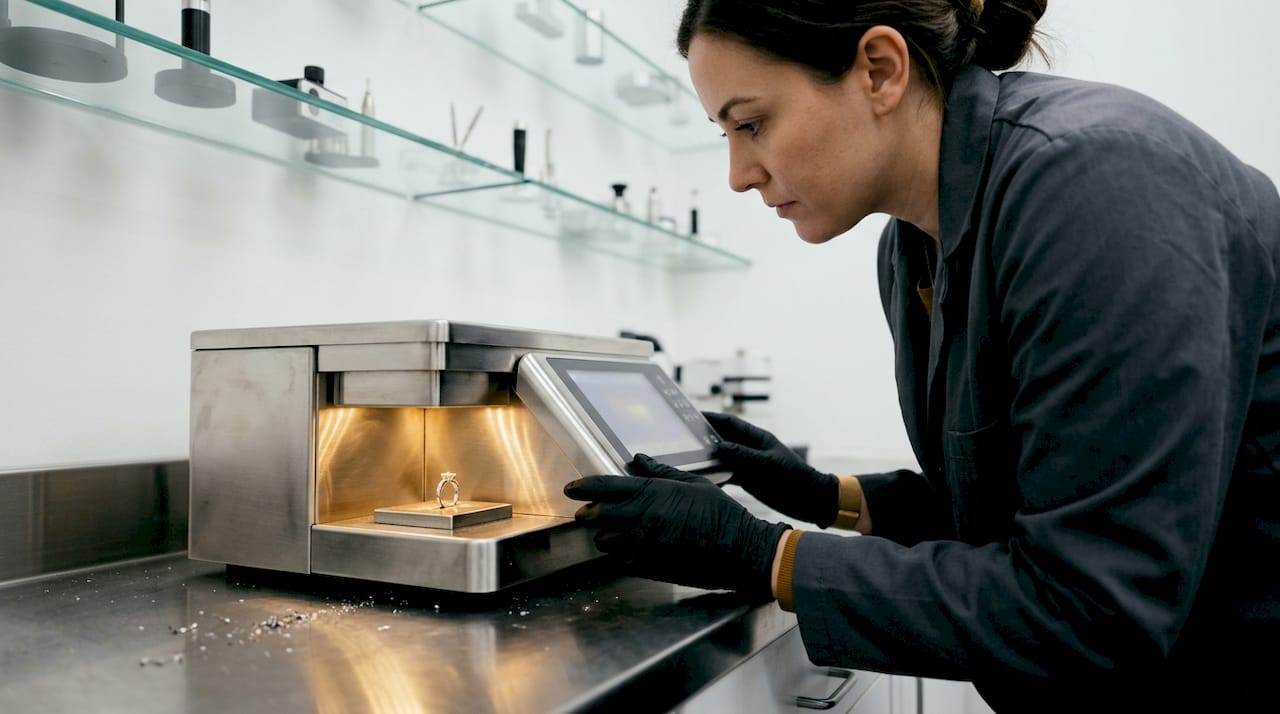
Metal purity and gemstone quality are confirmed before production begins. XRF (X-ray fluorescence) testing measures metal composition without damaging the material. Gemstones arrive with grading reports from recognized labs, and manufacturers cross-check those reports against physical samples. Gemstone grading standards cover cut, color, clarity, and carat weight, all of which affect the final piece’s value and durability.
3. Post-casting inspection
After metal is cast into shape, inspectors examine each piece for porosity, shrinkage, or deformation. Porosity refers to tiny air pockets trapped in the metal during casting. These weaken the structure and create surface pits that are visible under magnification. Any piece with casting defects at this stage is rejected or remelted before further work begins.
4. Stone setting verification
Stone setting is one of the most skill-dependent steps in jewelry production. Inspectors check that each stone sits level, that prongs are evenly spaced, and that no stone rocks or shifts when pressure is applied. Symmetry is measured visually and with calibrated tools. A stone that is even slightly off-center affects both the appearance and the long-term security of the setting.
5. Finishing and polishing standards
Finishing quality is one of the clearest indicators of authentic craftsmanship. Genuine, quality-verified pieces show smooth surfaces and flawless polish even in areas that are rarely seen, such as the inside of a ring shank or the back of a pendant. Counterfeit or low-quality pieces often reveal rough edges, uneven soldering, or visible tool marks in these hidden spots. Inspectors use 10x magnification loupes to examine finishing at this stage.
6. Final inspection and pre-shipment testing
The final check covers functional tests, hallmark accuracy, and documentation review. Clasps are opened and closed repeatedly. Chains are pull-tested. Hallmarks are confirmed against the metal composition on record.
Pro Tip: Ask any retailer for the pre-shipment inspection report before purchasing a high-value piece. A reputable manufacturer will have this document ready.
How can consumers verify jewelry authenticity at home?
80–90% of jewelry authenticity cases can be assessed with non-professional tests. That is a meaningful starting point before you spend money on a lab appraisal.
Simple tests you can do yourself
- Magnet test: Real gold and platinum are not magnetic. If a piece pulls toward a strong magnet, the base metal is likely steel or another ferrous alloy.
- Weight check: Precious metals are dense. A piece that feels unusually light for its size is worth scrutinizing further.
- Hallmark inspection: Look for stamps like 925 (92.5% silver), 585 (58.5% gold, or 14 karat), and 750 (75% gold, or 18 karat). These numbers are the primary purity indicators in home verification. Purity marks on silver follow a similar system and are explained in detail by hallmarking authorities.
- Magnification check: A 10x loupe reveals finishing quality, solder lines, and prong work. Smooth, even surfaces signal skilled craftsmanship. Rough or pitted areas signal the opposite.
Red flags to watch for
- No hallmark or a hallmark that is smudged and unreadable
- Discoloration around edges or at contact points with skin
- Stones that rock or shift when touched
- Documentation that lacks a lab name, report number, or verifiable contact information
Pro Tip: Cross-reference any gemstone certificate number directly on the issuing lab’s website. Fraudulent certificates exist, and a 30-second online check can confirm whether a report is real.
Understanding gold purity and karat standards gives you a clearer picture of what hallmark numbers actually mean for the metal you are buying.
What role do professional certifications play in confirming quality?
Professional verification goes beyond what a loupe and a magnet can tell you. For high-value pieces, independent lab certification and documented provenance are the gold standard.
Recognized lab certificates
Gemological labs like GIA (Gemological Institute of America), AGS (American Gem Society), and IGI (International Gemological Institute) issue grading reports that detail a stone’s cut, color, clarity, and carat weight. These reports are tied to specific stones through laser inscriptions and security features. High-value jewelry certificates must be independently validated by contacting the lab directly, not just by reading the paper document.
Chain-of-custody and provenance documentation
Provenance verification is as critical as material authenticity. A verifiable chain of custody with time-stamped records confirms where a stone or metal originated and how it moved through the supply chain. Gaps in provenance are red flags. They open the door to authenticity disputes and raise questions about ethical sourcing.
Advanced testing methods
| Test | What it measures | When it is used |
|---|---|---|
| XRF spectrometry | Metal composition and plating thickness | Raw material and plating verification |
| Raman spectroscopy | Gemstone identity and treatment detection | Detecting synthetic or treated stones |
| Salt spray test | Plating durability under corrosion | Finished piece durability assessment |
| Spectrometry | Trace element analysis in metals | High-value metal authentication |
A 48-hour salt spray test simulates two years of corrosion resistance. This test is the industry standard for confirming that plating will hold up under real-world wear conditions.
QA versus QC: why the difference matters
Quality Assurance builds the rules; Quality Control verifies that products follow them. QA covers process design, supplier standards, and training protocols. QC covers physical inspection at each production stage. A manufacturer that runs only QC without QA will catch defects but never eliminate their root cause. ISO 9001 certified quality management systems address both, and ISO 9001 implementation reduces manufacturing rework by 30%. That reduction translates directly into more consistent output and fewer defective pieces reaching consumers.
Pro Tip: When evaluating a jeweler, ask whether they follow ISO 9001 or Responsible Jewellery Council (RJC) standards. These are not marketing claims. They are audited certifications with documented compliance records.
How does ethical sourcing affect verified jewelry quality?
Ethical sourcing is not a separate concern from quality. It is woven into the verification process at every stage where raw materials enter the supply chain.
The Responsible Jewellery Council (RJC) sets the most widely recognized standards for ethical sourcing in the jewelry industry. RJC certification requires manufacturers to demonstrate responsible practices across human rights, labor conditions, environmental impact, and business ethics. Certification is not self-reported. It requires an independent third-party audit.
Factory audits verify compliance with both quality and ethical standards simultaneously. Auditors examine:
- Supplier certifications and traceability records for gold, platinum, and diamonds
- Labor practices and working conditions on the production floor
- Environmental controls for chemical use in plating and finishing processes
- Documentation showing that conflict-free sourcing requirements are met
Traceability of raw materials is a concrete quality marker, not just an ethical one. A manufacturer who can document where every gram of gold originated is also a manufacturer who controls their supply chain tightly enough to catch quality problems at the source. That discipline shows up in the finished product.
Consumers benefit from purchasing verified, ethically sourced jewelry in two direct ways. First, they reduce the risk of buying material that has been misrepresented or adulterated. Second, they support production standards that prioritize long-term craftsmanship over short-term cost-cutting. Choosing an ethical diamond jeweler is one of the clearest ways to align your purchase with verified quality.
Key Takeaways
Jewelry quality verification is a multi-stage process combining QA frameworks, QC inspections, professional lab certification, and ethical sourcing documentation to confirm authenticity and craftsmanship at every production step.
| Point | Details |
|---|---|
| QA and QC work together | QA sets production standards; QC inspects each piece against those standards at every stage. |
| Hallmarks are your first check | Numbers like 925, 585, and 750 confirm metal purity and are the starting point for home verification. |
| Lab certificates need direct validation | Contact the issuing lab to confirm any certificate is genuine before trusting it. |
| Ethical sourcing signals quality discipline | Manufacturers with RJC certification and traceable supply chains produce more consistent, higher-quality pieces. |
| Finishing reveals craftsmanship | Smooth surfaces in hidden areas of a piece indicate genuine quality; rough edges or tool marks do not. |
Why hallmarks alone are not enough
I have spent years looking closely at how jewelry moves from a design file to a finished piece on someone’s hand. The single biggest misconception I see is that a hallmark is a guarantee of quality. It is not. A hallmark confirms metal purity. It says nothing about the skill of the setter, the security of the prongs, the thickness of the plating, or whether the stone in the setting matches the certificate in the box.
The consumers who buy well are the ones who ask two or three questions beyond the hallmark. They ask whether the piece has a lab report tied to a specific stone inscription. They ask about the manufacturer’s QA process, not just the final inspection. They look at the finishing on the inside of the ring, not just the top.
Ethical sourcing is another quality signal that most buyers overlook entirely. A manufacturer who tracks every gram of metal through a documented chain of custody is also a manufacturer who cares about precision. That discipline does not stay in the sourcing department. It shows up in the setting, the polish, and the longevity of the piece you wear every day.
The jewelry that holds its value and its beauty over time comes from makers who treat quality as a process, not a final checkbox.
— Joseph
Usajewels: quality-verified jewelry you can trust
Usajewels has operated as a family-owned, in-house manufacturer since 1999, which means every piece goes through the same verified production process described in this article. There are no middlemen and no shortcuts. When you buy from Usajewels, you receive documentation that reflects real craftsmanship, conflict-free sourcing, and transparent pricing. The fine diamond jewelry collection covers everything from classic diamond rings to colored diamond pieces, each made with hand-selected stones and certified materials. With over 222 Google reviews and a lifetime diamond upgrade policy, Usajewels gives you the confidence that comes from knowing exactly how your jewelry was made and verified.
FAQ
What does jewelry quality verification mean?
Jewelry quality verification is the process of confirming that a piece meets defined standards for metal purity, gemstone authenticity, craftsmanship, and ethical sourcing through QA frameworks and QC inspections at every manufacturing stage.
How do I read hallmark numbers on jewelry?
Hallmark numbers indicate metal purity: 925 means 92.5% silver, 585 means 58.5% gold (14 karat), and 750 means 75% gold (18 karat). These stamps are the primary home verification tool for metal authenticity.
Are gemstone certificates always reliable?
Certificates from recognized labs like GIA, AGS, and IGI are reliable when verified directly with the issuing lab. Always check the report number on the lab’s official website, since fraudulent paper certificates do exist.
What is the difference between QA and QC in jewelry manufacturing?
Quality Assurance defines the production rules and standards; Quality Control inspects finished and in-process pieces to confirm those rules were followed. Both are required for consistent, high-quality output.
Why does ethical sourcing matter for jewelry quality?
Manufacturers with documented, traceable supply chains and RJC certification apply the same discipline to craftsmanship that they apply to sourcing. Ethical sourcing and production quality are directly connected, not separate concerns.
Recommended
- How to Spot Quality Jewelry Craftsmanship Like a Pro
- Gemstone Grading Guide: How Colored Gems Are Evaluated | USA Jewels
- Diamond Certification Guide: GIA vs AGS vs IGI Compared | USA Jewels
- Jewelry Education: Diamond & Gemstone Guides | USA Jewels

Deep Mehta is the Co-Owner of USA Jewels, a family-owned jewelry business she has led since 2013 in Deerfield Beach, Florida. With over 13 years of hands-on experience in fine jewelry retail, manufacturing, and diamond importing, Deep specializes in engagement rings, wedding bands, and custom jewelry design. She also co-manages Kaash Group Talent Acquisition. Deep is a University of Florida graduate and oversees every aspect of USA Jewels’ operations, from product development to marketing.
Frequently Asked Questions
What is porosity in cast jewelry, and why does it matter for quality?
How do manufacturers verify that gemstones in my jewelry are authentic?
Why is stone setting verification so critical to jewelry quality?
What does XRF testing tell you about the metal in my jewelry?
Why should I check the finishing quality on hidden parts of my jewelry?
Fine Jewelry Collection


You May Also Like
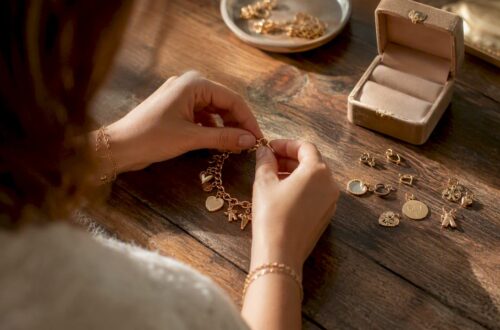
How to Build a Meaningful Charm Bracelet Step by Step
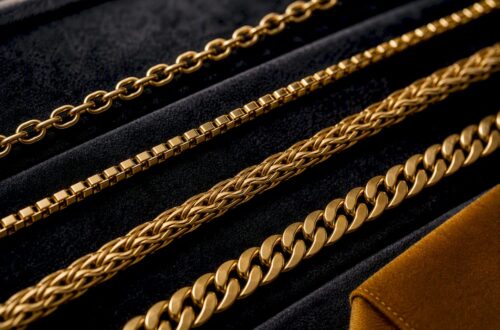
Which Gold Chain Fits You: 1.5–3mm Rules, Purity, Custom Orders