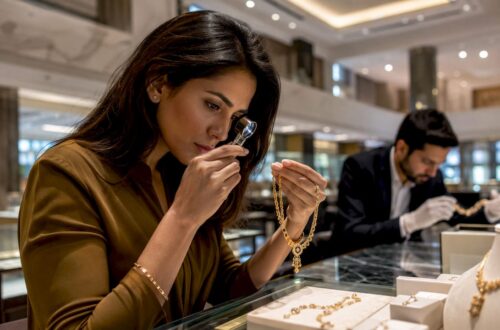
10 Engagement Ring Design Mistakes to Avoid
Engagement ring design mistakes are the leading cause of buyer regret, and most of them are entirely preventable. The most common errors involve ignoring lifestyle compatibility, prioritizing carat weight over cut quality, and choosing settings or bands that fail under daily wear. Expert jewelers at Usajewels and JAVDA consistently flag these same pitfalls in 2026. This guide walks you through the top 10 mistakes, with specific advice on what to avoid and what to choose instead.
1. What are the top engagement ring design mistakes to avoid?
The ten mistakes below cover the full range of design errors, from diamond selection to structural choices. Each one has a clear fix.
2. Ignoring your partner’s personal style
Designing a ring without input from your partner is the most common engagement ring error. You may love a bold halo setting, but your partner might prefer a clean solitaire. The result is a ring worn out of obligation rather than joy. A simple solution is to browse ring styles together, or ask a close friend or family member who knows their taste well. Usajewels offers a custom ring design process that helps couples align on style before committing to a design.

3. Setting a budget based on outdated rules
The old “three months’ salary” rule is not a financial standard. It is a marketing phrase. Your budget should reflect your actual financial situation, not an arbitrary formula. Overspending on a ring at the expense of a home, honeymoon, or savings creates real stress. Usajewels provides a clear engagement ring budget guide to help you set a number that makes sense for your life.
4. Prioritizing carat weight over cut quality
Cut quality determines brilliance more than any other factor in the Four Cs. A well-cut 0.9-carat diamond outshines a poorly cut 1.2-carat stone every time. This is what jewelers call the “Spec Trap”: buyers focus on grading numbers for clarity and color while sacrificing sparkle by neglecting cut grade. Always prioritize cut first, then allocate remaining budget to size. The Usajewels diamond buying guide explains the Four Cs with cut at the center of every recommendation.
“Cut is the one C that human hands control entirely. It is the difference between a diamond that lights up a room and one that looks dull under the same light.” — Expert jewelers at JAVDA, 2026
Pro Tip: When reviewing diamond certificates from GIA, AGS, or IGI, look for “Excellent” or “Ideal” cut grades. Anything below “Very Good” will noticeably reduce brilliance regardless of carat size.
5. Buying a diamond without proper certification
An uncertified diamond has no verified quality standard. You are taking the seller’s word on cut, clarity, color, and carat. Certification from GIA, AGS, or IGI gives you an independent, objective grade for every quality factor. Without it, you cannot compare stones fairly or confirm you received what you paid for. Review the Usajewels diamond certification guide to understand what each grading body measures and which certificate to prioritize.
6. Ruling out lab-grown diamonds without research
Lab-grown diamonds meet high certification standards and are physically identical to mined stones. Many buyers dismiss them based on outdated assumptions about quality or value. A lab-grown diamond gives you the same brilliance and durability at a lower price point, which means you can afford a better cut or larger stone within the same budget. Usajewels carries certified lab-created diamonds with full transparency on origin and grading.
7. Choosing a band that is too thin
Bands thinner than 1.8mm warp easily, leading to loose stones and structural failure over time. Social media trends push ultra-thin bands for their delicate look, but the Gemological Institute of America documents their durability problems clearly. A band between 1.8mm and 2.5mm gives you a refined look without sacrificing longevity. If you love a thin aesthetic, ask your jeweler about tapered designs that are thicker at the base where stress concentrates.
8. Selecting a setting that does not match your lifestyle
Choosing a setting that does not suit daily activity is a major source of stone loss and ring damage. A high-set solitaire on a four-prong setting looks stunning in photos but catches on gloves, fabric, and hair constantly. Healthcare workers, athletes, and artists need bezel or six-prong settings that protect the stone from all sides. The Usajewels ring settings guide matches setting types to activity levels with practical recommendations.
Pro Tip: If you work with your hands daily, a bezel setting fully encircles the stone in metal. It is the most protective option available and still looks polished and modern.
9. Choosing a trendy design over a timeless one
Trends in ring design cycle every three to five years. A ring you will wear for decades should not be built around a style that peaks on social media for one season. Geometric shapes, colored stones, and ornate gothic designs often lose appeal due to physical inconvenience and shifting taste. Classic solitaires, three-stone settings, and simple pavé bands hold their appeal across generations. Choose a design you would still love in 20 years.
10. Ignoring structural design details
Several structural errors quietly destroy rings over time. High-set prongs increase snagging risk and weaken the setting with repeated contact. Hidden halos placed too low on the shank offer no real prong reinforcement and increase snag risk at stress points. Small pavé stones are frequently replaced because they need robust structural support that many designs skip. Pointed diamond shapes like marquise and pear need protective prong tips or bezel corners to prevent chipping. Always ask your jeweler where structural reinforcement sits in the design.
| Design Element | Risk When Done Wrong | Better Approach |
|---|---|---|
| Band thickness under 1.8mm | Warping, stone loss | Use 1.8mm–2.5mm minimum |
| High-set four-prong | Snagging, prong bending | Switch to six-prong or bezel |
| Halo placed too low | No prong support | Position halo at stress points |
| Pavé without support | Frequent stone loss | Add structural backing |
| Pointed shapes unprotected | Chipping at tips | Use V-tip or bezel prongs |
11. Not verifying ring size before purchase
Ring size errors require costly alterations, and not every ring can be resized after purchase. Rings with full pavé bands, tension settings, or eternity designs often cannot be altered at all. Guessing a size and being wrong by even half a size creates a ring that spins, slips, or cannot be worn. Get a professional sizing done at a jeweler, or use a ring sizer kit at home with the correct finger at the right time of day. Fingers swell slightly in the evening, so size then for the most accurate fit.
How lifestyle and daily activities influence ring design
Active lifestyles demand specific design choices. A ring built for aesthetics alone will not survive daily physical demands.
- Healthcare workers and surgeons need low-profile settings that do not catch on gloves or puncture them. Bezel settings and flush-set stones are the standard recommendation.
- Athletes and fitness professionals benefit from platinum or 14-karat gold bands, which resist deformation better than 10-karat gold under repeated impact.
- Artists and craftspeople who work with clay, paint, or tools should avoid pavé detailing entirely. Textured materials fill the gaps between stones and accelerate wear.
- Office professionals have more flexibility but should still avoid ultra-high settings that catch on keyboard edges and fabric.
The metal you choose matters as much as the setting. Platinum is the most durable option for active wearers. It is denser than gold and does not lose metal volume when scratched. White gold is a strong second choice but requires rhodium replating every one to two years to maintain its finish.
Pro Tip: Ask your jeweler for a “comfort fit” band profile. The interior is slightly rounded, which reduces pressure on the finger during physical activity and makes the ring noticeably more comfortable over long wear.
Why cut matters more than carat, clarity, or color
Cut quality is the single factor that controls how much light a diamond returns to your eye. A diamond with an Excellent cut grade reflects light back through the top of the stone in a pattern called brilliance. A poorly cut diamond leaks light through the sides and bottom, producing a dull, lifeless appearance regardless of its clarity or color grade.
The Four Cs are cut, color, clarity, and carat. Of these, cut is the only one determined entirely by the craftsman. Color and clarity are natural characteristics of the rough stone. Carat is simply weight. Cut is skill, and it is where your budget has the most visible impact.
Certification from GIA or AGS verifies cut grade independently. An Excellent or Ideal cut grade on a GIA certificate means the stone has been measured and confirmed to meet strict light-performance standards. Always verify cut grade on certification before any other quality factor.
Common misconceptions that lead to costly shopping mistakes
Several widespread beliefs about engagement ring shopping lead buyers directly into avoidable problems.
- “I can decide quickly.” Last-minute ring shopping limits options and forces compromises on design and quality. Custom rings require weeks of production time. Start the process at least two to three months before the proposal date.
- “Photos are enough.” Online photos do not capture diamond brilliance, craftsmanship detail, or true color. A stone that looks stunning in a studio photo can appear flat in person. Always view stones in person or request video under multiple lighting conditions.
- “All certifications are equal.” GIA and AGS are the most rigorous grading labs. Some retailers use in-house or lesser-known lab certificates that apply looser standards, which inflates apparent quality grades.
- “Gold is gold.” The karat of gold changes its hardness, color, and maintenance needs significantly. 18-karat gold is softer and richer in color. 14-karat gold is harder and more practical for daily wear. The difference matters for longevity.
- “Lab-grown means lower quality.” Modern lab-grown diamonds are graded by the same standards as mined stones. The only difference is origin.
Key takeaways
Avoiding engagement ring design mistakes requires prioritizing cut quality, matching your setting to your lifestyle, and building structural durability into every design decision.
| Point | Details |
|---|---|
| Cut beats carat every time | Prioritize Excellent or Ideal cut grade before size or clarity for maximum brilliance. |
| Band thickness matters | Choose a minimum of 1.8mm band width to prevent warping and stone loss over time. |
| Match setting to lifestyle | Active wearers need bezel or six-prong settings to protect stones from daily damage. |
| Verify size professionally | Never guess ring size. Incorrect sizing often cannot be corrected after purchase. |
| Start early, not late | Begin the custom design process at least two to three months before your proposal date. |
What I have learned after years of watching couples design rings
The mistake I see most often is not about diamonds or settings. It is about timing. Couples arrive excited but rushed, and that pressure forces them into choices they would not make with more time. A ring designed in two weeks almost always has at least one compromise the buyer later regrets.
The second pattern I notice is the gap between what looks good in photos and what works in real life. A ring with a dramatic high-set stone and ultra-thin band photographs beautifully. But after six months of daily wear, the prongs are bent, the band has warped slightly, and the stone catches on everything. Beauty and durability are not opposites. You can have both, but only if you plan for both from the start.
My honest advice: spend the first conversation with your jeweler talking about your partner’s daily life, not their style preferences. Style is easy to adjust. A ring that does not fit someone’s lifestyle is a problem that no amount of beauty can fix. The couples who are happiest with their rings are the ones who asked the practical questions first and the aesthetic questions second.
— Joseph
Design your custom ring with confidence at Usajewels
Usajewels has helped couples create custom engagement rings since 1999, with a family-owned, in-house manufacturing model that removes the middleman and keeps quality high. Every ring is built with certified diamonds, conflict-free sourcing, and your choice of metal and setting.
Whether you are starting from scratch or refining an idea, the team at Usajewels walks you through every decision, from diamond shape selection to band width and setting type. Explore the full fine diamond jewelry collection to see what is possible, or reach out directly to start a custom design with expert guidance behind every step.
FAQ
What is the most common engagement ring design mistake?
Prioritizing carat weight over cut quality is the most common error. A well-cut smaller diamond produces more brilliance than a larger stone with a poor cut grade.
How thin is too thin for an engagement ring band?
Bands under 1.8mm are prone to warping and stone loss under daily wear. A width of 1.8mm to 2.5mm balances a refined look with structural durability.
Can all engagement rings be resized after purchase?
Not all rings can be resized. Rings with full pavé bands, tension settings, or eternity designs often cannot be altered, making accurate sizing before purchase critical.
Are lab-grown diamonds a good choice for engagement rings?
Yes. Lab-grown diamonds meet the same certification standards as mined stones and offer the same physical properties at a lower price, giving buyers more flexibility on cut and size.
How early should I start designing a custom engagement ring?
Start at least two to three months before your proposal date. Custom rings require production time, and rushing the process limits your design options and quality choices.
Recommended
- Ring Guide: Engagement Settings & Styles | USA Jewels
- Custom Engagement Ring Design Process: A Couples’ Guide
- How to Personalize Engraving on an Engagement Ring
- Design a Custom Wedding Ring Set That’s Truly Yours

Deep Mehta is the Co-Owner of USA Jewels, a family-owned jewelry business she has led since 2013 in Deerfield Beach, Florida. With over 13 years of hands-on experience in fine jewelry retail, manufacturing, and diamond importing, Deep specializes in engagement rings, wedding bands, and custom jewelry design. She also co-manages Kaash Group Talent Acquisition. Deep is a University of Florida graduate and oversees every aspect of USA Jewels’ operations, from product development to marketing.
Frequently Asked Questions
Why is diamond cut quality more important than carat weight?
How do I know if my engagement ring setting will hold up to daily wear?
What does a diamond certification from GIA, AGS, or IGI actually guarantee?
Should I follow the three months' salary rule for my engagement ring budget?
What's the best way to choose an engagement ring design when my partner and I have different style preferences?
Fine Jewelry Collection


You May Also Like

Custom Signet Ring Styles: Your Complete Design Guide
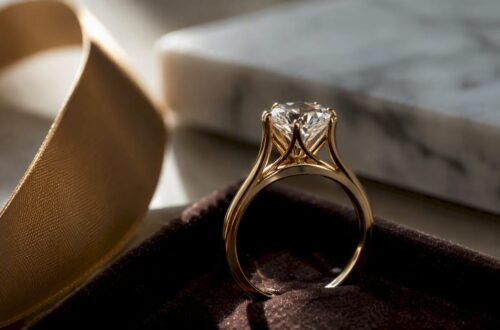
Cathedral Ring Setting: What It Is and How to Choose One