Engagement Ring Timeline Planning Steps: 2026 Guide
An engagement ring timeline planning process is the structured sequence of steps and timing you follow to select, customize, and secure a ring before your proposal date. Most couples underestimate how much lead time a quality ring requires. Starting at least 3–4 months before your proposal gives you room to budget carefully, research styles, compare jewelers, and handle resizing without stress. For fully custom rings, six months is the safer target. This guide walks you through every phase of the process, from setting your budget to the moment you get down on one knee.
What are the key engagement ring timeline planning steps?
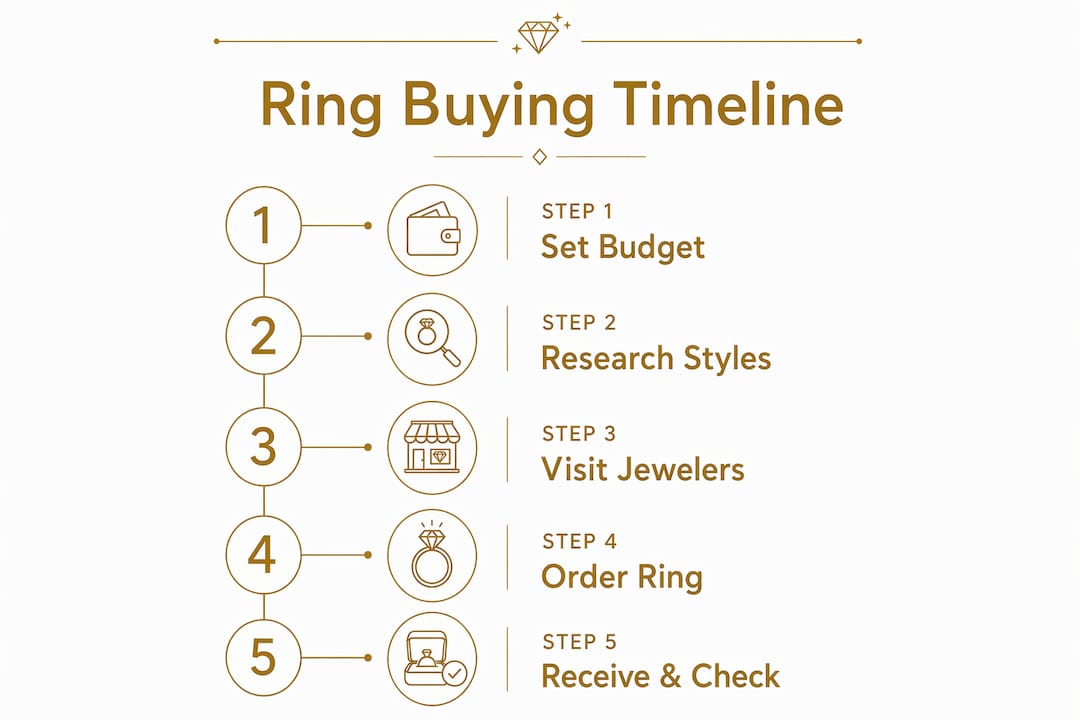
The engagement ring timeline planning process breaks into four phases: budget and research, shopping and ordering, post-receipt verification, and proposal preparation. Each phase has a clear deadline. Miss one, and the next phase compresses. The most common mistake couples make is treating ring shopping as a single event rather than a multi-week process with real deadlines.
The four phases work like this:
- Budget and style research (months 4–3 before proposal)
- Jeweler visits and ordering (months 3–2 before proposal)
- Receipt, verification, and resizing (weeks 3–2 before proposal)
- Proposal day logistics (week 1 before proposal)
Each phase feeds directly into the next. Skipping or rushing any one of them creates pressure that shows up in the final result, whether that’s a ring that doesn’t fit, a stone without proper certification, or a proposal venue that isn’t confirmed.
How to set your budget and research styles before ring shopping
Set a firm budget before you browse a single ring. Browsing without a number in mind leads to decision fatigue and overspending. A practical budget allocation framework is 70% for the center stone, 20% for the setting, and 10% for extras like engraving or resizing. That split keeps your money where it shows most.
Most US buyers spend between $3,000 and $8,000 on an engagement ring in 2026. Lab-grown diamonds offer higher carat weight and better color grades at a lower price point, which makes them worth considering if budget is a priority. The right choice depends on your values and what matters most to your partner.
Once your budget is set, research ring styles. The main categories are:
- Solitaire: One center stone, clean and timeless
- Halo: A center stone surrounded by smaller diamonds for added sparkle
- Pavé: Small diamonds set along the band for continuous shimmer
- Three-stone: A center stone flanked by two side stones, often symbolic
Metal type matters too. White gold and platinum are the most popular choices for diamond rings. Yellow gold has made a strong comeback for vintage-inspired designs. Rose gold suits warm skin tones well. Each metal has different durability and maintenance needs, so factor that into your decision. The ring styles and settings guide at Usajewels breaks down the differences clearly.
Understanding the 4Cs (cut, color, clarity, and carat) is non-negotiable. Cut quality has the biggest impact on how a diamond looks in person. A well-cut stone in a lower color grade will outshine a poorly cut stone with perfect color every time.
Pro Tip: Borrow a ring your partner already wears on their left ring finger and trace it on paper, or take it to a jeweler for sizing. Getting the size right from the start saves you the stress of emergency resizing later.
Step-by-step timeline for buying your engagement ring
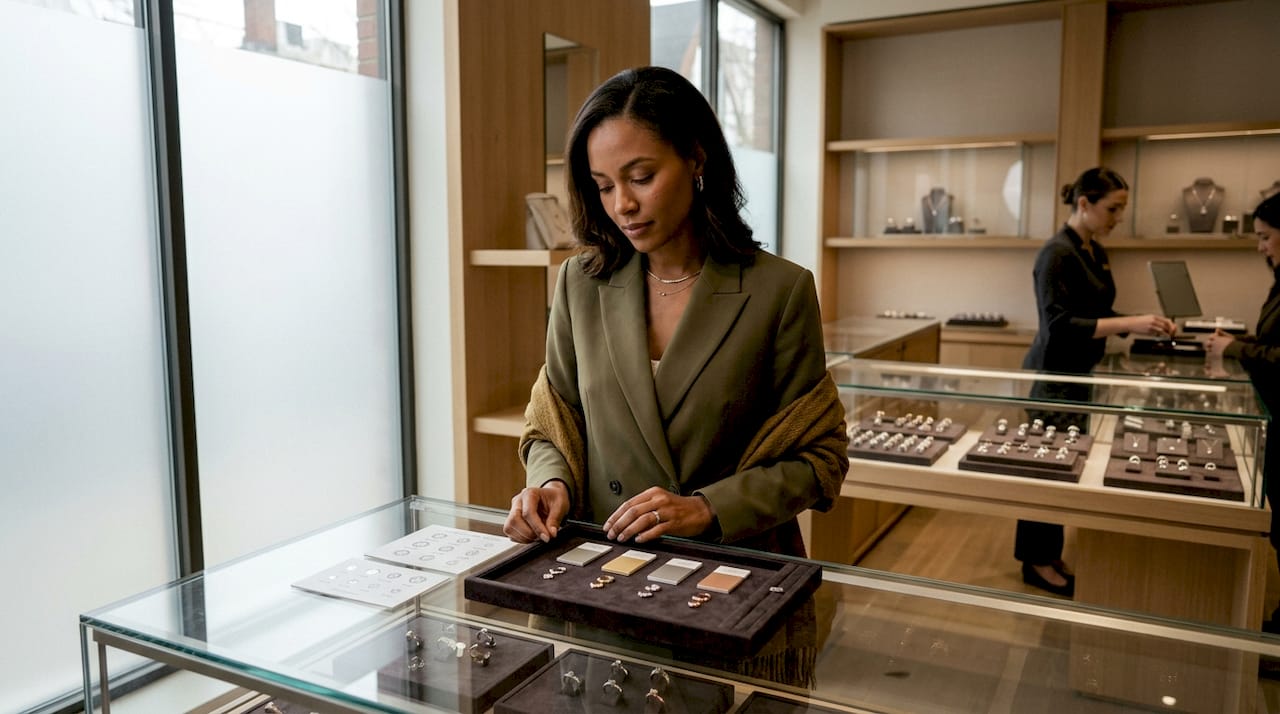
Start visiting jewelers about 3–4 months before your proposal date. That window gives you time to compare options without pressure. Visit at least three vendors before committing. Comparing three or more vendors can save 20–40% on stones with identical specifications. That is a significant difference on a $5,000 purchase.
The type of ring you choose determines your lead time. Here is how the three main options compare:
| Ring type | Typical lead time | Price range | Best for |
|---|---|---|---|
| Ready-made | 1–2 weeks | Lower | Tight timelines, standard sizes |
| Semi-custom | 3–5 weeks | Mid-range | Personal touches on existing designs |
| Fully custom | 6–12 weeks | Higher | Unique designs, specific requirements |
Most rings take 4–6 weeks to craft. Complex custom designs can require 8 weeks or more. That timeline does not include shipping or resizing. Plan accordingly. The custom ring design process at Usajewels walks you through what to expect at each stage.
Here is a month-by-month breakdown for a 4-month timeline:
- Month 4: Set budget, research styles, gather inspiration from social media and your partner’s existing jewelry
- Month 3: Visit jewelers, compare stones and settings, ask about certification and warranties
- Month 2: Place your order, confirm lead time in writing, pay deposit
- Month 1: Receive the ring, verify certification, arrange resizing if needed
- Week 1: Confirm proposal logistics, store the ring securely, finalize your plan
Pro Tip: Ask your jeweler to confirm the expected delivery date in writing when you place your order. Verbal estimates are not binding. A written confirmation protects you if production runs long.
What to check after you receive your engagement ring
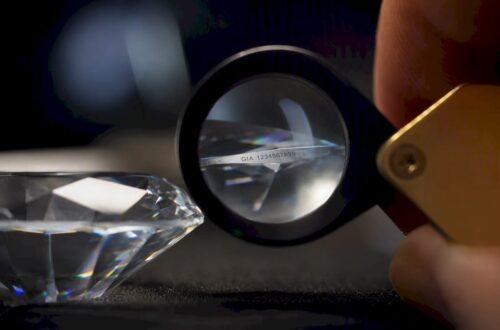
Receiving the ring is not the finish line. Verification is the first thing you do when the box arrives. Check the diamond’s grading certificate number against the stone physically and verify it online using the GIA or IGI free lookup tools. This step confirms you received the exact stone you paid for.
Diamond certification from GIA, AGS, or IGI is the standard for quality assurance. A stone without a certificate from one of these bodies carries real financial risk. The GIA certification guide at Usajewels explains exactly what each grade means and how to read a report.
Your post-receipt checklist:
- Inspect the stone: Look for chips, cloudiness, or inclusions not listed in the certificate
- Check the setting: Prongs should be even, secure, and free of sharp edges
- Verify engraving: If you ordered custom engraving, confirm spelling and placement
- Review return policy: Know your window before the ring leaves your hands
- Confirm warranty: A good jeweler warranty covers prong tightening, cleaning, and resizing services
- Insure the ring: Contact your homeowner’s or renter’s insurance provider immediately
Resizing typically takes 1–2 weeks. Build that into your timeline by ordering at least two weeks before your proposal date. If the size is off, resizing is a normal part of the process, not a failure.
Pro Tip: If you are not sure of the size, go slightly larger. Sizing down is easier and less expensive than sizing up for most ring styles.
How to plan proposal day logistics alongside your ring timeline
Proposal logistics deserve the same attention as the ring itself. A beautiful ring presented in a chaotic moment loses some of its impact. Confirm venue permits, reservations, and logistics at least one week before your proposal date. Last-minute venue changes create unnecessary stress.
Your proposal day checklist:
- Venue: Book the location and confirm any permits or reservations in writing
- Ring storage: Keep the ring in a secure, temperature-stable location until the moment arrives
- What to say: Write a short outline of your speech. You do not need to memorize it word for word, but having a structure prevents blanking under pressure
- Photography: If you want the moment captured, hire a photographer or arrange for a trusted friend to be nearby discreetly
- Post-proposal plan: Book a dinner reservation or celebration activity in advance
- Backup plan: If the ring size is off, have a plan ready. Frame it as “we’ll get it perfectly fitted together” to keep the moment positive
Timing matters. Align your proposal date with the ring’s confirmed delivery date, not your hoped-for delivery date. Give yourself a buffer of at least five days between receiving the ring and proposing. That buffer covers resizing, any last-minute adjustments, and your own peace of mind.
Key Takeaways
A successful engagement ring purchase requires starting at least 3–4 months before your proposal, following a phased timeline, and verifying certification and fit before the proposal day.
| Point | Details |
|---|---|
| Start early | Begin the process 3–4 months out; fully custom rings need 6 months minimum. |
| Budget with a framework | Allocate 70% to the center stone, 20% to the setting, and 10% to extras. |
| Compare vendors | Visiting at least three jewelers can save 20–40% on identical stone specs. |
| Verify certification | Always confirm GIA, AGS, or IGI certification before accepting the ring. |
| Build in resizing time | Order at least two weeks before your proposal to allow for resizing if needed. |
What I’ve learned from watching couples rush this process
I’ve seen the same pattern repeat itself more times than I can count. A couple gets excited, sets a proposal date, and then realizes three weeks out that a custom ring takes 8–12 weeks to make. The panic that follows is completely avoidable.
The couples who get this right share one habit: they treat the ring purchase like a project with real milestones, not a shopping trip. They set a budget before they fall in love with a ring they cannot afford. They visit multiple jewelers before committing. They ask hard questions about certification and warranties. And they build in buffer time for resizing and shipping.
The couples who struggle tend to skip the research phase and go straight to buying. They find a ring they love, order it, and then discover the stone is not certified or the setting needs adjustment. Buyer’s remorse in this category is almost always the result of a rushed decision, not a bad ring.
My honest advice: use a structured buying guide from the start. Do not rely on memory or general impressions when comparing stones. Write down the 4Cs, the price, and the certification details for every stone you consider. That record makes the final decision much easier and gives you confidence that you chose well.
The process should feel meaningful, not stressful. Starting early is the single biggest factor that determines which experience you have.
— Joseph
Usajewels is ready to support your ring timeline
Planning your engagement ring purchase is one of the most personal decisions you will make. Usajewels has been helping couples do it well since 1999, with in-house manufacturing, conflict-free certified diamonds, and direct pricing that removes the middleman markup.
Whether you want a classic solitaire or a fully custom design, the team at Usajewels guides you through every step, from choosing your diamond grade and metal type to confirming certification and fit. With over 222 five-star Google reviews and a lifetime diamond upgrade policy, Usajewels stands behind every ring they make. Browse the fine diamond jewelry collection to find your starting point, or reach out directly for personalized guidance from a trusted family jeweler.
FAQ
How early should I start planning an engagement ring purchase?
Start at least 3–4 months before your proposal date. Fully custom rings require 6 months to avoid rush fees and production delays.
What is the best way to allocate an engagement ring budget?
Put 70% toward the center stone, 20% toward the setting, and 10% toward extras like engraving or resizing. This framework keeps spending focused on what is most visible.
Which diamond certifications should I look for?
GIA, AGS, and IGI are the three recognized certification bodies. Always verify the certificate number against the stone using the issuing lab’s free online lookup tool before accepting delivery.
How long does ring resizing take?
Resizing typically takes 1–2 weeks. Order your ring at least two weeks before your proposal date to leave room for adjustments without rushing.
Does comparing multiple jewelers actually save money?
Comparing at least three vendors can save 20–40% on stones with identical specifications. The savings come from price competition, not quality differences, so always verify certification regardless of where you buy.
Recommended
- Custom Engagement Ring Design Process: A Couples’ Guide
- Vintage Engagement Ring Styles: Your 2026 Era Guide
- Design Your Own Engagement Ring: Step-by-Step Guide | USA Jewels
- Engagement Ring Buying Guide: How to Choose the Perfect Ring | USA Jewels

Deep Mehta is the Co-Owner of USA Jewels, a family-owned jewelry business she has led since 2013 in Deerfield Beach, Florida. With over 13 years of hands-on experience in fine jewelry retail, manufacturing, and diamond importing, Deep specializes in engagement rings, wedding bands, and custom jewelry design. She also co-manages Kaash Group Talent Acquisition. Deep is a University of Florida graduate and oversees every aspect of USA Jewels’ operations, from product development to marketing.
Frequently Asked Questions
Why do I need 3-4 months minimum to plan an engagement ring if I'm buying off-the-shelf?
Should I spend my entire engagement ring budget on the diamond or split it between stone and setting?
How does choosing a lab-grown diamond affect my engagement ring timeline and budget?
What's the difference between white gold, platinum, and rose gold for engagement rings in terms of durability and maintenance?
If my proposal is only 6 weeks away, what type of engagement ring can I realistically order?
Fine Jewelry Collection


You May Also Like
Mother’s Ring Design: What It Means and How to Choose
How Diamond Simulants Compare to Real Diamonds